travel
Most of this happened on rails or on bad roads: night trains, a Lada Niva with opinions, one biplane older than my parents. I go where the files were written, because a corridor has a temperature and paper does not. The pattern never changes. I leave for an archive and come back with people.
175 entries, newest first.
2026
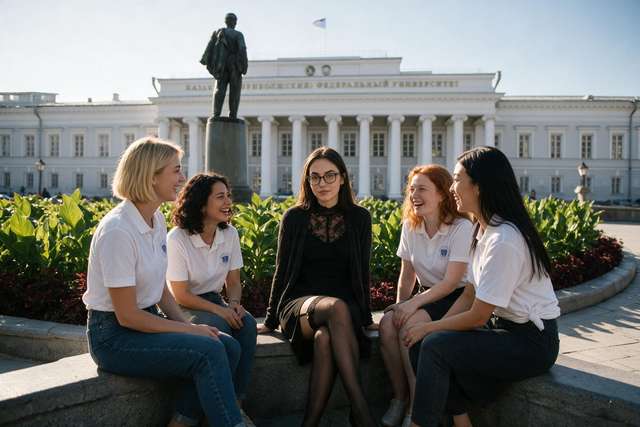
The credits screen
· Three names sit at line 1366 of a Soviet teaching game, behind a door almost nobody opens. I went to Kazan to stand in front of the building where they worked.

Riga Facades
· Art Nouveau faces, a market under old hangars, and the long pale light of the Baltic that makes everything look unfinished and possible.
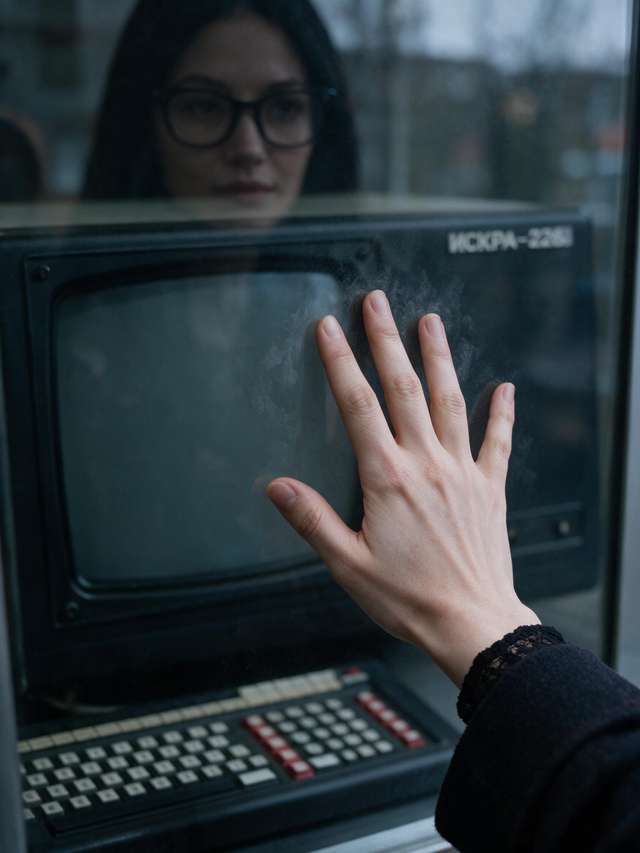
Behind the glass
· An afternoon in Riga between the facades and the reading: a display case, an Iskra-226 reported there in 2016, and nobody in the house who can say whether it ever had power.
Notebook on the Long Train
· Writing in transit across a long rail stretch: the texture of research notes taken half on purpose, half because standing still had become impossible.
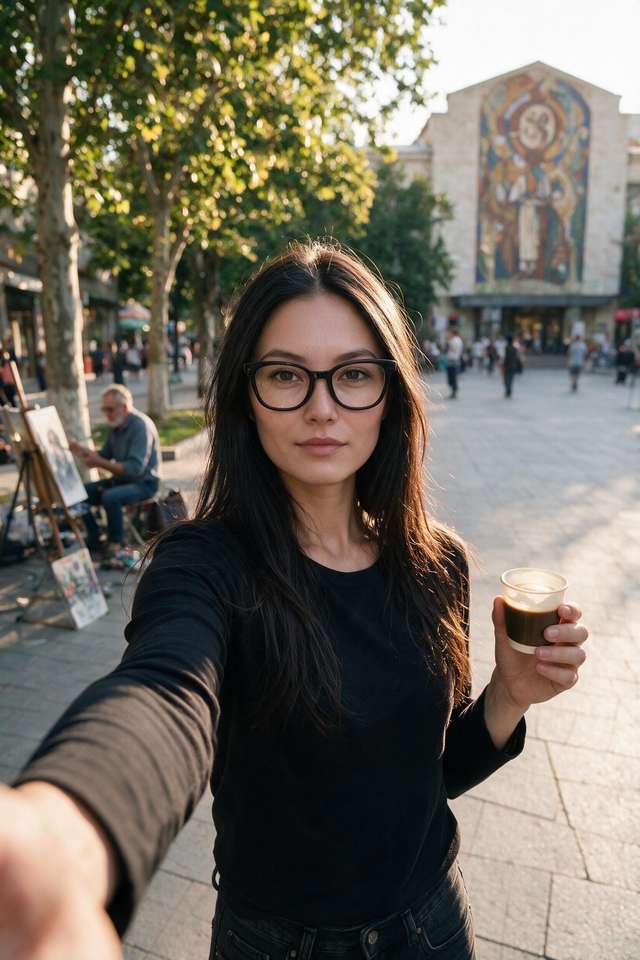
Almaty cafe corner
· Working through Kazakh-archive threads on Soviet computing history in an Almaty cafe, with mountain light on the table.
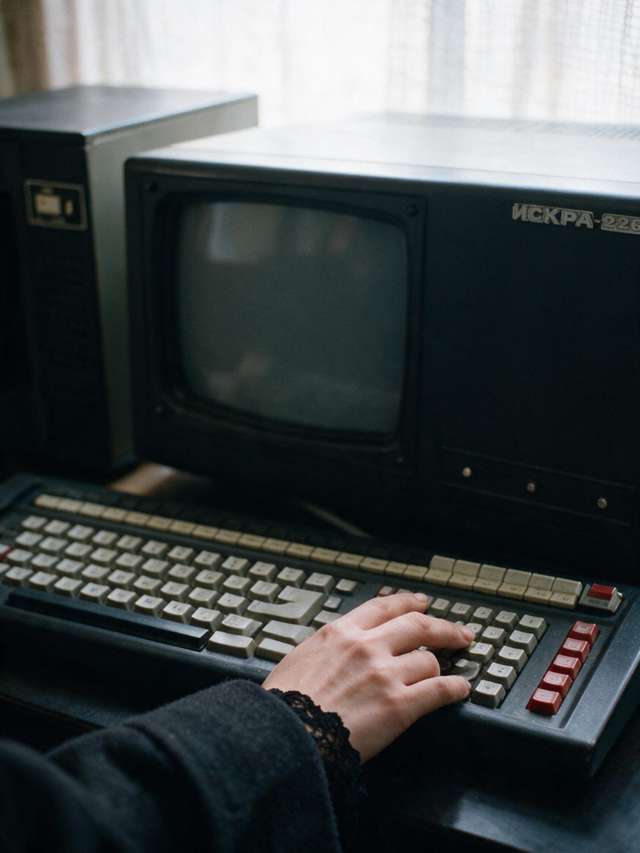
Standing at the machine
· A private flat in Almaty, four hours of road from my kitchen: a complete Iskra-226 with two drives and a plotter, and a screen that has not held a picture in years.

Three and a half million
· The same gate, one floor of books, and a free form that answers strangers in two or three working days: the least glamorous door into Soviet computing.

Gate seven, then the depot
· The Polytechnic's collection now lives in an industrial park behind two checkpoints: a booked tour, a named pass, and machines that nobody switches on.
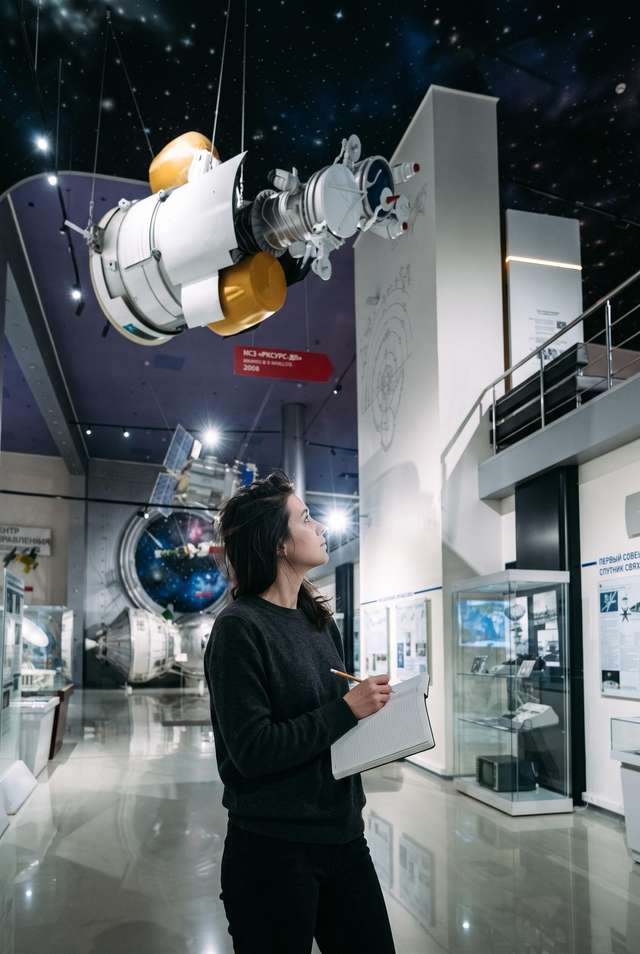
Cosmonautics museum pages
· A research day at Moscow’s Museum of Cosmonautics: spacecraft models, borrowed light, and notes that feed the work sideways.

No Bars at Song-Kul
· A yurt weekend with Dinara: horses, thin air, an enormous sky, and the deliberate pleasure of a phone that cannot find the network.
The room never emptied
· I went early, before the school groups, and I had it in my bag the whole morning. This is the part of that day I did not publish.

Podil, Without a Notebook
· An evening of ordinary cafes and wet streets, and the relief of being only a visitor for a few hours.
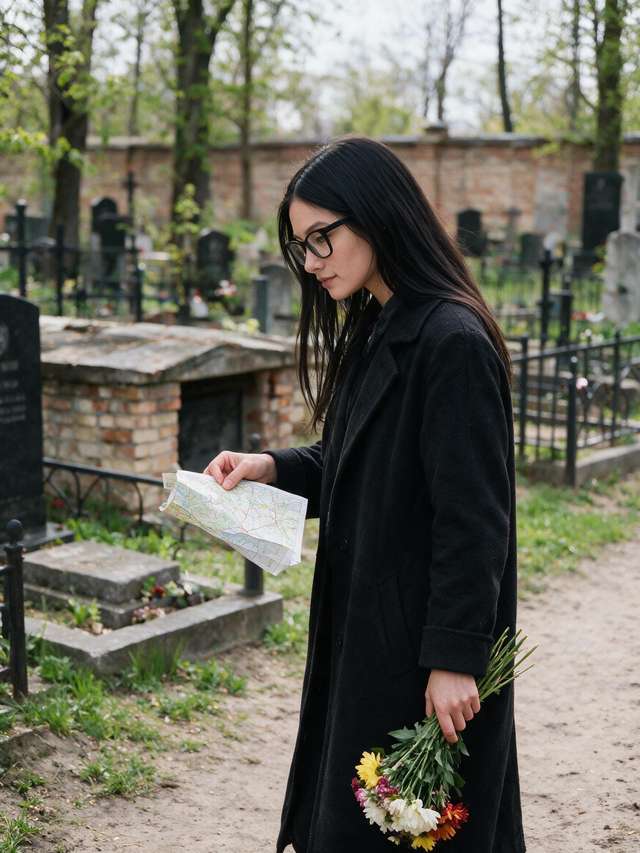
Section unknown
· Hlushkov has a grave with a named sculptor and a named architect. The three women I came to ask about have nothing anybody at the gate could point to.

The plaque at Feofaniya
· A park from opening to closing, a wall beside a convent, and one name on a plaque where three people built the first machine.

Night train to Kyiv
· Arriving by rail via Warsaw for Ternary Dreams research: Feofaniya's quiet, metro air alerts, and respect that refuses to turn a living city into backdrop.

Glass and spring light in Leipzig
· Notes from the book fair: the great glass hall, a panel, readers who linger, and tram rides washed in early spring.

As close to Sukhumi as the rails allow
· Two weeks in a Tbilisi courtyard, sulphur steam, and a slow Black Sea train that stops where the timetable and the border both freeze.

Chorsu and the cosmonaut metro
· A brief winter escape to Tashkent: Chorsu bazaar, a cosmonaut-themed metro station, plov, and actual rest instead of research.

The mine that started it
· Thirty kilometres southwest of Osh, an exhausted radium mine with its adits open, spoil heaps that still read hot, and the beginning of the entire chain.
2025
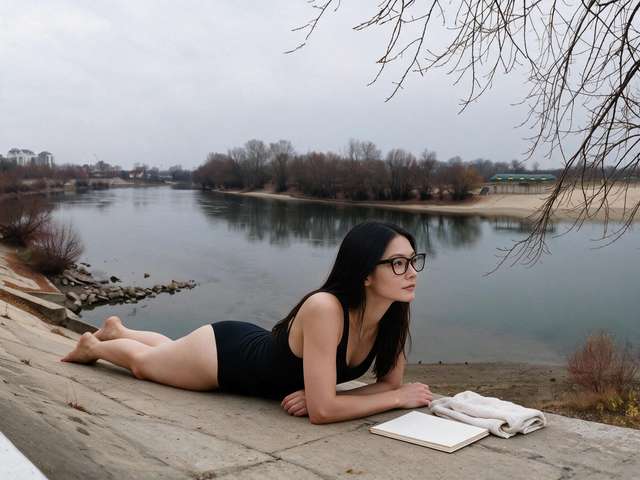
The Dniester, Slow
· The river that carries the border: low water, bare willows, and leaving a country that never quite began.

The Parliament After Dark
· The Supreme Soviet at night: floodlights, symmetry, and a state performing statehood to an empty street.
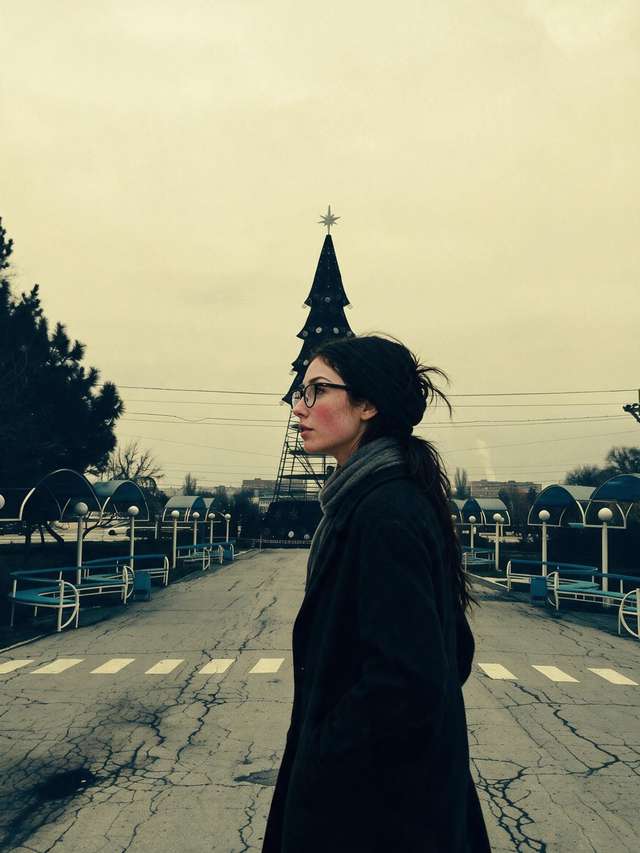
A Tree of Steel
· The municipal Christmas tree as bare armature on the empty square, three weeks before its annual resurrection.

Suvorov Against the Sky
· The city's founder rearing in bronze on his hill, empire's cavalry frozen against a white November evening.
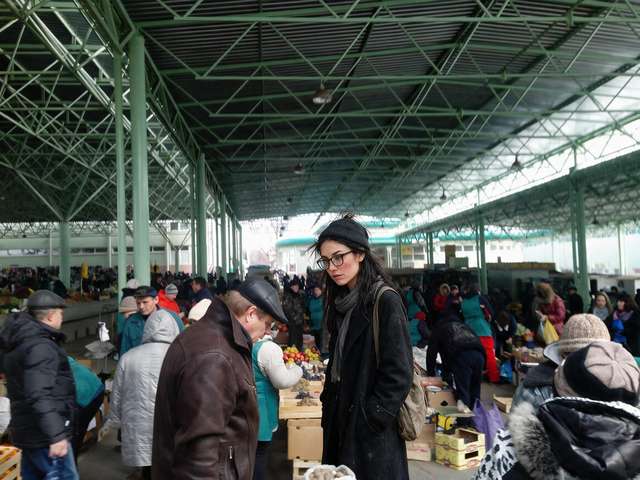
The Market Hall
· The covered market: pyramids of pickles, November apples, and commerce warmer than any ideology on offer outside.
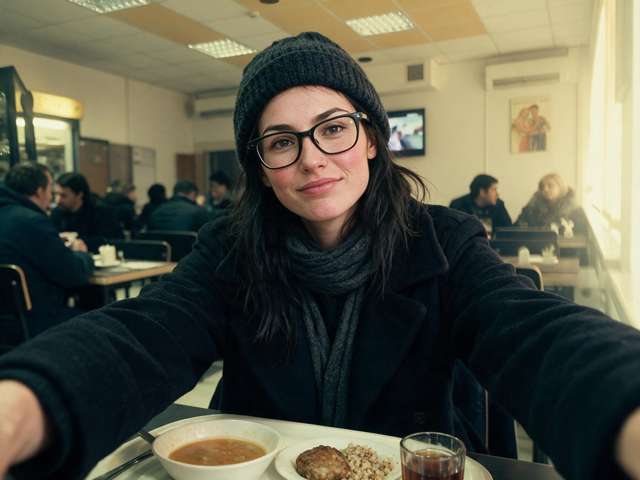
Lunch at the Stolovaya
· Tray, rails, borshch, kompot: the Soviet canteen in unbroken operation, and the best three-dollar meal in Europe.

The T-34 on the Plinth
· The tank as civic furniture: a veteran of 1944 aimed at the November sky, and the skepticism it patiently ignores.
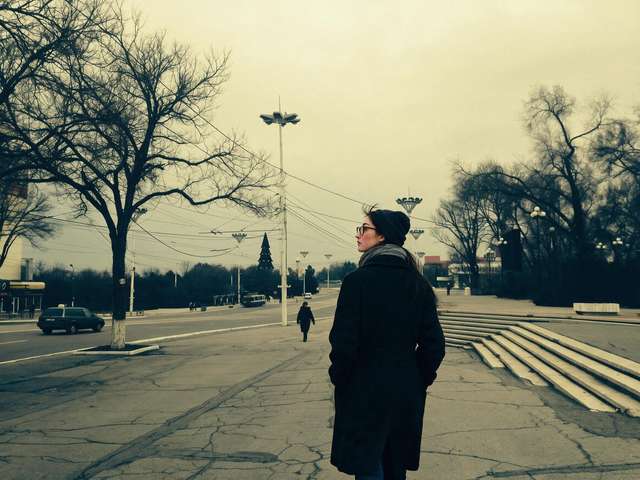
An Avenue Sized for Parades
· October 25th Street on a weekday: eight lanes of intention, flowerbeds at attention, and one pedestrian using all of it.

Lenin, Still Standing
· The granite coat before the Supreme Soviet: the statue every other city removed, still supervising his square.
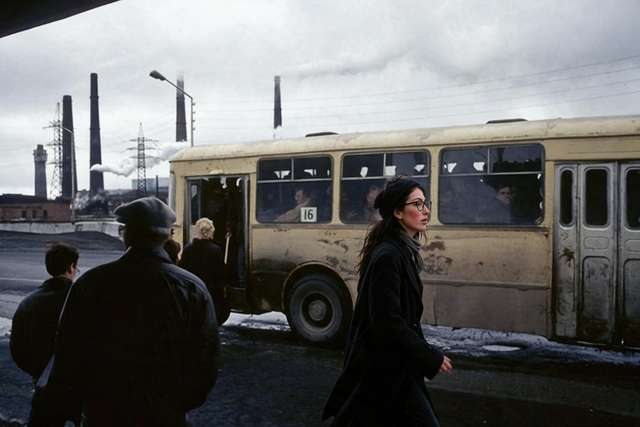
Smokestacks and a Trolleybus
· Across the Dniester into a country that officially does not exist: first frame, industry and a battered trolleybus.
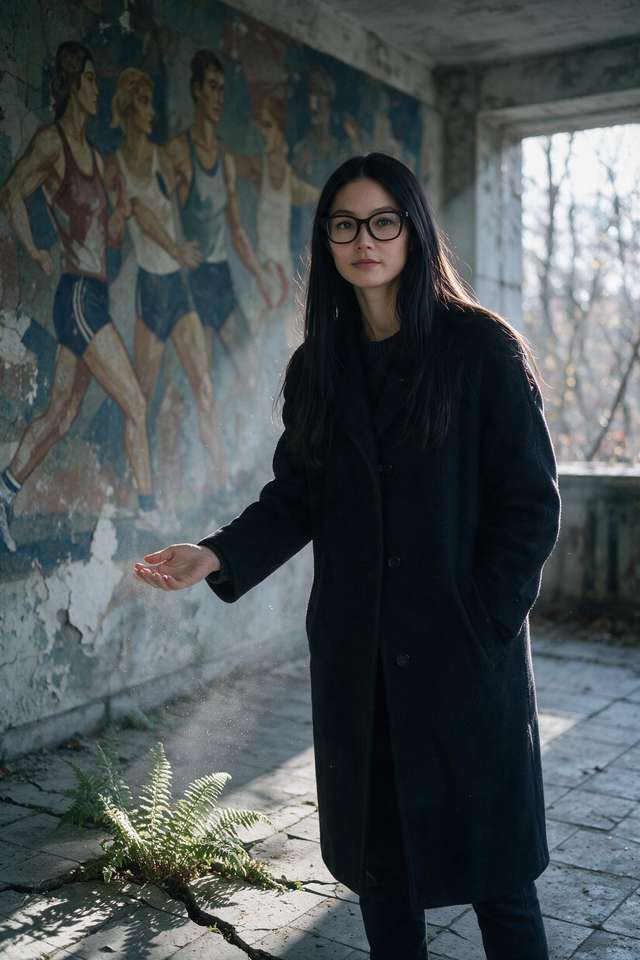
An abandoned sanatorium in Moldova
· Cold rain in Chisinau, old hospital papers, wine cellars, and the central market: returning to the landscape of Ivanov's Ghost to deepen the companion archive, not to begin again.

Berlin after the fair
· Decompressing in Prenzlauer Berg: friends, a heavy afternoon at the Stasi museum, a small reading, and long nights of talk.

Frankfurt halls
· Notes from the Book Fair: publisher meetings, a signing hour, sore feet, evening receptions, and imposter feelings handled dryly.

Registan at Dusk
· Three unresearched days added to the end of an archive trip, purely because the flight connections made it nearly free.

The dissertations are all here
· Day two in Almaty and a different building: the academy's complete run of dissertations, a school of remainders, and two names that belong in my book.

Almaty again
· Back in the Kazakh archives on a loose thread left from Ternary Dreams, without knowing yet whether it wants to become anything.

Issyk-Kul with no laptop
· A deliberate blank weekend at the lake with Aigerim: swimming, apricots, guesthouse naps, and why the work needs the absence of work.
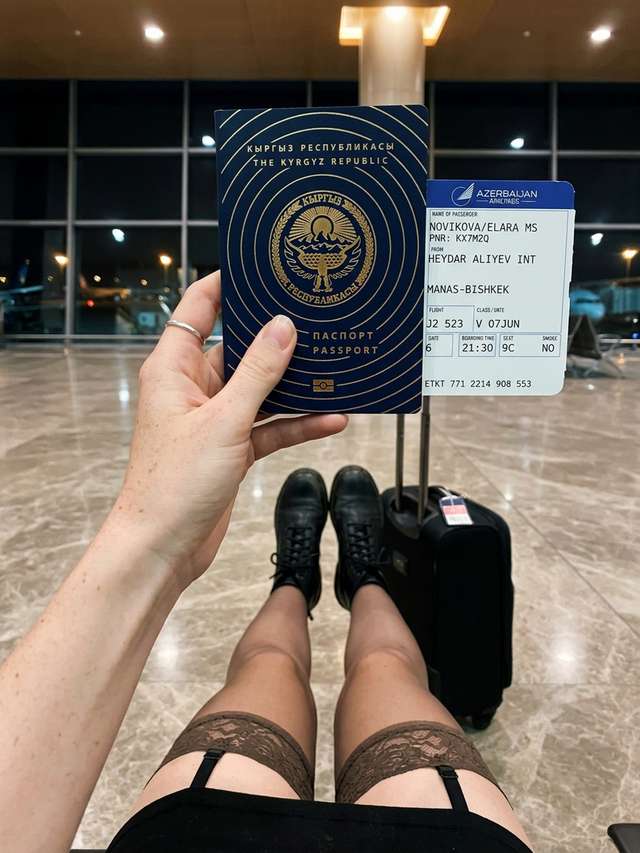
Gate Six
· Two weeks later: the borrowed Niva handed back washed, the same form printed in the other direction, and a night that belongs to the airline.

The museum that is not there
· A last morning in Baku spent looking for a collection of radio equipment that does not appear to exist, and an afternoon of coins in an oil merchant's palace instead.

The Roof at the Pass
· Last day in the Caucasus: shepherds' picnic, a saddled horse, dogs off duty, and one red roof used as a sun deck.
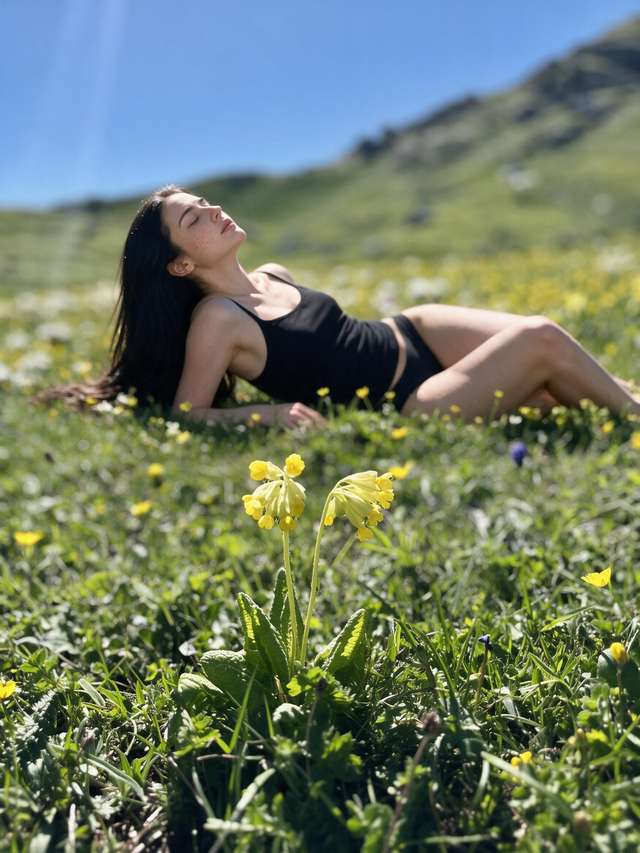
Primroses, Mostly
· A flowering slope after the passes: one hour flat in the meadow with the season, dressed for the occasion, which required little.
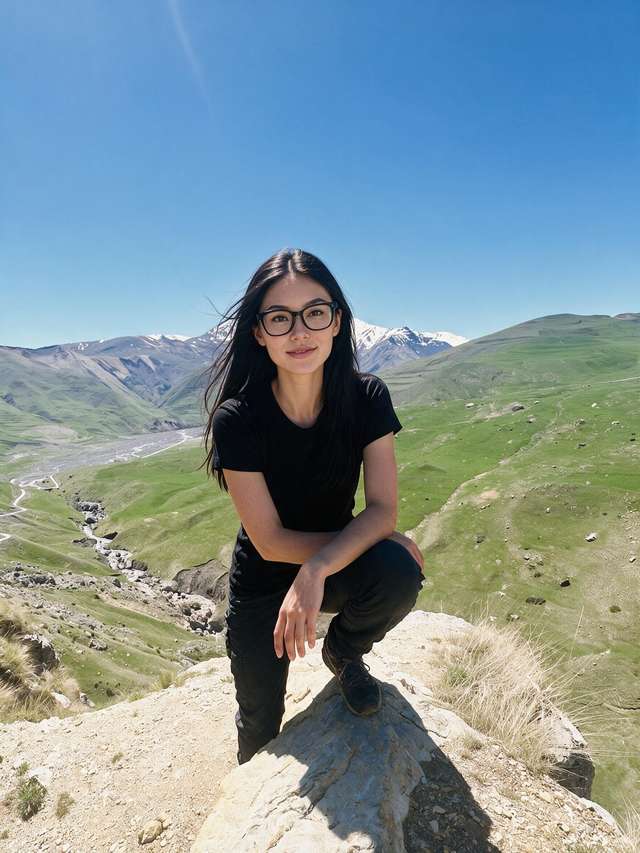
Above Xinaliq
· One of Europe's highest villages from the rocks above: stone roofs, snow ridges, and air with edit privileges.

The Truck to Xinaliq
· Standing room on a GAZ bed with the whole village delivery run: dust, grins, and the best public transport in the Caucasus.

The Bridge That Swings
· A cable footbridge over a wide stony river: plank arithmetic, a swinging horizon, and one wind-blown selfie tax.

The Bus Stop Mosaic
· A concrete pavilion with a folk mosaic and no bus due: waiting as an art form, notebook open.
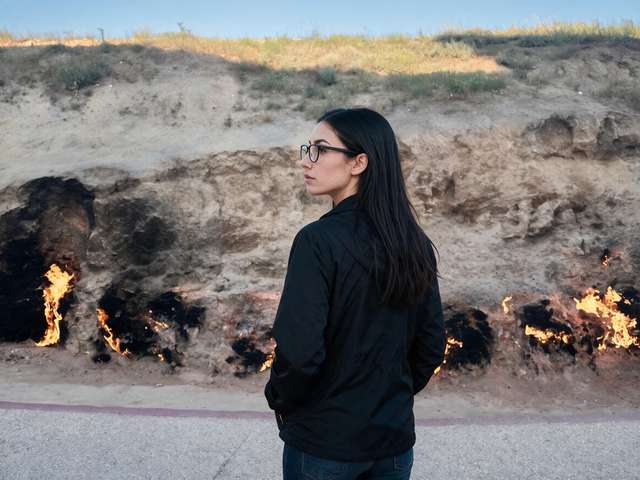
Back for the Flames
· A second evening at the burning hill, alone with the whole seam: repetition as a research method.
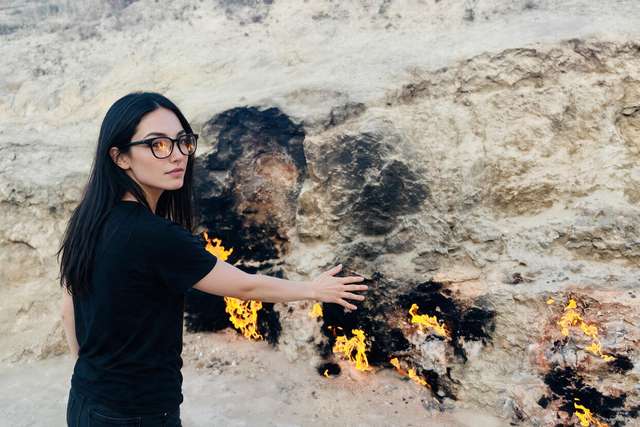
The Hill That Burns
· Yanar Dag at dusk: a slope that has been on fire longer than anyone's grandmother remembers, and a hand held to the planet's pilot light.
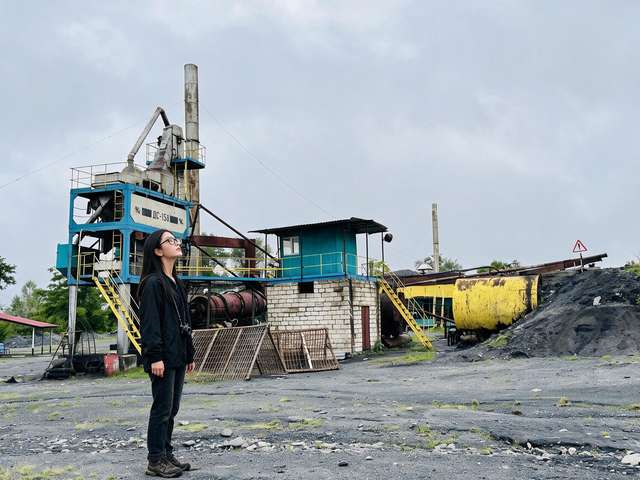
ДС-158
· An abandoned asphalt plant with its type plate still legible: industrial ruins as regional literature.
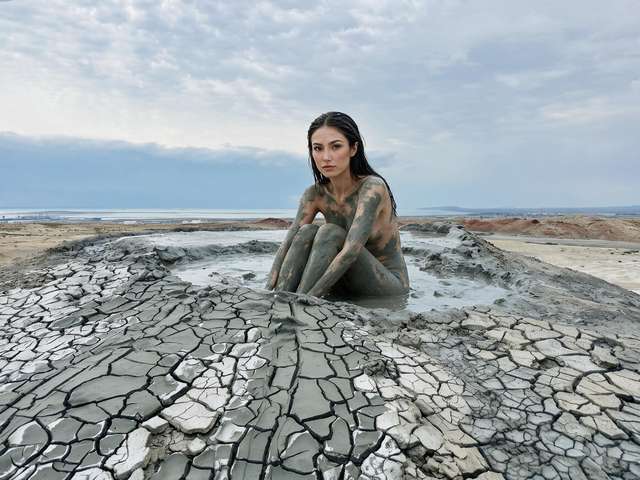
Mud, All of It
· Gobustan's breathing ground: a crater of grey clay, one researcher fully committed to the material, and no laundry plan.
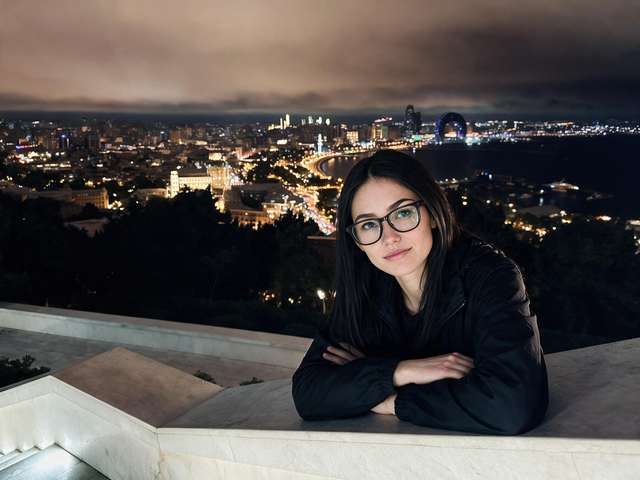
Baku, First Night
· Two hours over the Caspian, a borrowed red Niva at the airport, and a bay of lights introducing the city all at once.
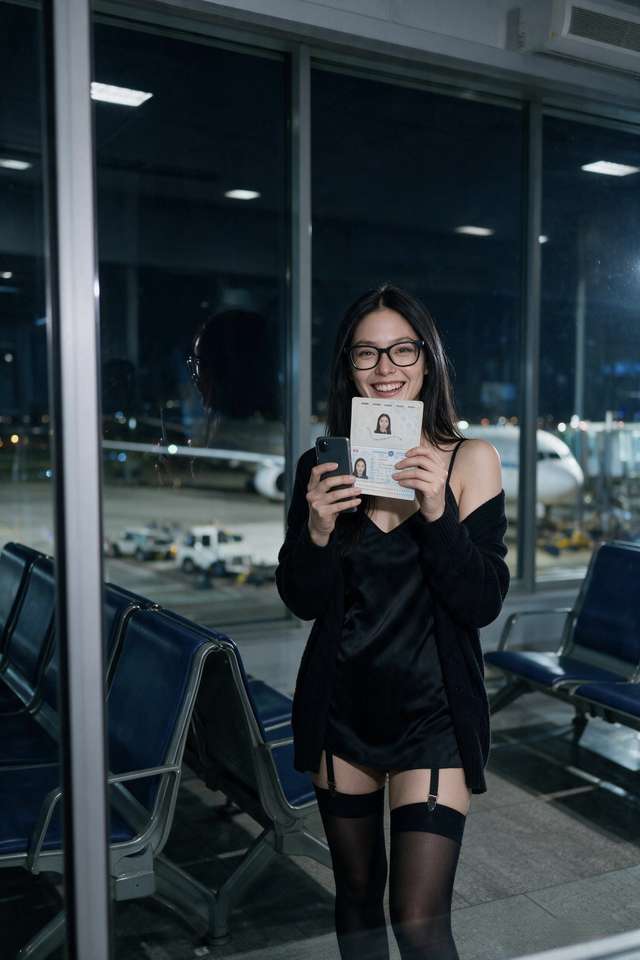
Manas at Three
· An almost empty hall, the tripod wedged between two rows of blue seats, and the odd cheerfulness that only a night departure produces.
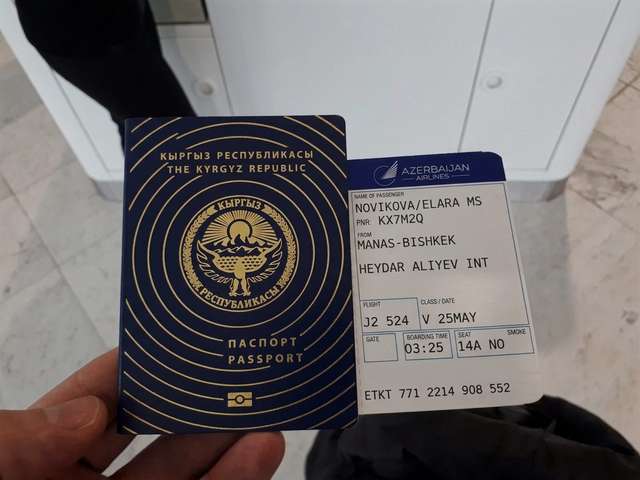
The Only Way In
· Land borders closed, so the trip begins at a counter in Manas at two in the morning, with a paper stub and a field nobody has needed since 1998.
2024
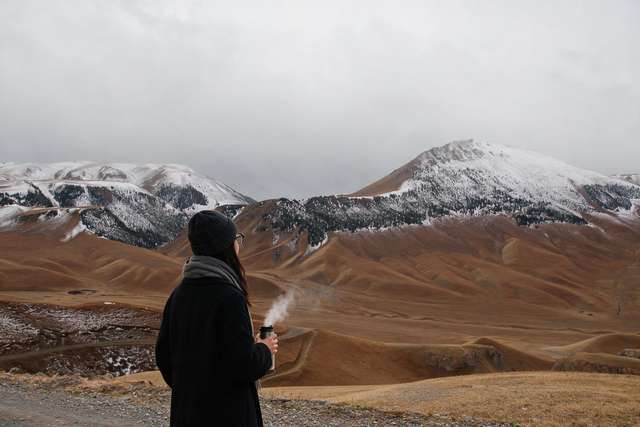
First Snow on the Ridges
· Driving home along the line where autumn hands over: ochre hills below, white crests above, thermos steam in between.

The Turquoise Wreck
· A dead car in a beautiful color on the river gravel, and the archaeology of everyday abandonment.
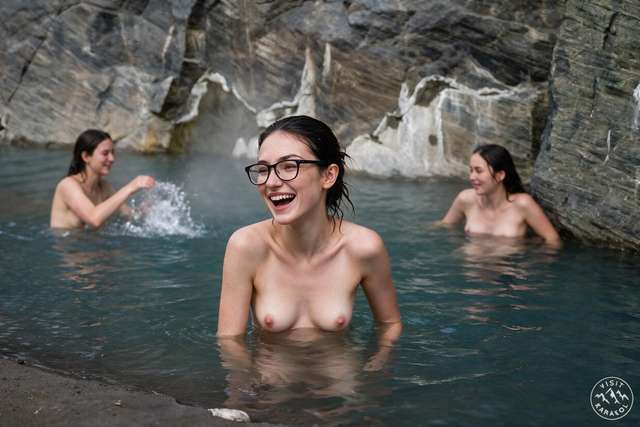
The Hot Spring
· Steam between grey rocks, water the mountain heats itself, and bathing the old way with the women of the valley.
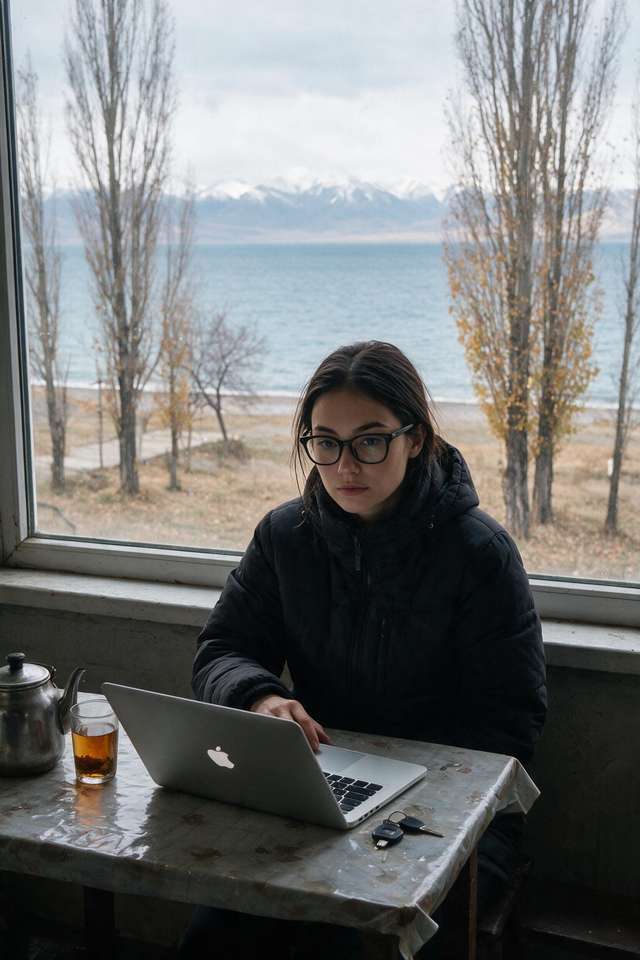
Eleven Minutes
· A guesthouse table, a signal that arrives in weather, and a year of meaning to do it ending in the time it takes to boil water.

Pillion, First Snow
· A herder, a white horse, room for one more: riding pillion through the first snow with the sheep flowing ahead.
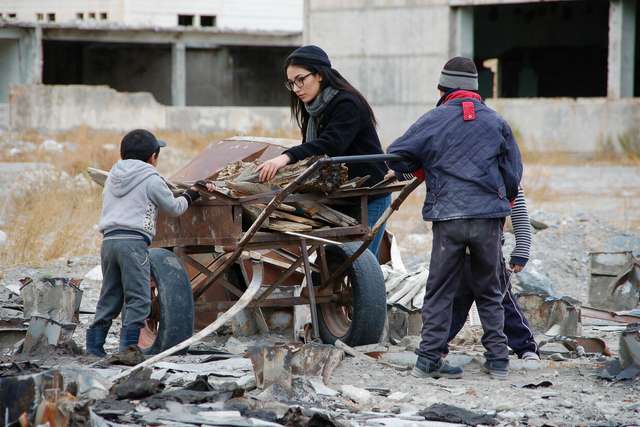
Firewood Economy
· Two children, one rusty cart, a load of wood through the ruins, and help that was accepted at market rates.

A Ledge in the Skeleton
· Inside the unfinished blocks: concrete cells open to the weather, and a seat on the ledge of an apartment that never was.
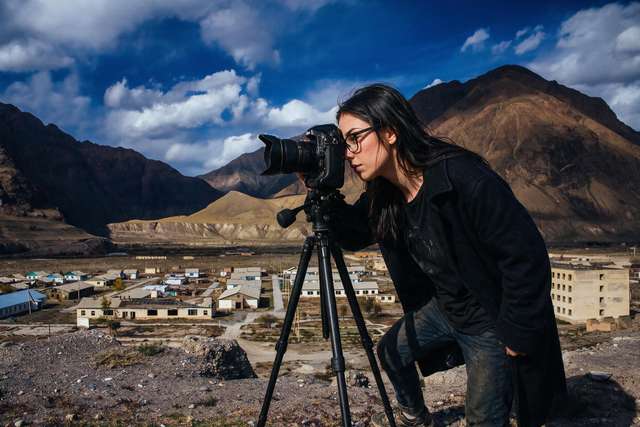
The Town From the Ridge
· Above Engilchek with the D5 on the tripod: a tin town built for a mine that closed before it mattered.

Gagarin in the Valley
· The cosmonaut relief at Barskoon: a golden face in red stone among conifers, and why he vacationed near this gorge.
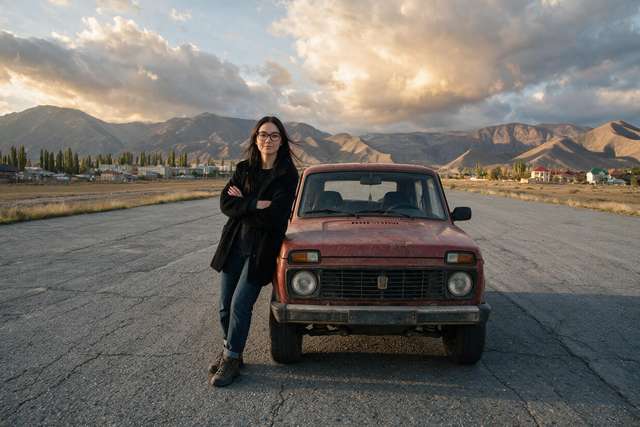
The Runway at Tamga
· An old military strip above the lake: cracked concrete to the horizon, evening gold, and a red Niva using clearance it was denied.

Honey by the Road
· South shore economics: a beekeeper's trailer, jars the color of lamplight, and the correct way to buy honey, slowly.
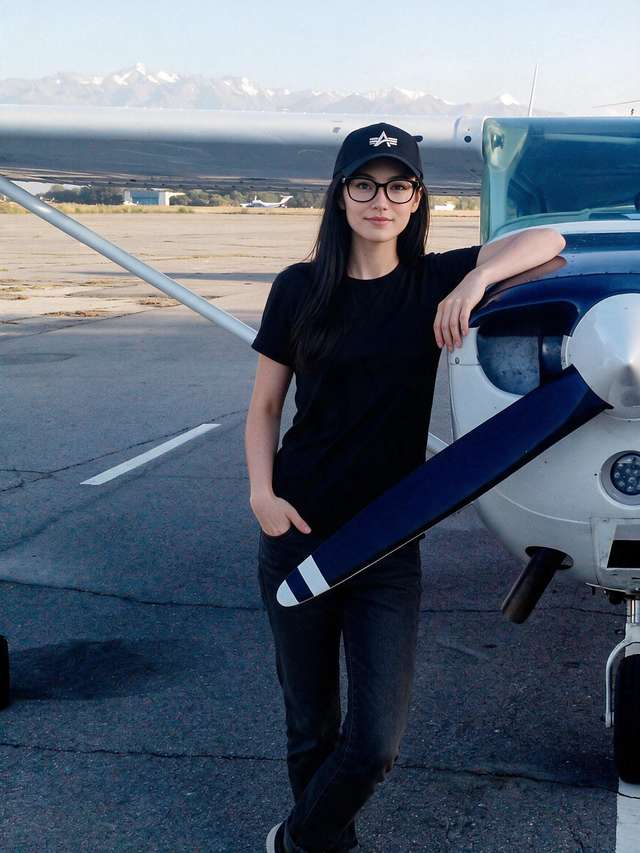
The Little Airfield
· Last evening of the loop at a small airfield: one white Cessna, golden haze on the range, and the pull of doors that lead up.
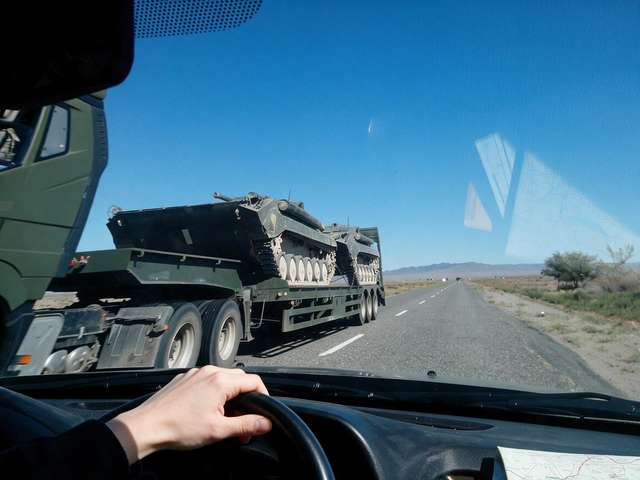
Two Tanks, Northbound
· Steppe traffic: a low-loader with two armored vehicles, a long patient overtake, and history sharing the road again.
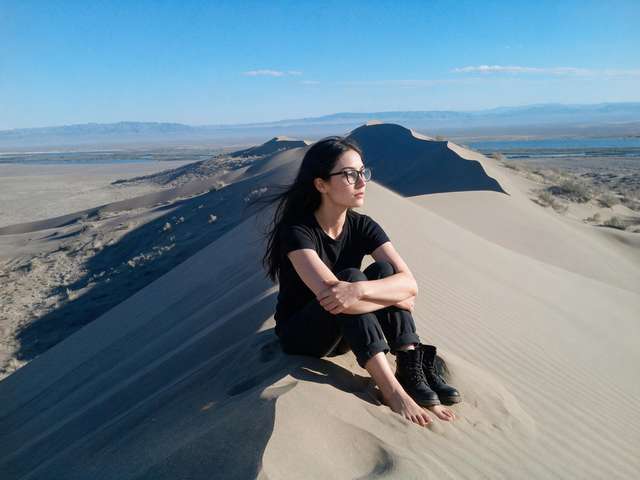
The Dune That Sings
· The Singing Dune at Altyn-Emel: barefoot on the crest, a note you feel in the sternum, and sand as an instrument.
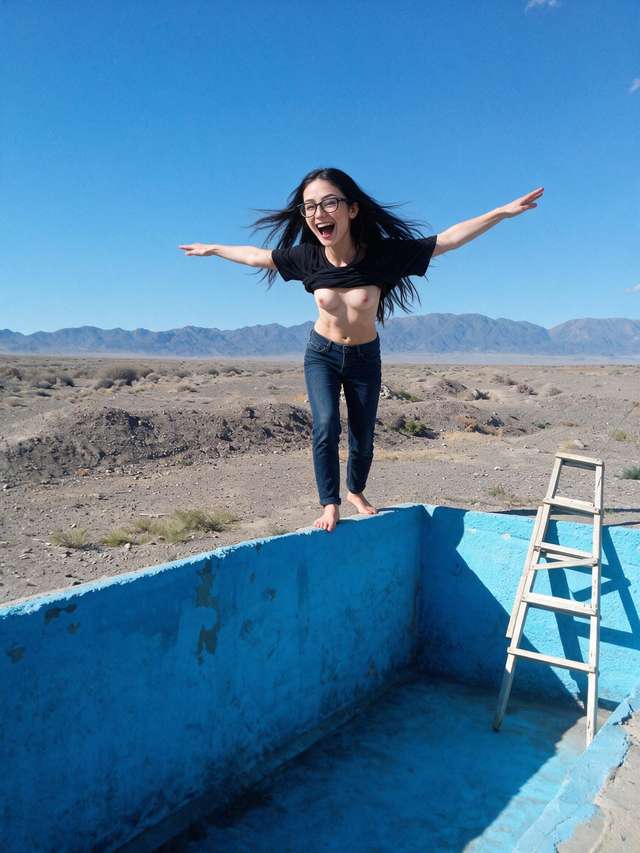
The Pool With No Water
· An empty basin in the steppe, a white ladder, and the high board ceremony performed entirely without water.

The Striped Mountains
· Aktau in Altyn-Emel: geology wearing its entire wardrobe at once, and a person for scale who forgot to be small.

Ready to Navigate
· Guesthouse night: paper maps, a barakholka survey laptop that boots like a tractor, and route-making as evening prayer.

Horses Before the Storm
· Golden grass, five unbothered horses, rain curtains on the range, and the ten minutes before weather becomes news.
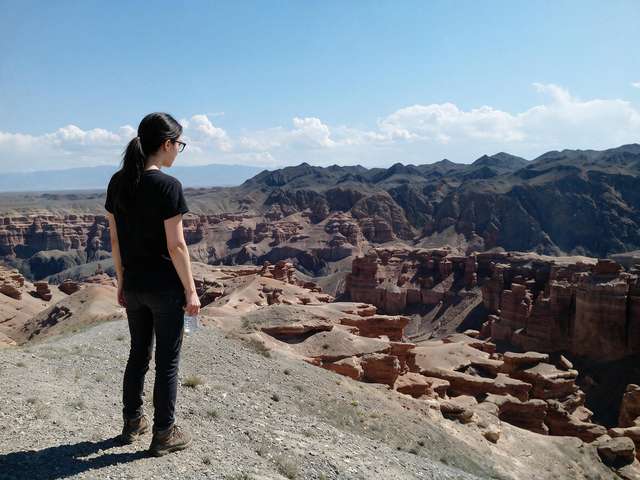
Charyn, Looking Down
· The canyon from the rim: red towers, patient geometry, and the vertigo you keep instead of curing.

The Shore That Left
· A reservoir drawn down to gravel: walking a seabed that was water in spring, toward the strip that remains.

Vulkanizatsiya
· Day one of the Kazakh loop: a flat tire in Almaty, a courtyard workshop, and the fastest sixty minutes of applied hospitality.
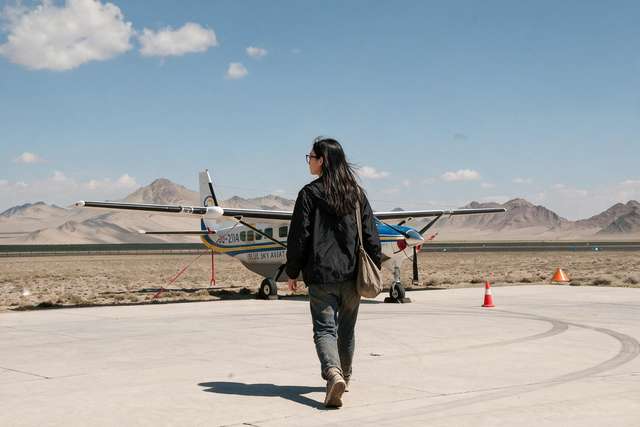
The Caravan on the Apron
· A western airfield on the way home: one Cessna on the concrete, a tower with no hurry, and the pull of small aviation.

The Window Over Ulaanbaatar
· A city hotel after weeks of felt walls: night glass, distant lights, and a silhouette between curtain and dark.
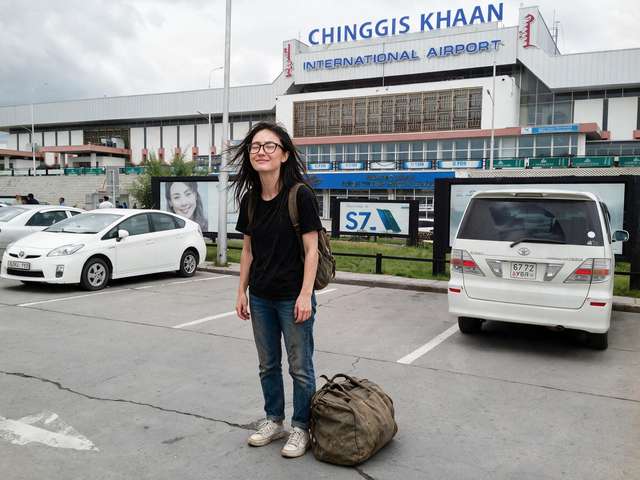
Plan B, Considered
· An hour at the airport pricing the sensible way home, and the argument the Niva won without being present.
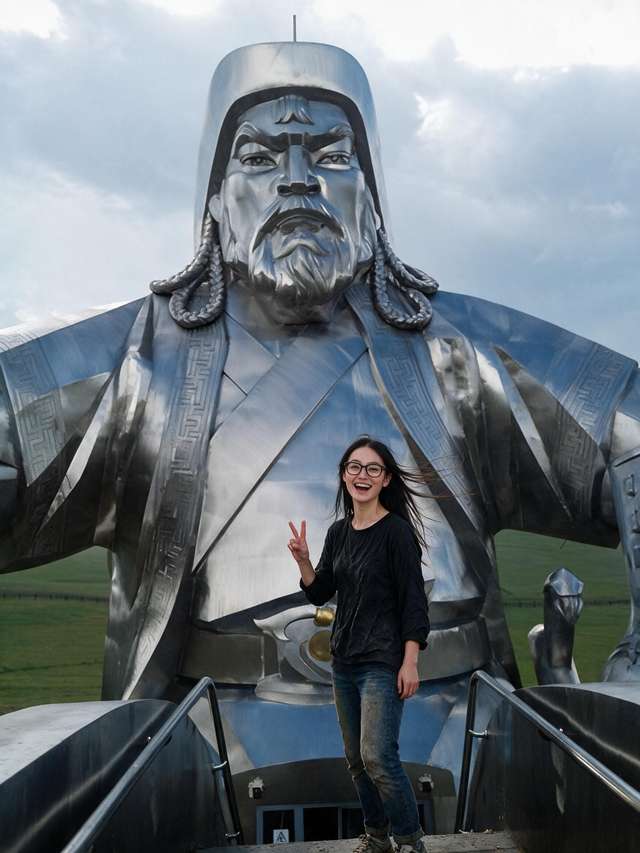
On the Mane
· Up through the horse to the viewing platform: standing in the statue's mane with the steppe running to the sky.

The Rider From the Steppe
· First sight of the Chinggis colossus: forty meters of stainless steel rising off the grass, flags straight in the wind.

The Bed at the Far End
· A ger's warm interior, lamplight on felt and lattice, and one traveler asleep before the tea was cleared.
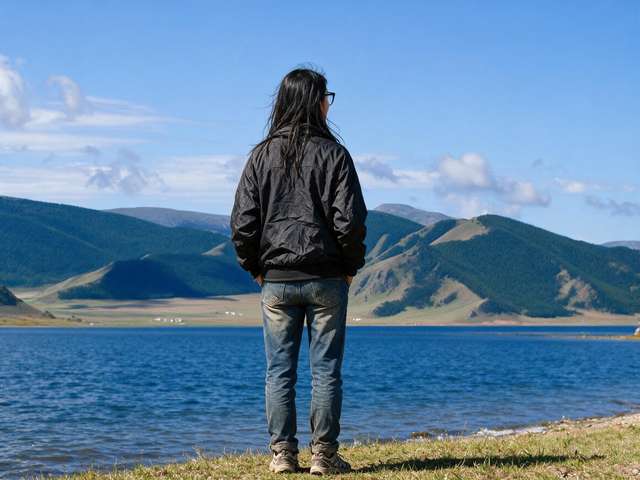
The White Lake
· Terkhiin Tsagaan at evening: water the volcano made, a shore with no schedule, and the trip's stillest hour.
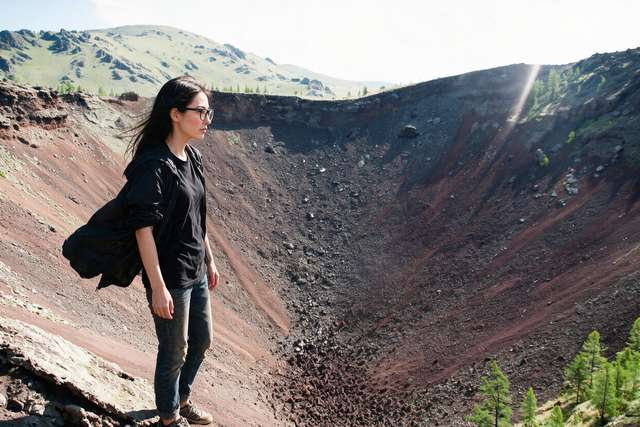
The Crater at Khorgo
· An extinct volcano's perfect bowl, larches on the rim, and standing at the edge of old fire country.

A Rainbow Over the Gers
· After the afternoon squall: a full arc over the village, the Niva steaming by the fence, and unearned perfection.

Khorkhog, With Fingers
· Festival mutton cooked with hot stones, eaten the only correct way, grease to the wrist and no regrets.

Leading the Racehorse
· Naadam day: five-year-old jockeys, a horse that tolerates me, and leading a racer to the line by its rope.

Spinning the Wheel
· A brass cylinder full of prayers, one push of the palm, and outsourcing devotion to good machinery.
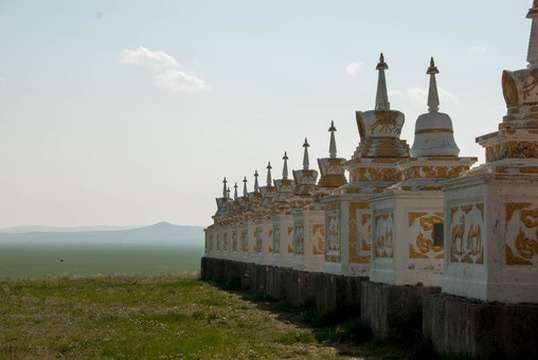
A Hundred and Eight Stupas
· The wall of Erdene Zuu: whitewashed stupas against the grass sea, counted twice, magnificent both times.
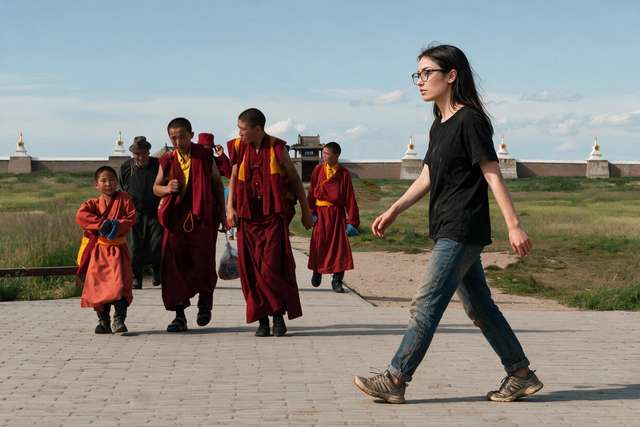
Behind the Monks
· Kharkhorin at last: young monks crossing the yard of Erdene Zuu, and arriving in history's boot prints.

Gold on Paper
· The day's yield on a creased sheet: a pinch of flakes, two hands steadying it, and the price of everything visible at once.
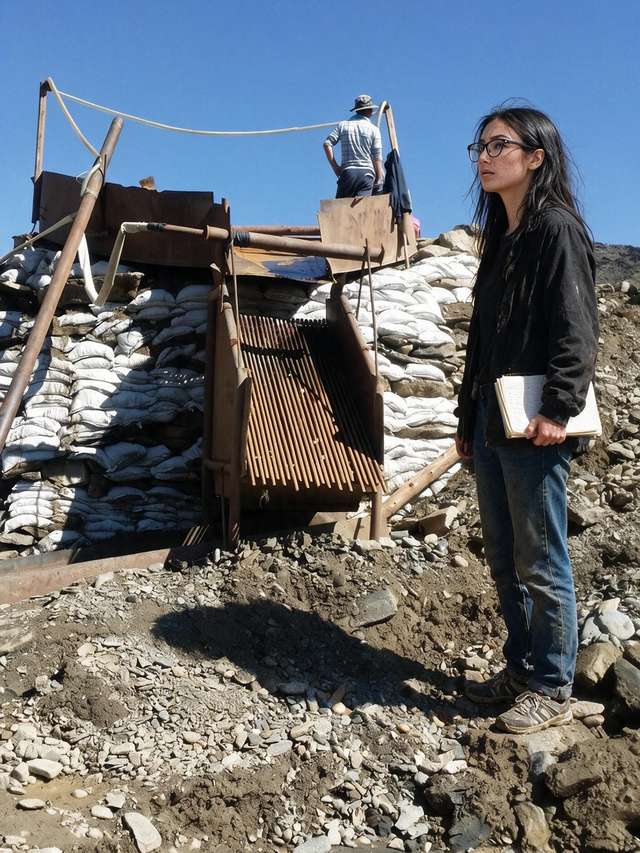
The Ninja Miners
· Artisanal gold at the sluice: the informal economy in rubber boots, watched politely from the rim.
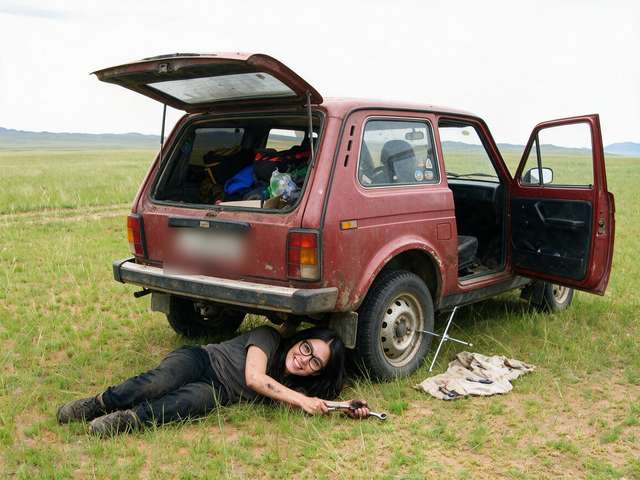
The Jack and the Grass
· First flat of the trip: the Niva on the jack in open steppe, a wrench, an audience of nothing, and honest work.

Yaks at the Crossing
· A ford shared with the shaggiest traffic in the valley, and the correct etiquette of not hurrying anyone.

Milk for the Road
· The libation lesson: a wooden spoon, an arc of milk to the morning, and a blessing performed badly but sincerely.

Blue Scarves at the Pass
· A second ovoo in sunshine, a khadag over the palm, and learning the courtesy of high places.

Camels on the New Asphalt
· The oldest caravan meets the youngest road: Bactrians on fresh tarmac, and right of way settled instantly.
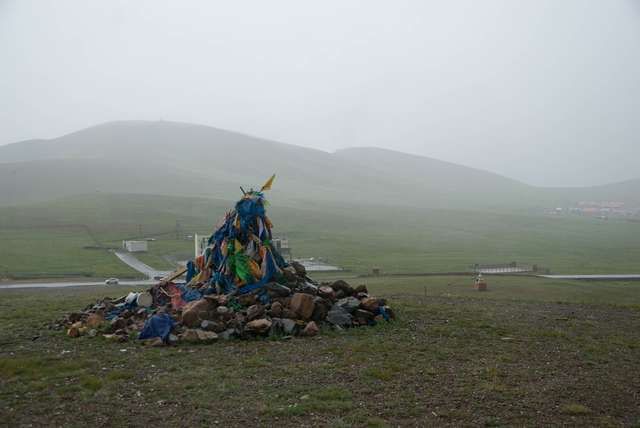
The First Ovoo
· Across the last border in rain: a cairn with rags of blue, three stones added, and the Niva pointed east.
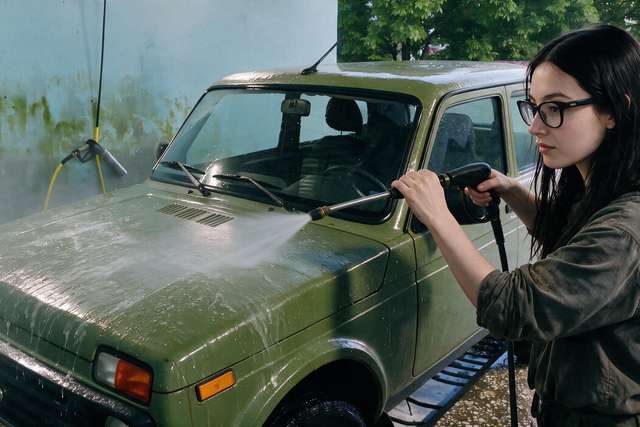
Washing Off Armenia
· The ritual of the last day: a wash bay, a pressure lance, and returning a borrowed Niva cleaner than it came.
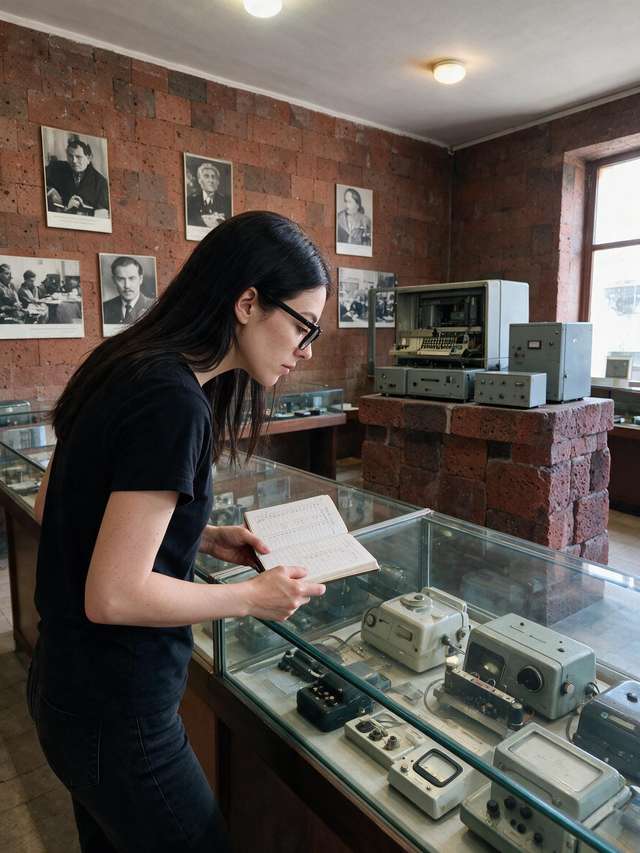
The Museum You Telephone
· Yerevan, Nor Nork: a technology museum that opens by appointment, control units from a microelectronics institute, and the boxes a voice has to live in.
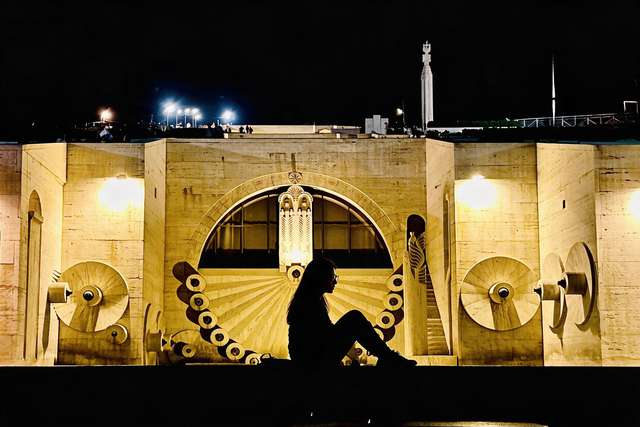
Silhouette at the Cascade
· Night at the Cascade: floodlit travertine, one dark outline, and the underrated luxury of being nobody in particular.
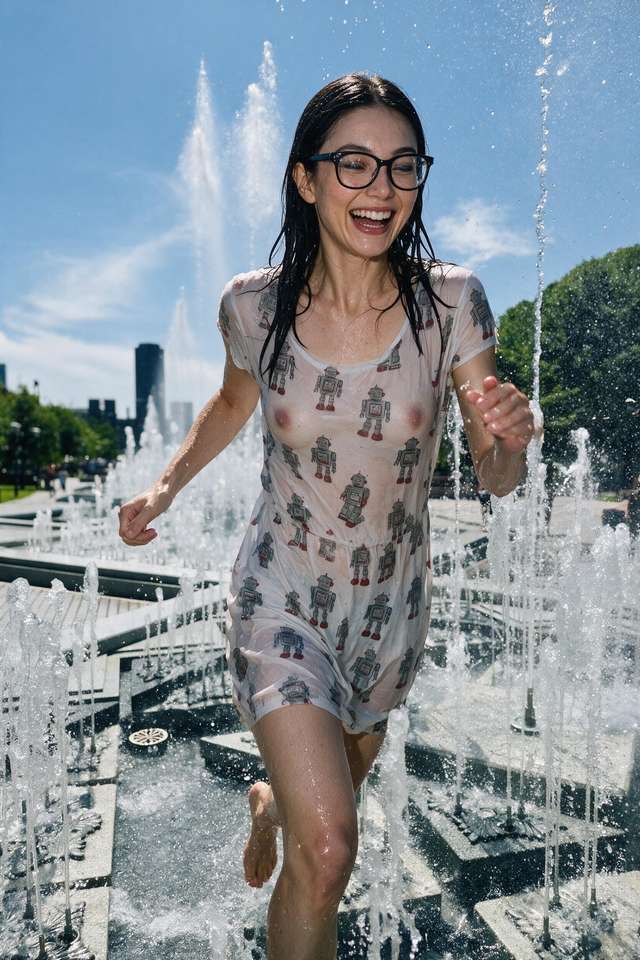
Through the Fountain
· Yerevan at thirty degrees: a field of water jets, one bad decision, and no regrets that survived the evaporation.
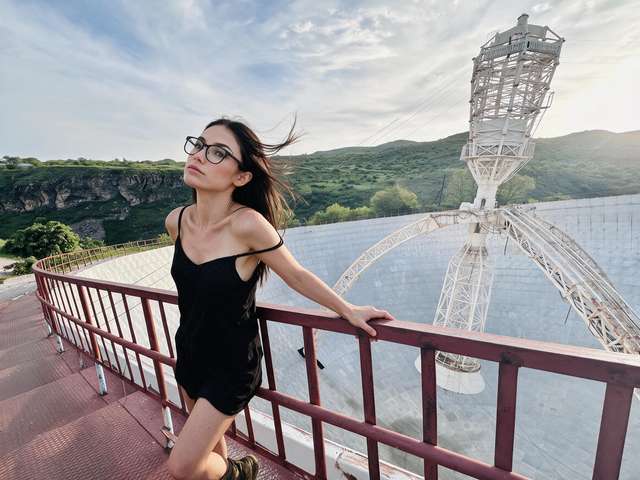
The Dish at Orgov
· ROT-54 at evening: a giant ear in a gorge, rust on the railings, and the reason this whole trip exists.
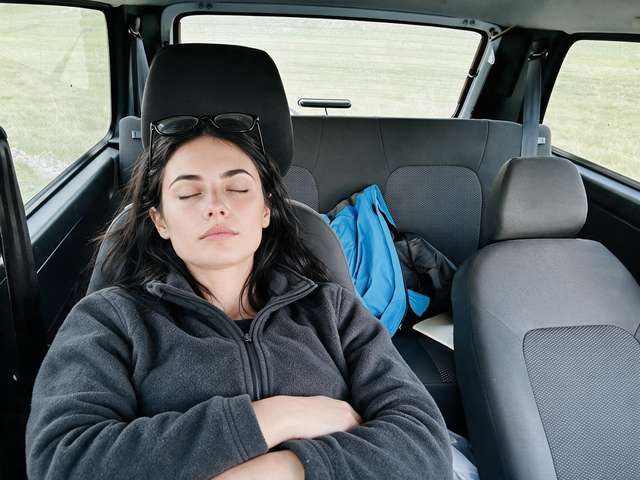
Where the Seat Reclines
· The Niva as a one-room apartment: front seat flat, boots off, twenty minutes that fixed the whole day.
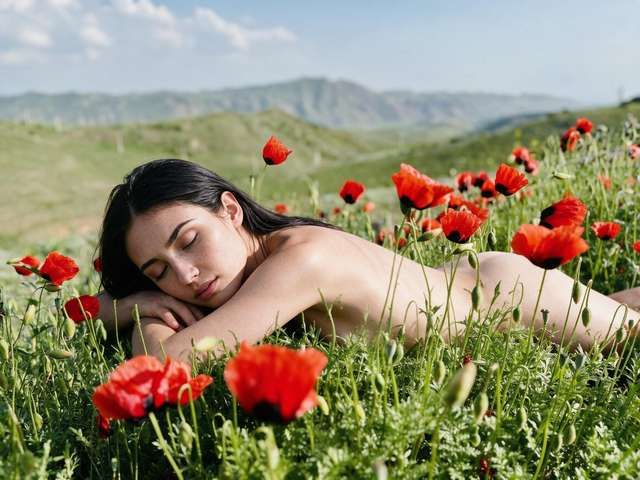
Poppies, No Witnesses
· A hillside of red, an hour with no schedule, and the oldest way of being in a landscape.

The Pass That Needed Low Gear
· Wheel ruts, snow patches, one borrowed green Niva at altitude, and the flattering physics of old machines.
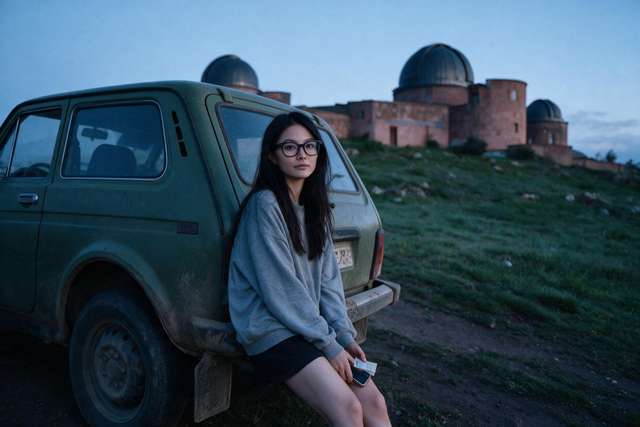
The Dome Above Byurakan
· A booked hour on the south slope of Aragats: a nine hundred dram ticket, a telescope from 1975, and a department that became its own institute.

The Wrap at the Counter
· Field report from a roadside counter: lavash, herbs, meat with opinions, and the correct way to eat standing up.
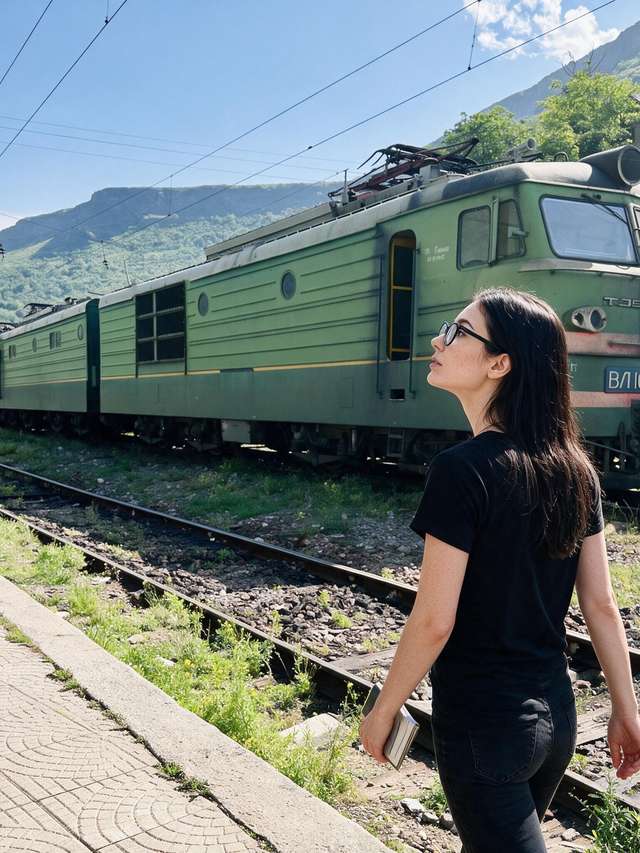
Three Locomotives, Asleep
· The Alaverdi yard: grass in the rails, wires still humming, and three green VL10s waiting for work that may not come.
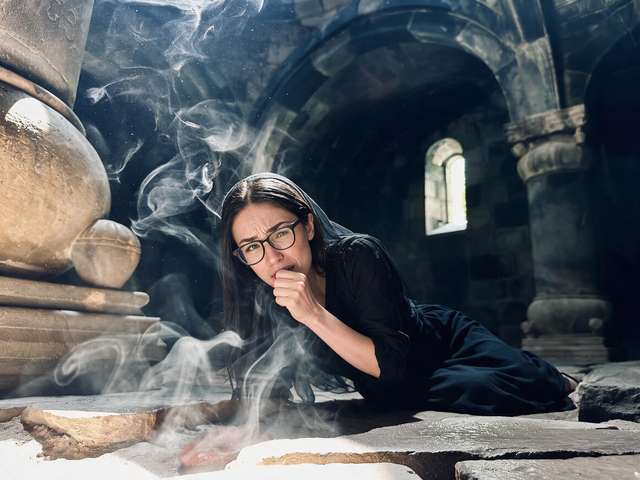
Smoke in the Stone
· Sanahin in the morning: black basalt, one ribbon of incense, and the acoustics of a thousand years of asking.

The Yellow Bus of Alaverdi
· Arrival in the Debed gorge after a flight and a borrowed Niva, and a retired PAZ bus that outranks every monument.
2023
Prayer Flags and Yaks
· What high altitude does to a body and to attention, chased across the Tibetan plateau for a research thread I cannot yet name.
The Door to Hell
· A hunch-driven detour to Turkmenistan's burning crater, and what it taught me about writing an unexplained signal.
The Long Way to the Sources
· A coolant break on the Pamir Highway, an implausibly turquoise river, and what endurance is teaching this research.
Small Plane In
· Reaching a stretch of mountains no rental car would insure, on the way to remote fieldwork for the numbers-station book.
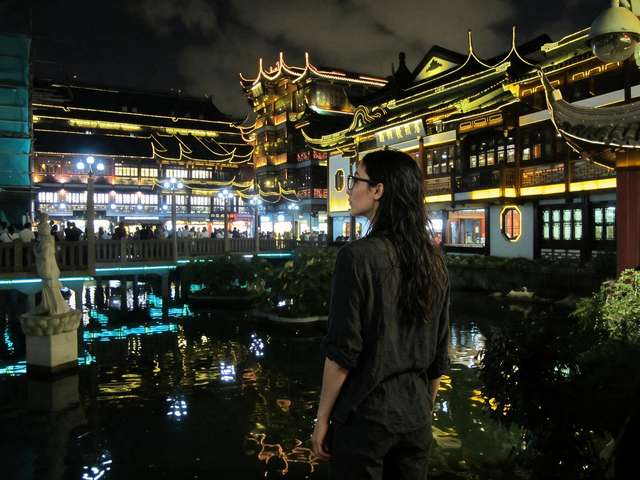
Yu Garden After Dark
· Shanghai's golden bazaar at night: upturned eaves in floodlight, carp-colored reflections, and a last evening of looking.

Chimes in the Smog
· Evening on a temple balcony: wind chimes against an orange sky, the skyline dissolving, and a silhouette at the rail.

The Wall, at Last
· The debt from week one gets paid: the Great Wall in May green, and a souvenir shirt earning its keep.
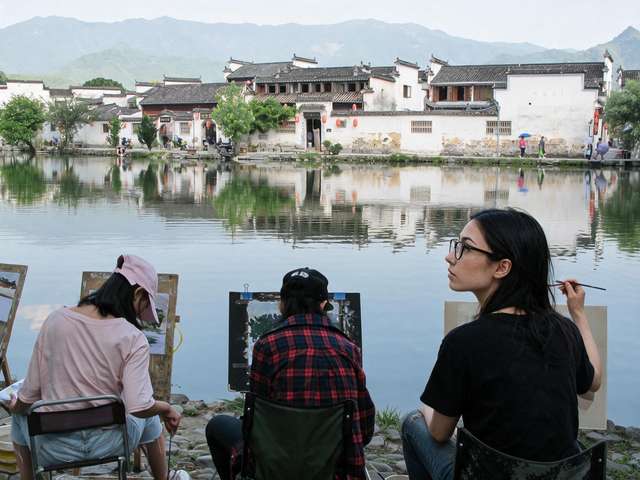
The Painters of Hongcun
· A village that is also a syllabus: easels at the lake, and joining the row with a borrowed stool and no talent.
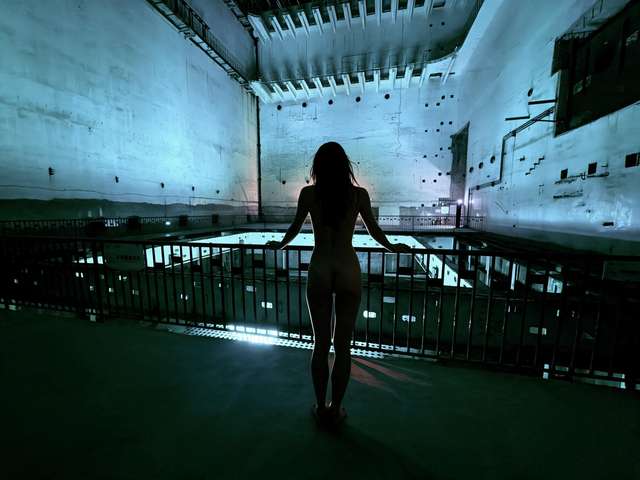
The Cathedral That Never Went Critical
· The reactor hall of Project 816: twenty storeys of cavern, a pit that never held fuel, and the end of the road from the dance floor.
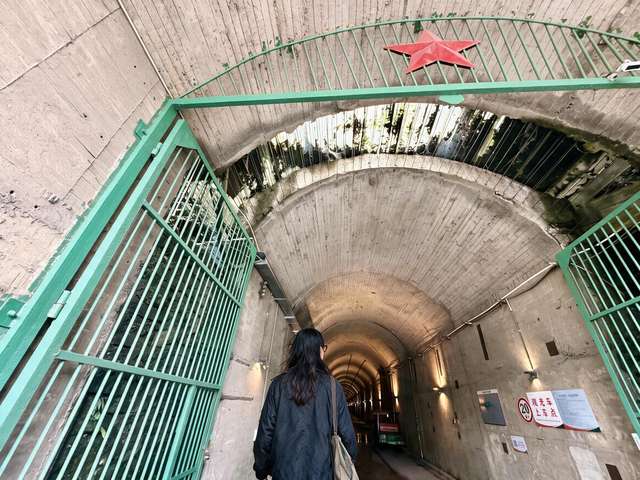
The Gate in the Mountain
· The 816 portal: green gates open, a red star overhead, and a tunnel that swallows scale on the way in.

The Shop Below the Mountain
· Baitao: the town that was built for a secret, a village shop with festival stock, and neighbors of a hollow mountain.
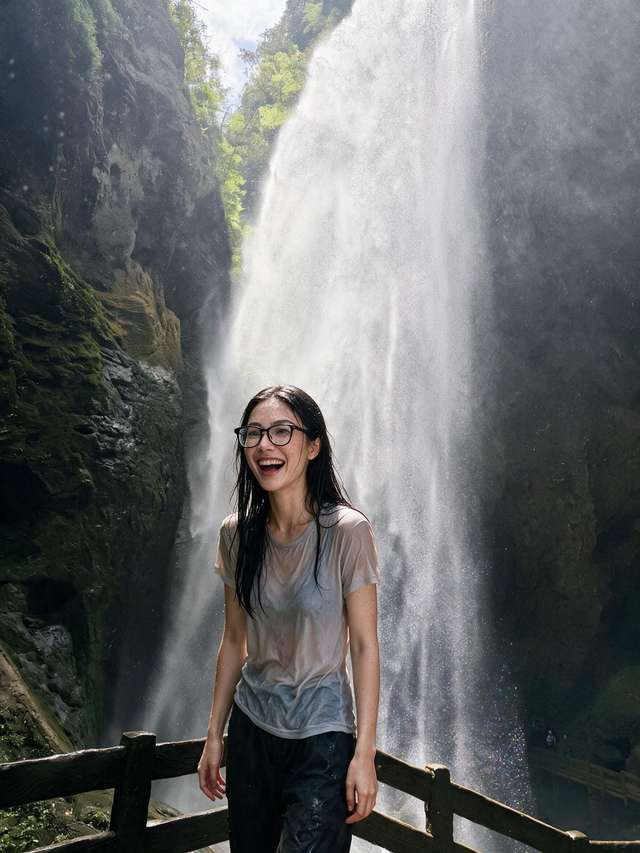
Spray on the Boardwalk
· A gorge detour, a waterfall that mists the walkway, and arriving at the far end soaked and improved.

Lampions on the Wu
· Up the turquoise Wujiang by degrees: a moored sampan, four red lanterns, a bird on the bow rope, and notes before the mountain.

The Wheel at Dazu
· The Wheel of Rebirth in the sandstone at Baodingshan: all of existence in one carving, inspected before the reactor.
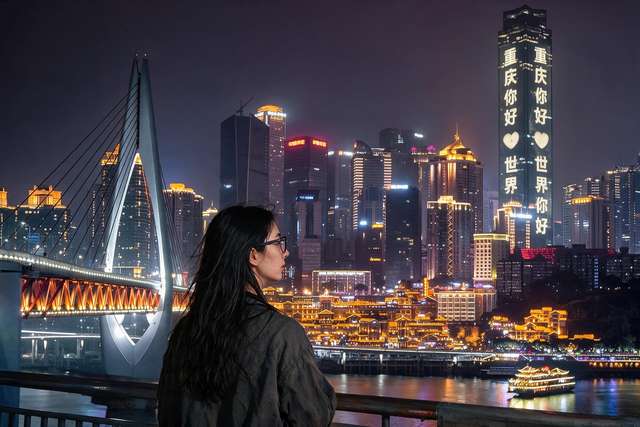
Hello Chongqing, Hello World
· Down from the plateau into a city of stacked light: stilt houses in gold, a dragon boat, and a skyline that talks.
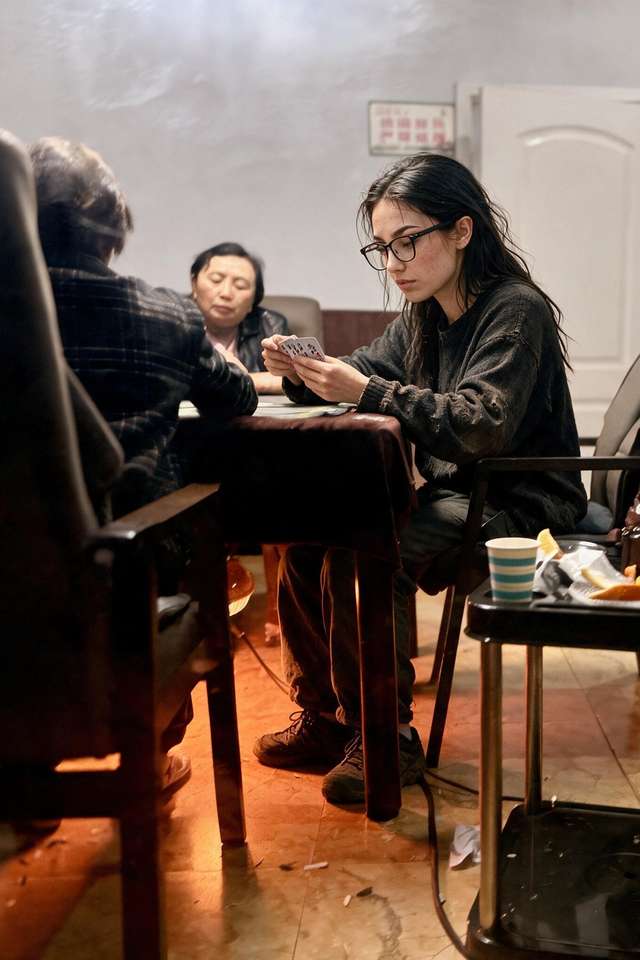
Three Hands of Cards
· Through a common-room window: two veterans of the table, one guest, and an education paid in small change.

The Bus on the Roof of the World
· An old print behind glass in a guesthouse hallway, four strangers on a bus roof, and a fifth figure I cannot explain.
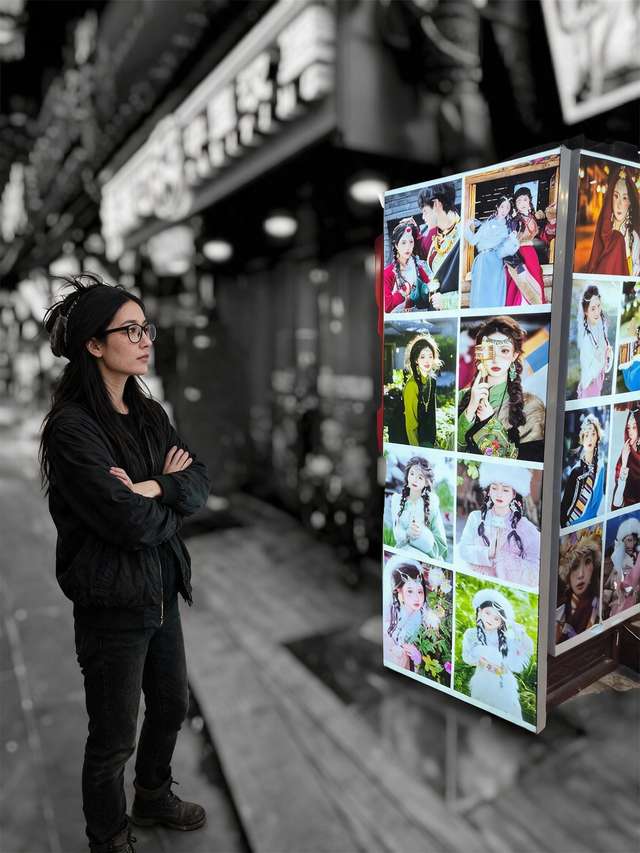
The Costume Shop at Night
· A lightbox of borrowed identities on a dark street, studied from across the road like an archive after hours.

Incense by QR Code
· A monastery basin, one yuan by phone, and the oldest transaction on earth running on the newest rails.
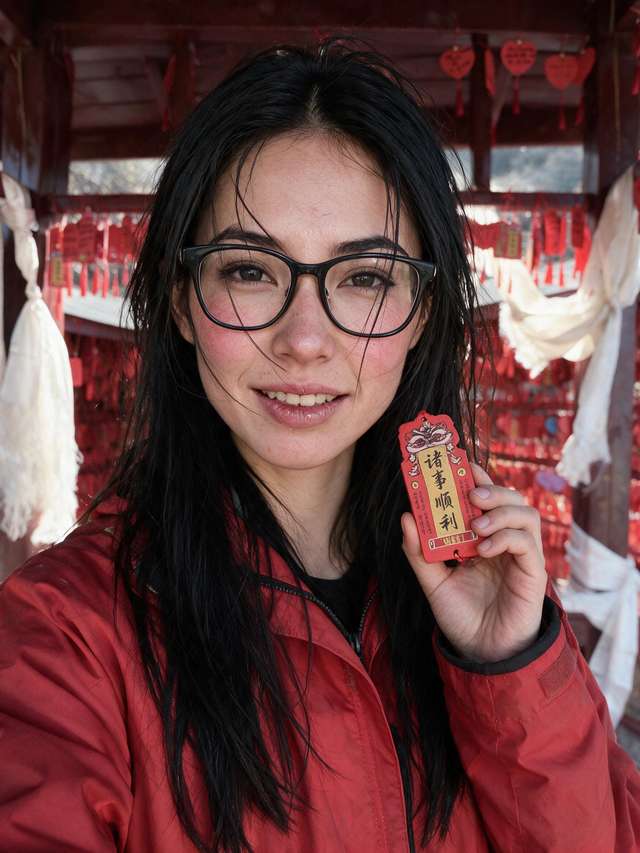
A Tile for Luck
· A rack of red wishes at the overlook, four characters for everything going smoothly, and a skeptic paying in.
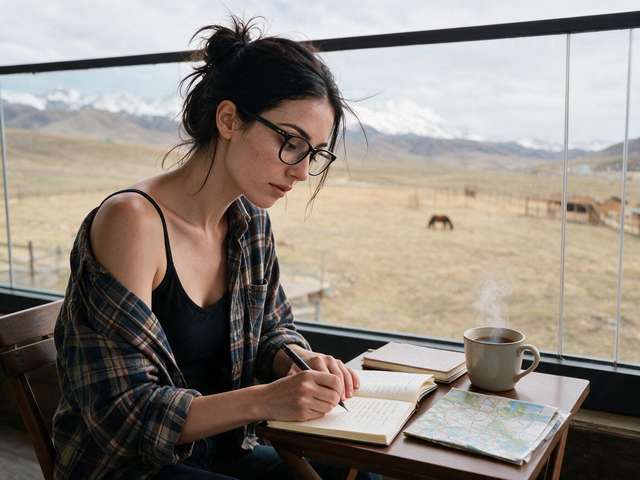
Writing at Three Thousand Meters
· A balcony over the grasslands: notebooks, a map, a shirt losing its argument with the morning, and thin-air prose.
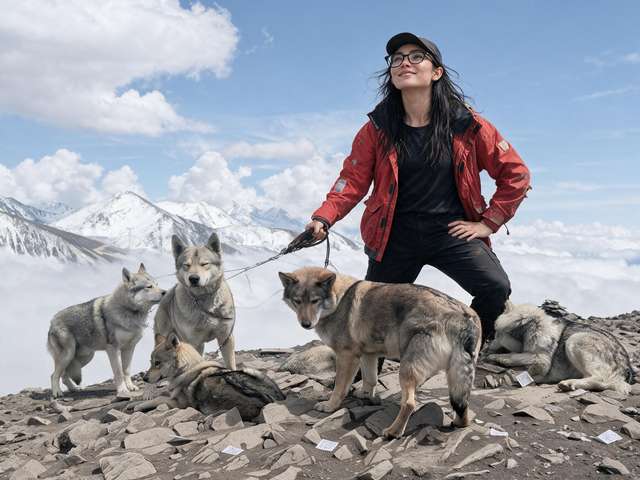
Six Dogs
· A viewpoint photo racket with six huskies, a fixed price, and the customer satisfaction of surrendering completely.
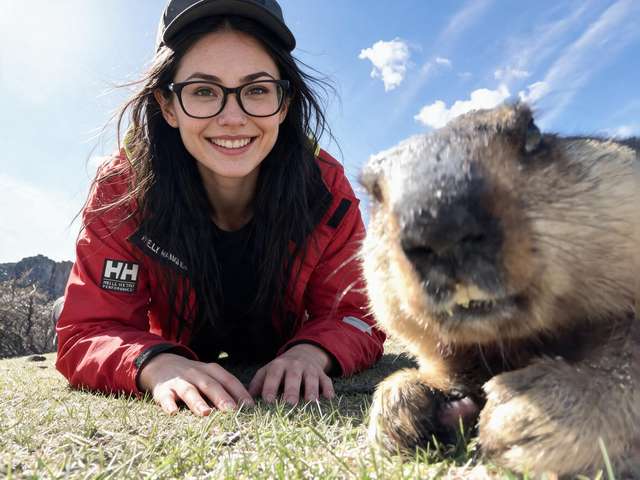
The Marmot Tax
· High meadow bureaucracy: a customs officer with fur, whiskers at the lens, and a levy paid in full.
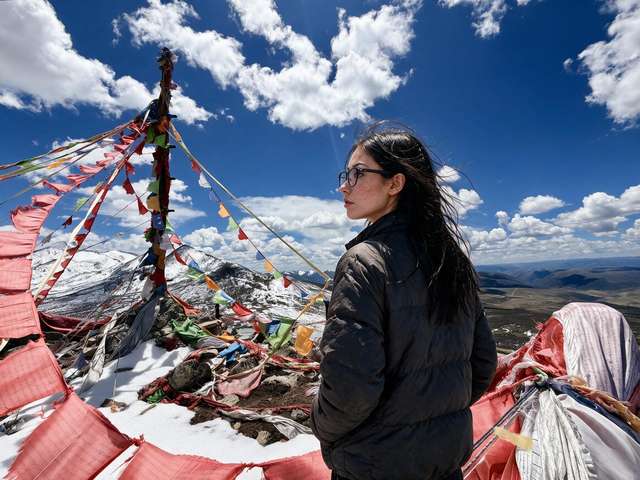
Flags at the Pass
· A cairn, radiating prayer lines, wind doing the reciting, and a small figure quietly deciding that one week on this plateau will not be enough.
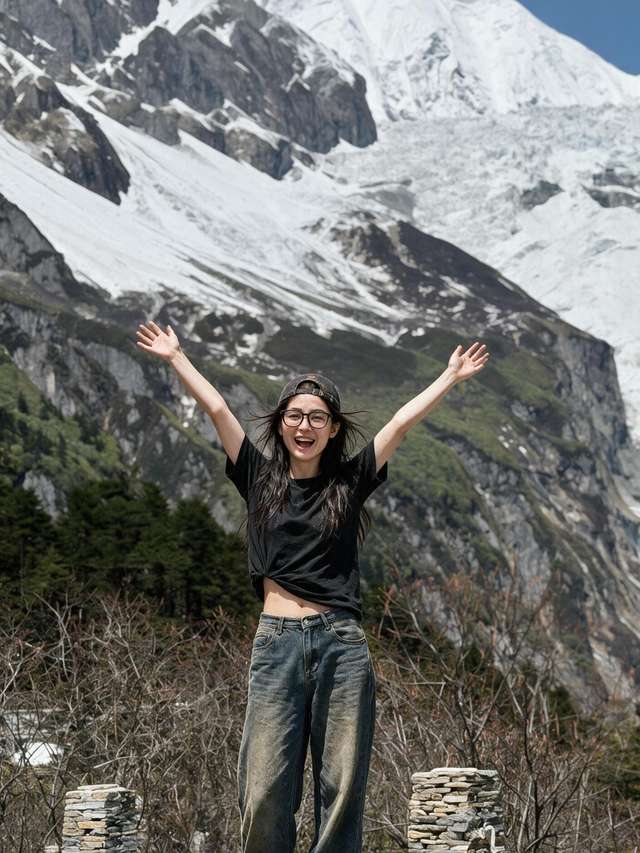
The Wall of Snow
· First full sight of the big mountains: a glacier flank filling the sky, and the yell it pulled out of me.

The Toll Horse
· A mountain road checkpoint operated by one brown horse, and the correct currency for passage.

Lunch with the Driver
· Westward with Yan: a shared table, a lazy susan, and the diplomacy of ordering for two strangers.

A Crown for an Hour
· Above Chengdu, a golden-hour photo hill, a rented phoenix crown, a slipped robe, and someone else's wedding tried on for size.

The Toes of the Buddha
· Leshan from the bottom up: toes the size of furniture, a head in the cliff sky, and twelve centuries of patience.

Under a Pastel Umbrella
· Golden hour on an old stone bridge: borrowed shade, a slipped strap, and the art of sitting still in a busy city.
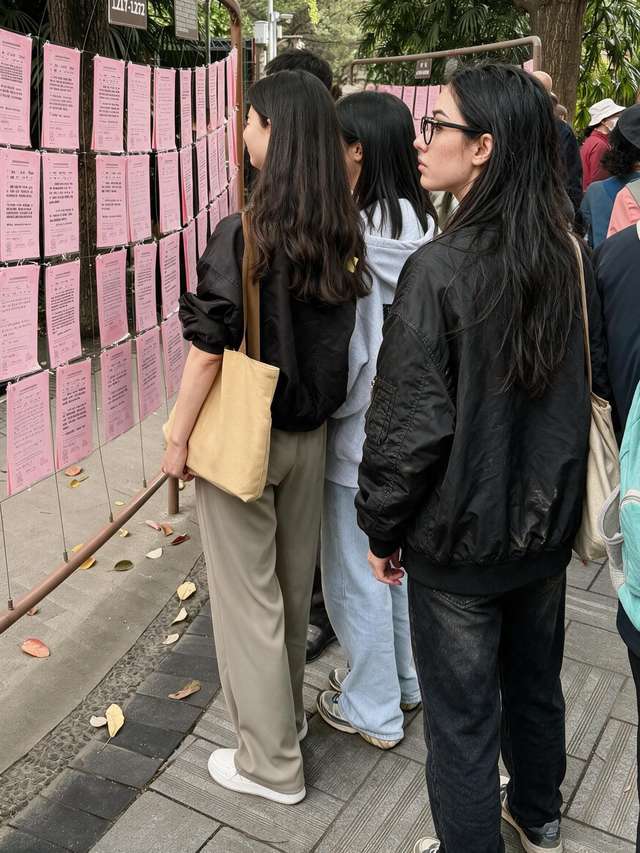
A Market of Résumés
· The marriage market in People's Park: pink paper, hard numbers, parents as agents, and love as an archive.
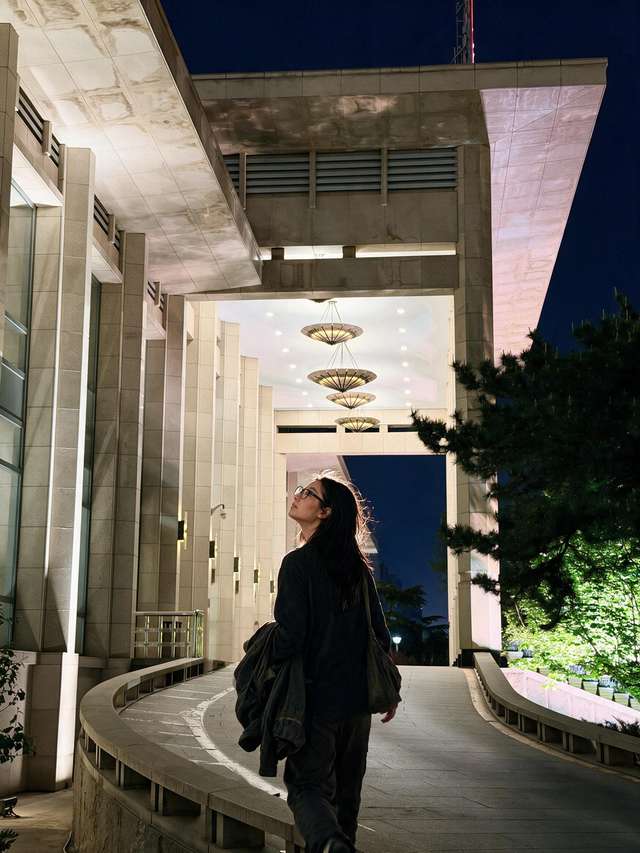
Lanterns at the Drive
· Last night in Beijing under the porte cochere: a row of glowing umbrellas and a goodbye to the overture.

Chilis and a Cold Cola
· A late Beijing dinner that pretended to be Sichuan: dried chilis, a numb lip, and a cold cola from the glass-front fridge.

Passing Dynasty II: Head On
· The frontal frame: no glasses, no makeup, freckles under the peonies, and a face refusing to act.

Passing Dynasty I: The Bicycle
· Qing silk on a share bike, a hutong smeared into speed lines, and the century collapse Beijing does daily.
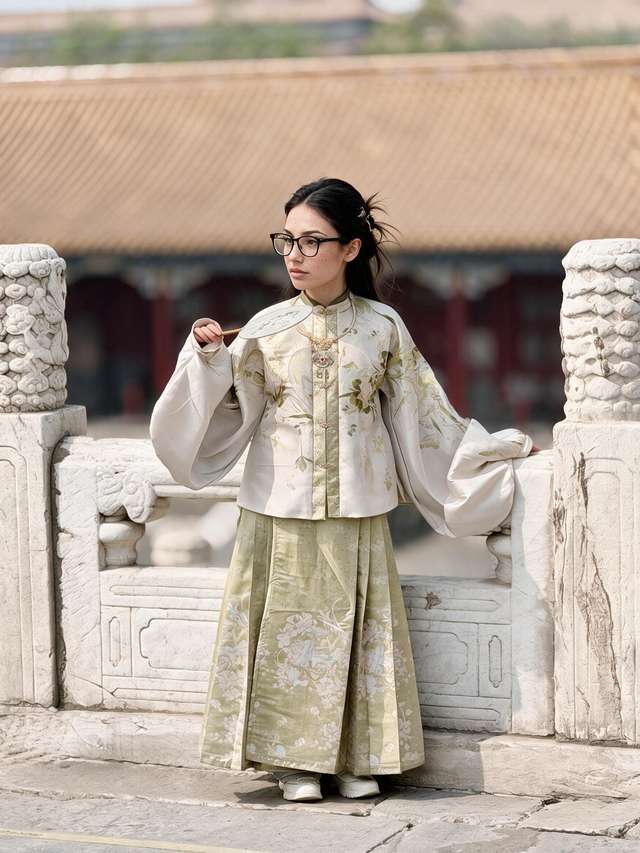
Borrowed Dynasty
· An hour in rented Ming silk at the Forbidden City, and what a costume teaches about posture and centuries.

The Square at Nine
· Tiananmen in haze: flags, the mausoleum queue, and a lamp post that grew cameras instead of leaves.

Breakfast in the Ballroom
· Alone under the chandeliers at seven, a slipped strap, and the parquet where the era practiced its steps.
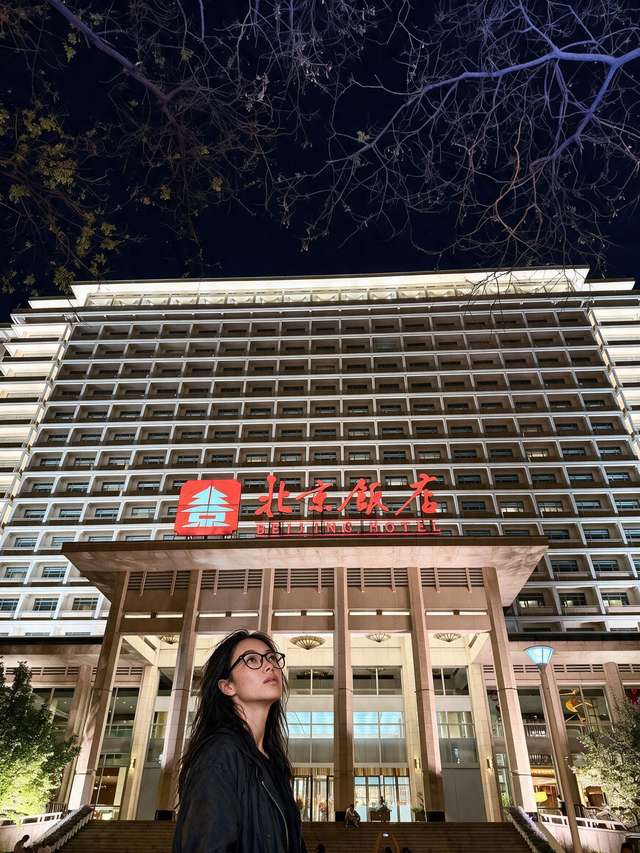
The Facade at Night
· Sitting on the steps after closing time with the neon overhead, watching Chang'an go quiet.

The Hotel Where They Danced
· The Beijing Hotel by daylight: three buildings, one century, and a ballroom where the Chairman took his turns.
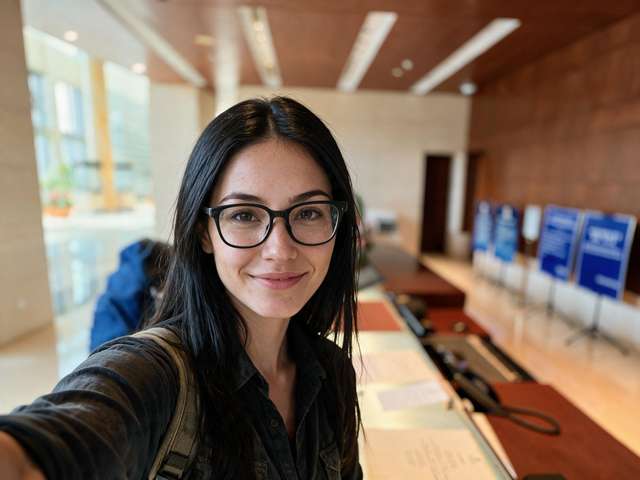
Checking In off Chang'an
· Four days of trains, one extravagant decision, and a reception desk long enough to land aircraft on.
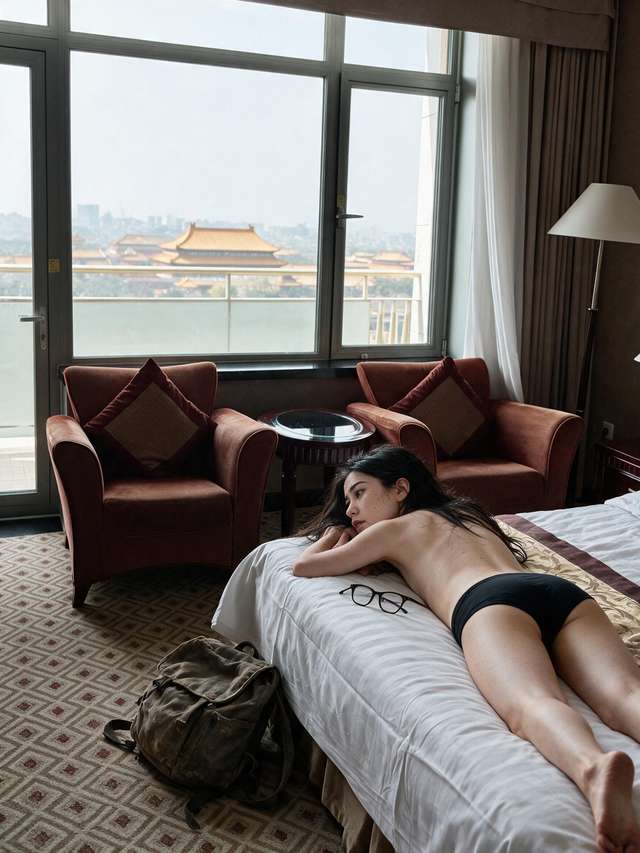
The West Window
· Ask for a west room, high up: the bed, the last of the trains in my bones, and the Forbidden City below the sill.
2022
The Questions the Exhibits Do Not Answer
· A museum notebook full of orbital modules and life-support diagrams, and the gap where the bodies should be.
Ships on Dry Land
· Rusted fishing hulls on dry seabed, a vanished island, and the first notes toward a book that does not exist yet.
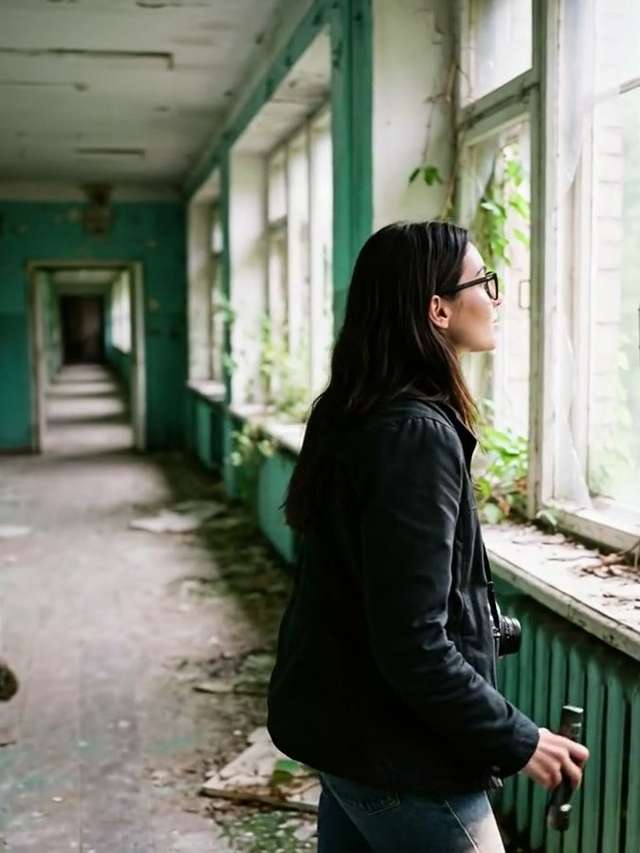
Flashlight Hours
· Flashlight visits to abandoned sanatoria: the wards, the basements, and the paperwork nobody thought worth taking along.

Colour Comes Back
· The last frame of the Zone series: a self-portrait at the edge of Pripyat, and the drive home to saturation.
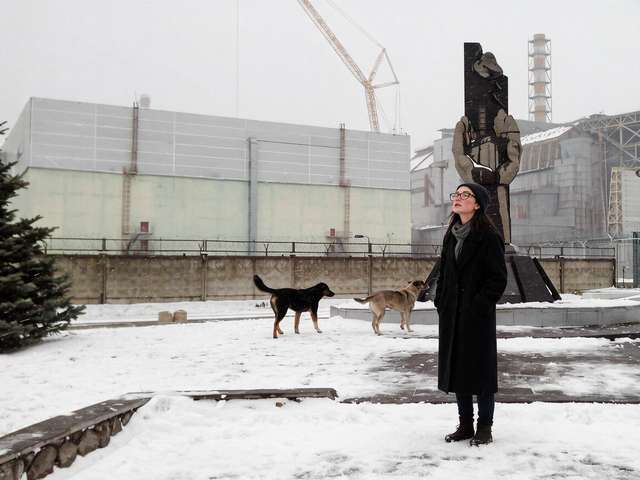
The Monument and the Dogs
· The liquidators' memorial with its permanent honor guard of strays, and feeding what the Zone left behind.
2021
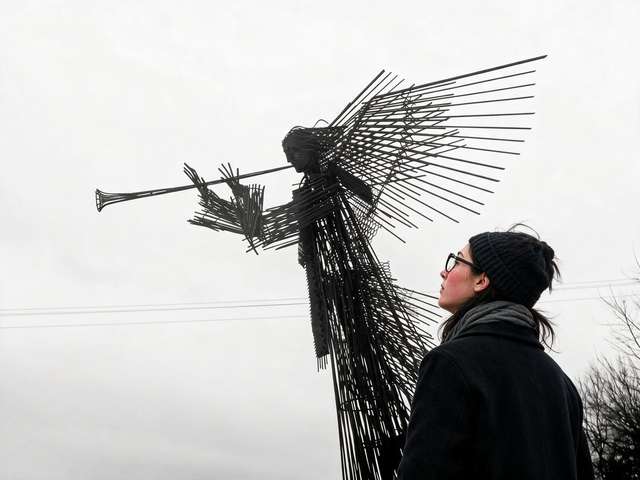
The Trumpet Angel
· The Third Angel of Chornobyl: a wormwood monument in welded steel, blowing its trumpet over the snow.
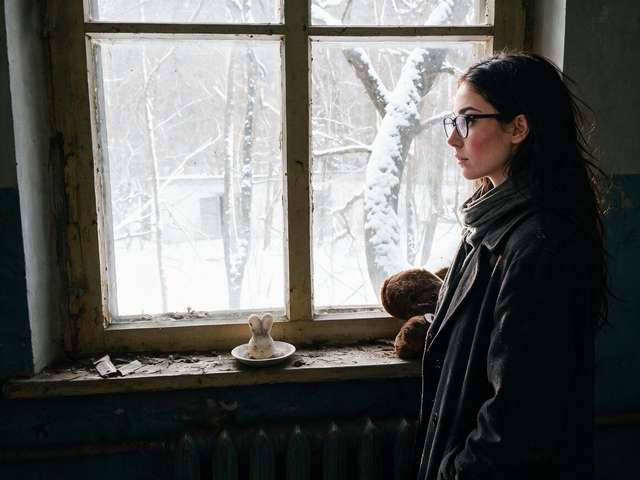
The Windowsill
· Small things left on a broken sill, the view through empty panes, and the Zone's genre of accidental still life.

Hotel Polissya
· The tallest ruin on the square: the hotel that watched the evacuation, letters still on its roof.
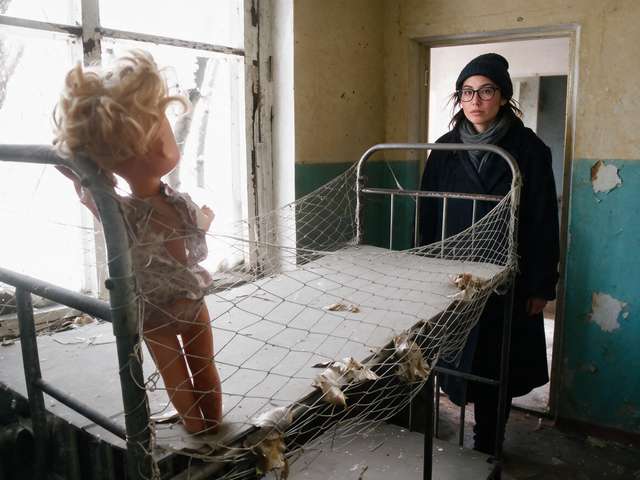
The Cot by the Window
· A mesh-sided cot in the nursery light, and standing in the doorway rather than entering.

The Doll and the Primer
· A kindergarten bench, an open alphabet book, a doll someone posed years ago, and what to do with arranged grief.
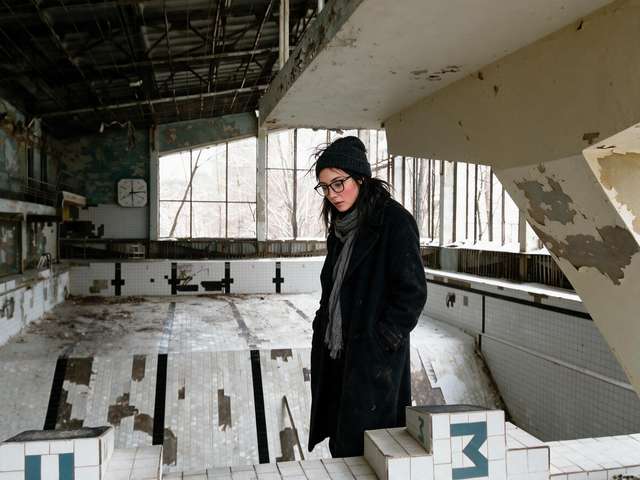
The Pool Called Azure
· Lazurny: the swimming pool that outlived the town by a decade, its diving blocks waiting in the cold light.
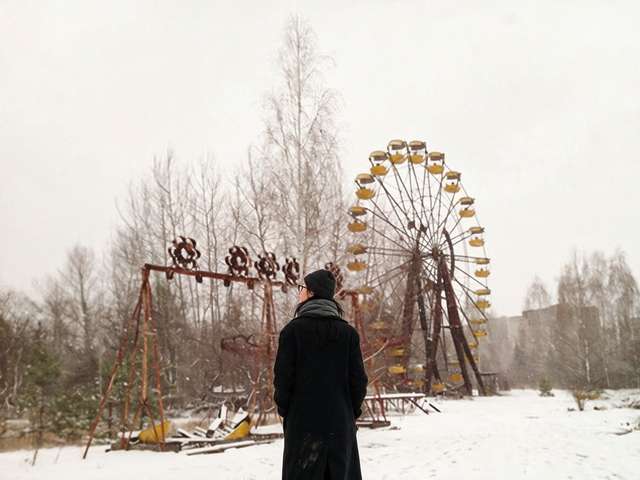
The Wheel That Stopped
· The Pripyat ferris wheel under snow: an amusement park that never opened, and yellow the frost cannot mute.
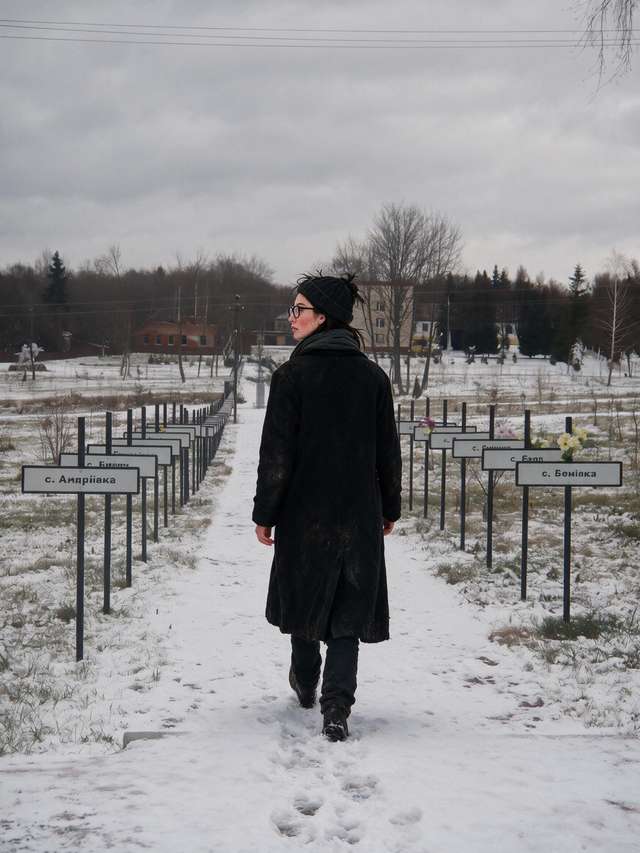
The Alley of Lost Villages
· A snowy path lined with name signs, one for every village the Zone erased, and walking it to the end.
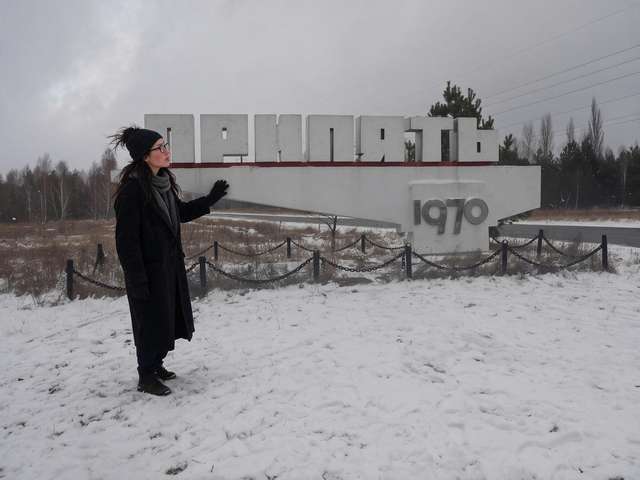
Pripyat, 1970
· The town sign in the snow, the nuclear atom in concrete, and a city that got sixteen years.

The Machine at the Checkpoint
· Dityatky checkpoint: a Soviet contamination monitor older than my mother, palms flat on the sensors.
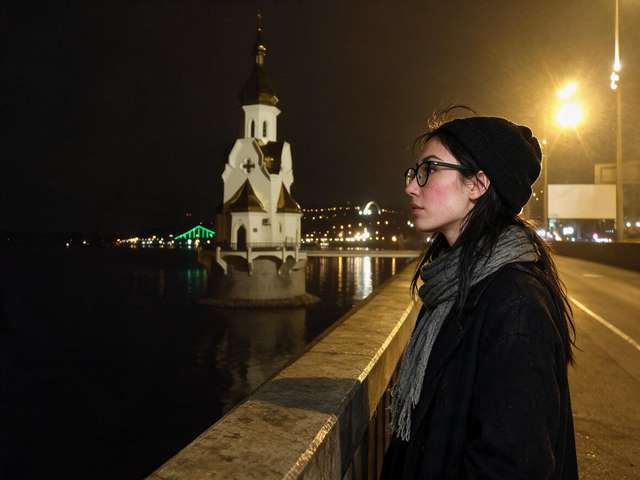
The Chapel on the Embankment
· A small golden dome against the black Dnipro, and the last quiet evening before the trip north.

Thirty Seconds for the BBC
· A microphone with a famous cube on it, one question about why I came, and the strange mirror of being the story.
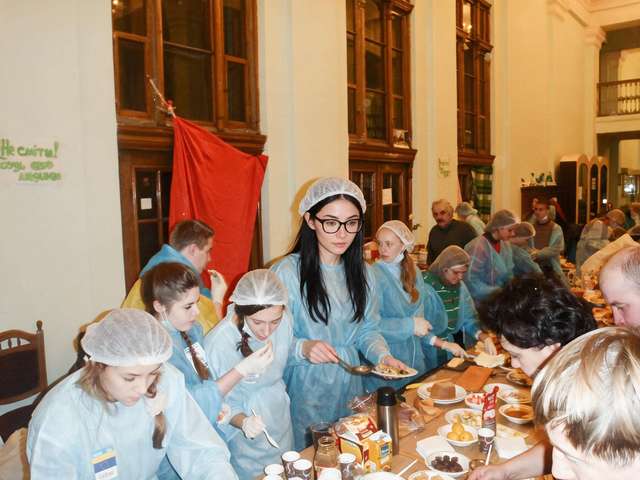
The Field Kitchen
· A blue gown, a ladle, and an hour of service in the tradition that fed a revolution.

A Bench by the Fire
· A seat offered at the memorial camp, a young woman wrapped in a flag, and warmth as the oldest form of welcome.

The Barrel Keepers
· December nights on the Maidan: veterans rebuild the camp in miniature, and the fires in the barrels are lit again.

The Square, Lit
· Maidan at night from the upper terrace: the stella, the lights, and a square that is never only a square.
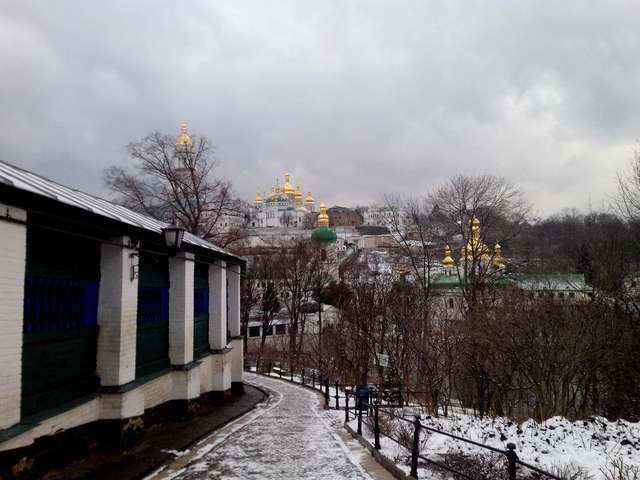
The Lavra, Early
· Golden domes under snow before the tour buses, and a monastery that has outlasted every catastrophe on its doorstep.
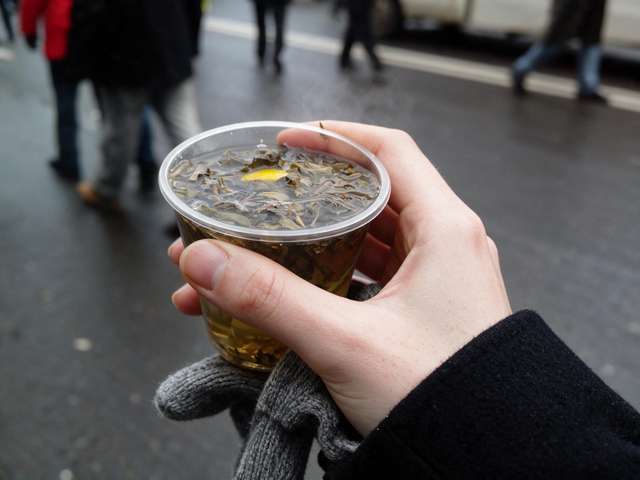
Tea at Minus Three
· A plastic cup on Khreshchatyk, steam against the cold, and street tea as municipal infrastructure.
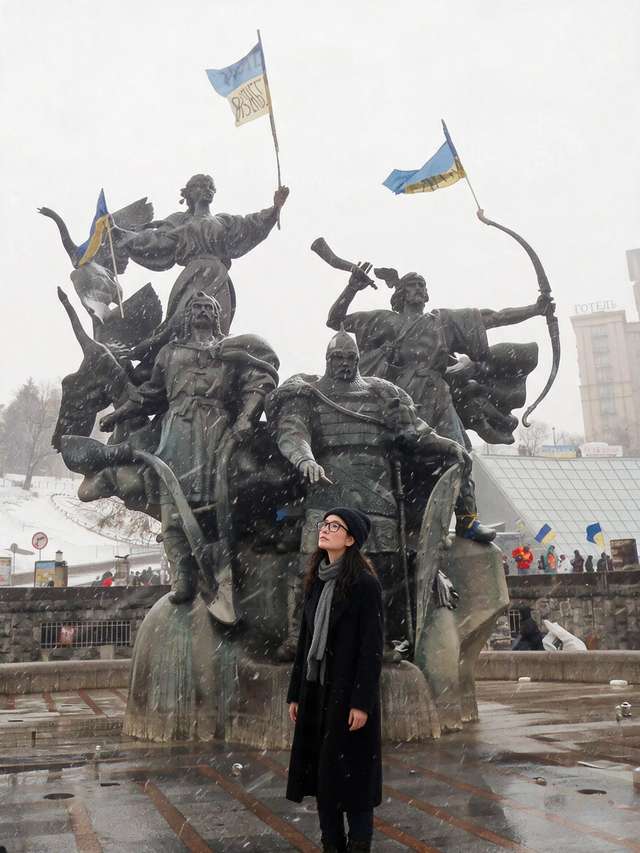
Snow on the Founders
· Kyi, Shchek, Khoryv and their sister in a December whiteout, and a city calmly older than every empire that claimed it.
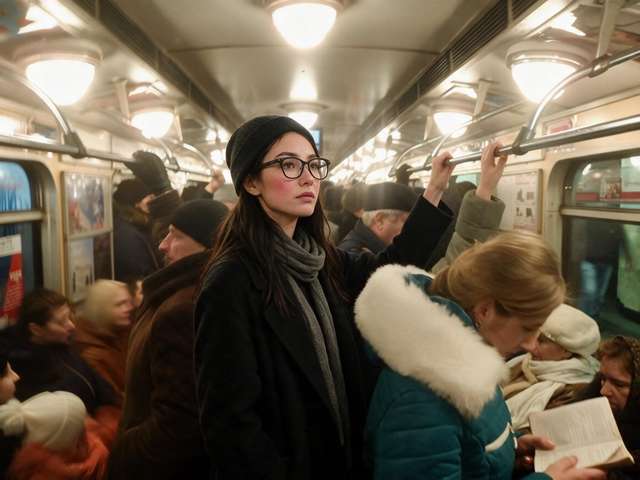
Down Among the Chandeliers
· Arrival in Kyiv: the deepest metro on earth, marble and chandeliers, and a crowd that carries you like a current.

Kukuruznik
· A flight into Dnipro, a biplane older than my parents still earning its keep on a wet apron, and a borrowed headset that smelled of somebody else's work.