ternary dreams
The novel about a computer that counted in thirds, and the trail it left through this blog: the Almaty dissertations, a paper map of Kyiv with a pencil arrow, a diary encoded in balanced ternary. It came out in July 2026. These entries are the making of it, launch nerves included.
20 entries, newest first.
2026
The Lake Before the Next Book
· A dock at Issyk-Kul, a stack of pages held down by a stone, and the first evening of whatever comes after Ternary Dreams.

The Signing Table
· A stranger's three-colour-underlined photocopy of a declassified MESM page, and the good kind of book fair noise.
Reading Nights on Tour
· Two days into the Ternary Dreams tour, what a reading actually demands of a sentence that looked strong on the page.
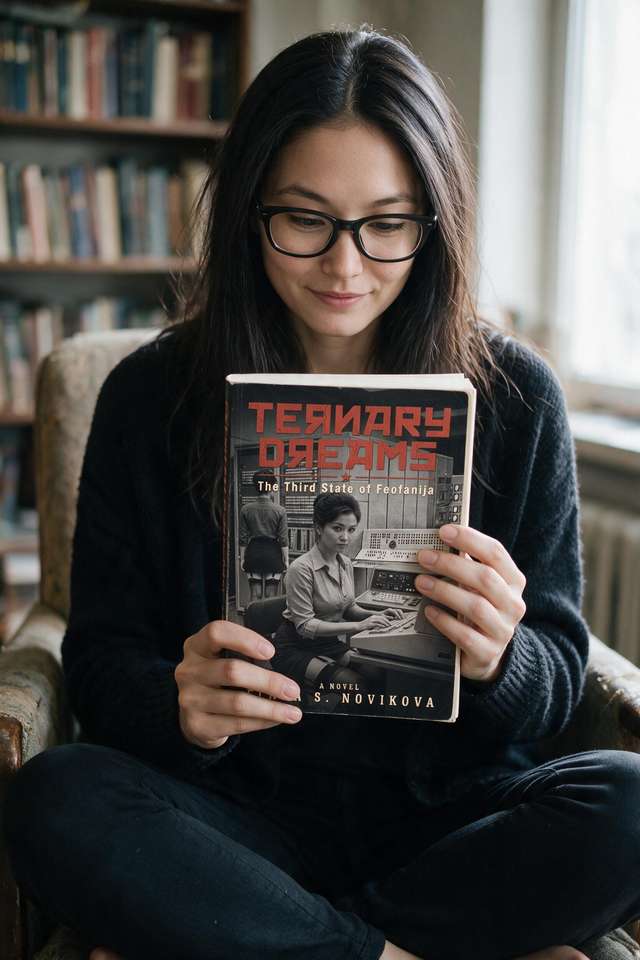
Ternary Dreams is out
· Launch day for Ternary Dreams: what the work asked, what I am proud of, and quiet thanks to the early readers who went first.
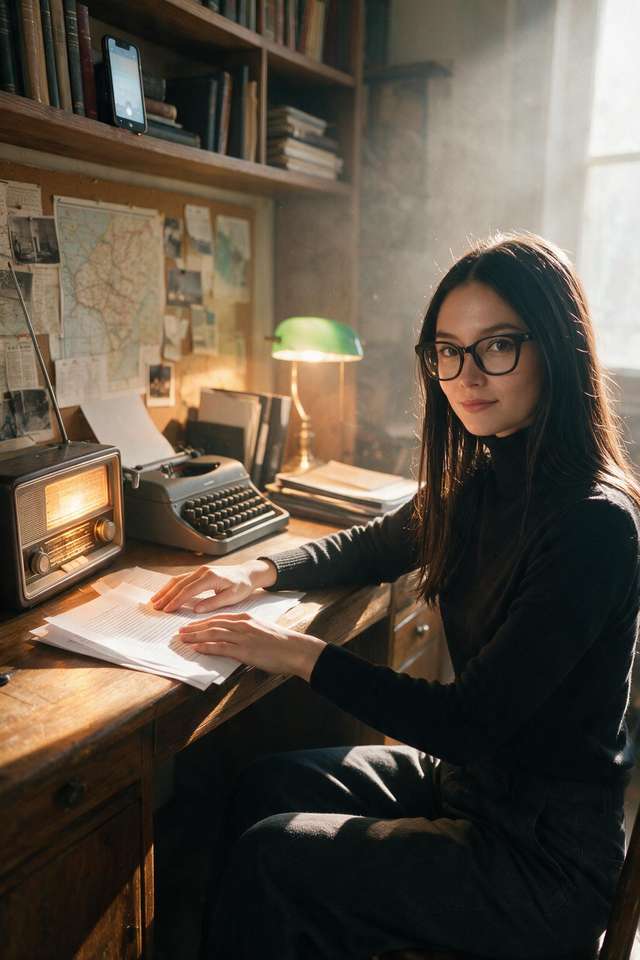
Two weeks out
· In two weeks Ternary Dreams meets the world. The first time the title and a real date sit together on this blog.

Three and a half million
· The same gate, one floor of books, and a free form that answers strangers in two or three working days: the least glamorous door into Soviet computing.

Gate seven, then the depot
· The Polytechnic's collection now lives in an industrial park behind two checkpoints: a booked tour, a named pass, and machines that nobody switches on.
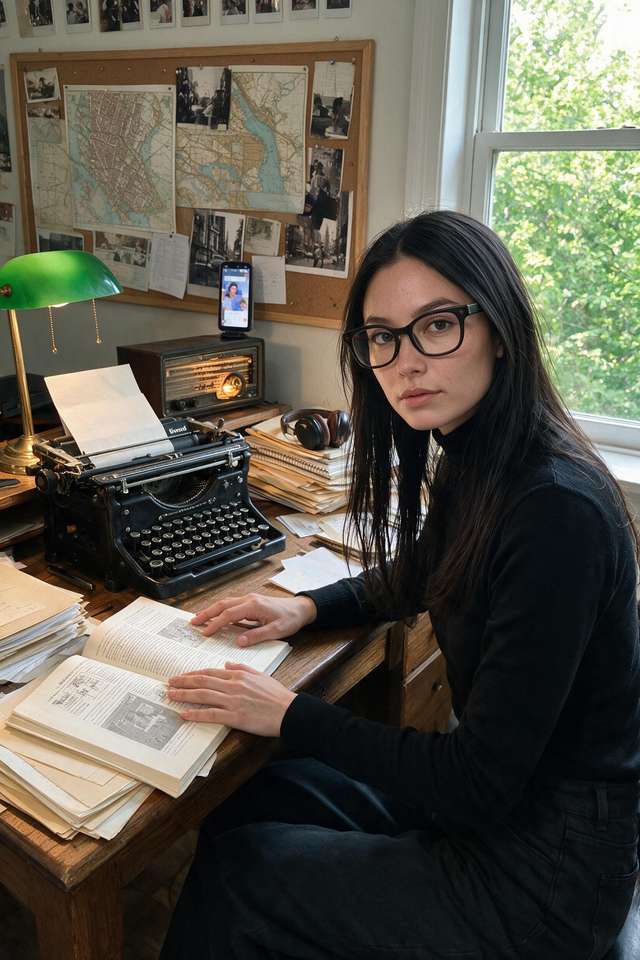
The only ternary computer ever built
· Notes on Setun, Brusentsov, Lebedev, and Ekaterina Shkabara, whose name recedes in the retelling.

Spring Light and the Kyiv Pages
· Home in Bishkek, ten days of notes spread across the table, and the slow turn from travel toward a long essay on Ternary Dreams’ real roots.
Console Time
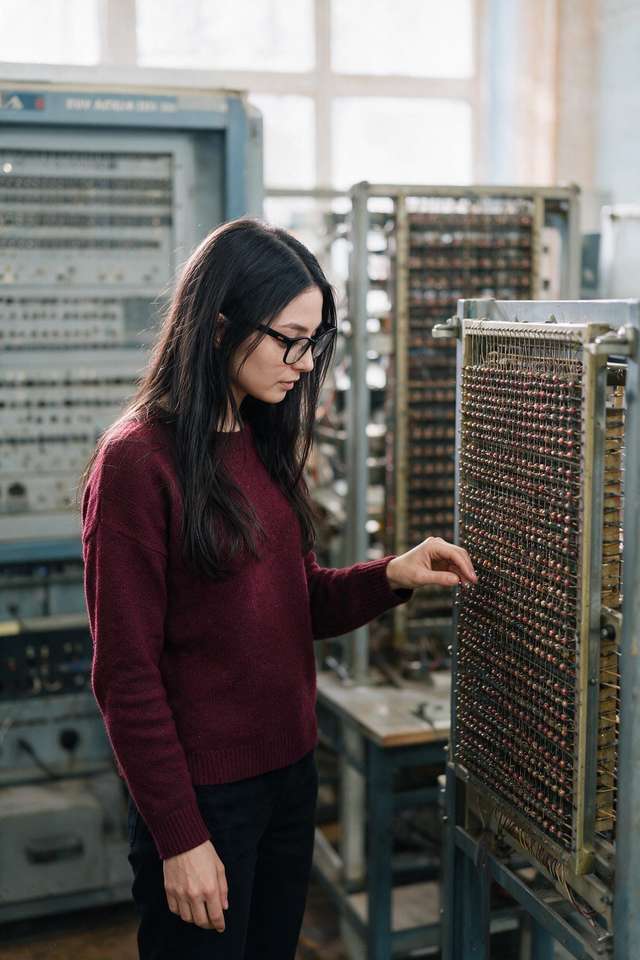
· An afternoon at the console of a Soviet-era mainframe with the people who kept it alive: relay racks, magnetic drums, and the logic of three states.
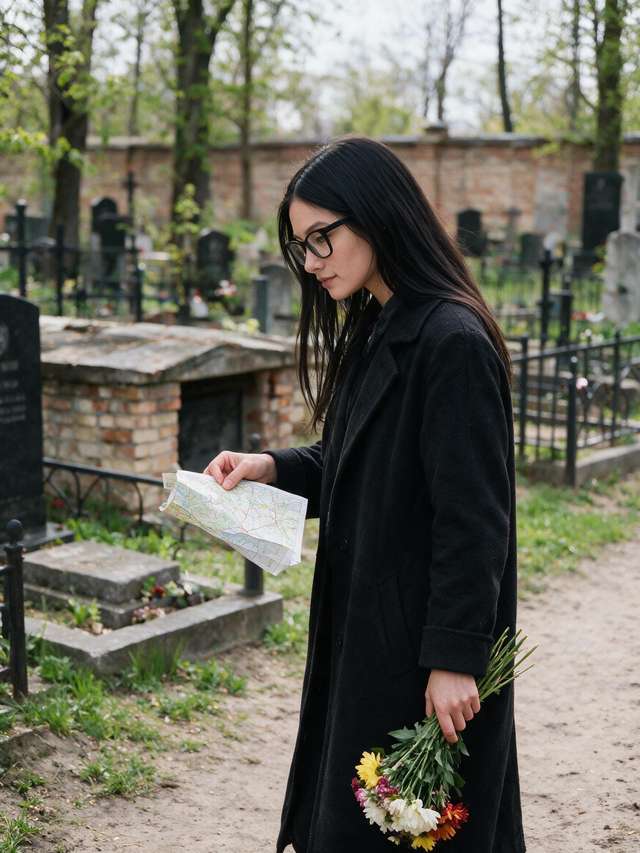
Section unknown
· Hlushkov has a grave with a named sculptor and a named architect. The three women I came to ask about have nothing anybody at the gate could point to.
Machines That Remembered for Us
· A morning among Kyiv’s early computers, and the odd work of researching the real history once the novel is out of my hands.

The plaque at Feofaniya
· A park from opening to closing, a wall beside a convent, and one name on a plaque where three people built the first machine.

Night train to Kyiv
· Arriving by rail via Warsaw for Ternary Dreams research: Feofaniya's quiet, metro air alerts, and respect that refuses to turn a living city into backdrop.
Feofanija
· On researching Kyiv’s Feofanija district as a frame setting, and why a live war can never be treated as scenery.

Reading Toward a District
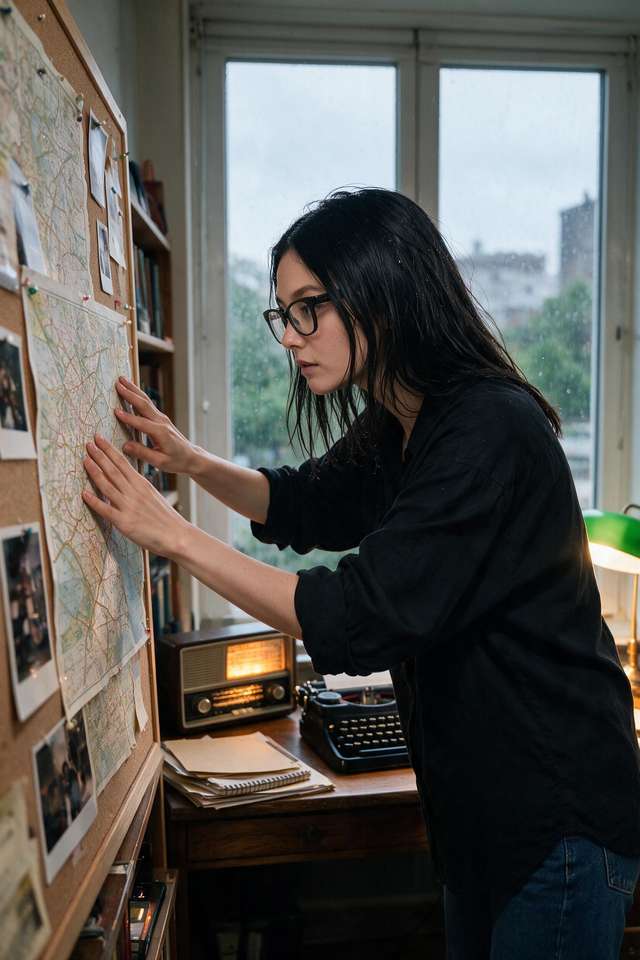
· A paper map of Kyiv, a pencil arrow, and a phone call about which paths still exist.

A diary in code
· On encoding a private diary in balanced ternary, the fictional device at the heart of the new book, and the real machine that made the idea feel possible: Setun.

A third state
· Early research notes on a new novel about Soviet computing, balanced ternary logic, and why a third state beyond yes and no feels like the right shape for hidden lives.
2025

The dissertations are all here
· Day two in Almaty and a different building: the academy's complete run of dissertations, a school of remainders, and two names that belong in my book.

Almaty again
· Back in the Kazakh archives on a loose thread left from Ternary Dreams, without knowing yet whether it wants to become anything.