research
How the books actually get made: reading rooms, request forms, dead links resurrected from web archives, and questions I carry to the buildings where the answers used to work. Some of it ends up in a manuscript. The rest ends up here, because an unused hour in an archive still refuses to be nothing.
88 entries, newest first.
2026
The credits screen
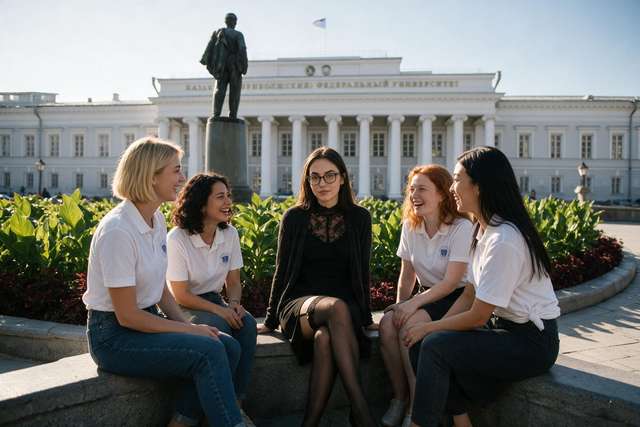
· Three names sit at line 1366 of a Soviet teaching game, behind a door almost nobody opens. I went to Kazan to stand in front of the building where they worked.
The April issue
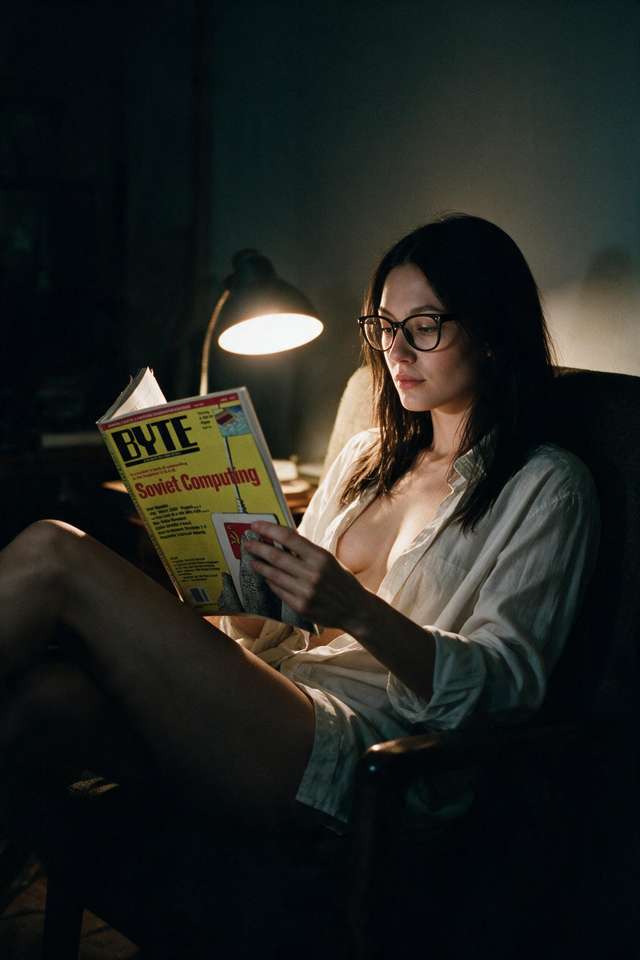
· I have wanted this one issue for years, and this morning it was lying on a folding table under a bread tin.
Behind the glass
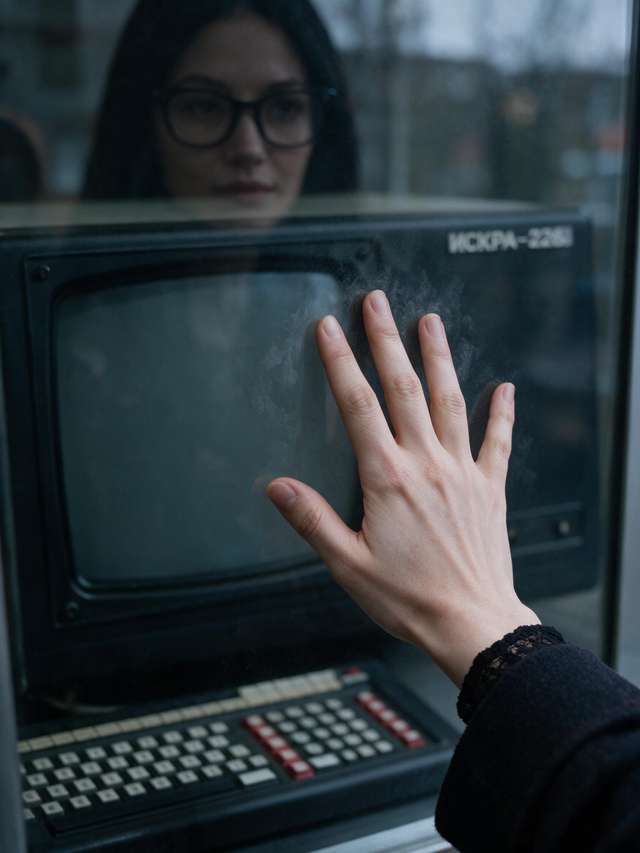
· An afternoon in Riga between the facades and the reading: a display case, an Iskra-226 reported there in 2016, and nobody in the house who can say whether it ever had power.

Baikonur dawn notes
· An early research tangent on Baikonur that never entered the manuscript, and why some unused hours still refuse to leave.
Notebook on the Long Train
· Writing in transit across a long rail stretch: the texture of research notes taken half on purpose, half because standing still had become impossible.
880
· A dead link, a crawler that happened past in 2016, and six disk sides I owe to two strangers who have handles instead of names.
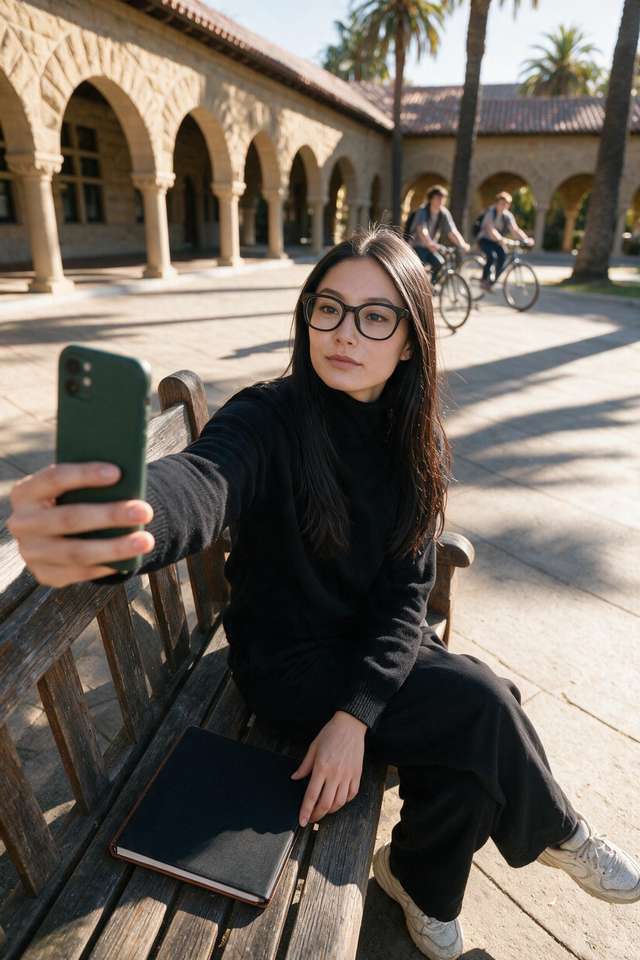
Courtyard Bench, Palo Alto
· On a research-adjacent return to the Symbolic Systems courtyard, and the gap between the student who sat there and the novelist who sits there now.

Quad Light, Ocean Fog
· Walking the sandstone arcades again, City Lights, Ocean Beach in the mist: fond and foreign toward the person who once thought she knew what she would write.

A Name in the Declassified File
· The small, particular jolt of finding one real name that had only ever arrived secondhand, and what it costs to write near it.
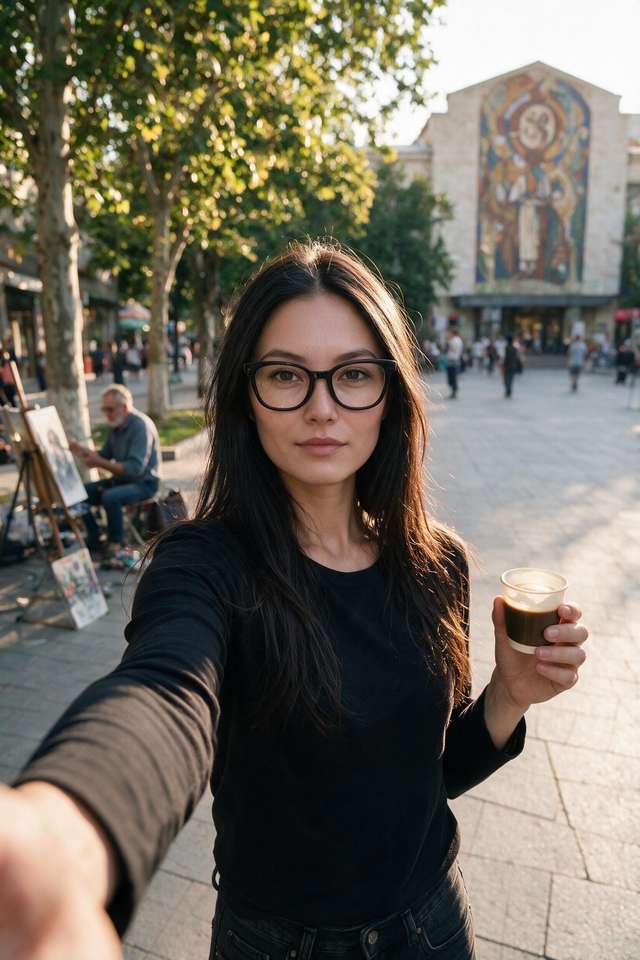
Almaty cafe corner
· Working through Kazakh-archive threads on Soviet computing history in an Almaty cafe, with mountain light on the table.
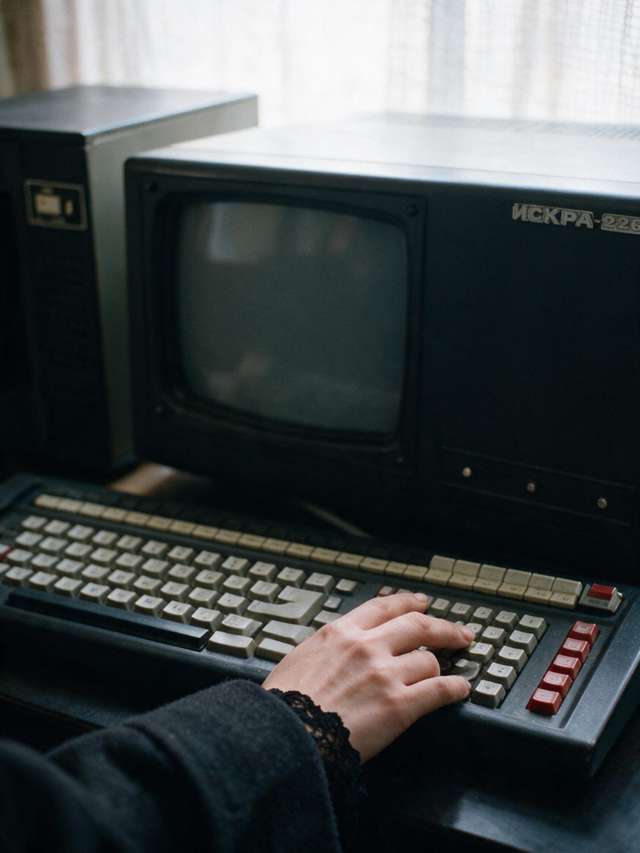
Standing at the machine
· A private flat in Almaty, four hours of road from my kitchen: a complete Iskra-226 with two drives and a plotter, and a screen that has not held a picture in years.

Moldova, library desk
· An afternoon at a library desk in Moldova, chasing one thread and pocketing scraps meant for other books.

Three and a half million
· The same gate, one floor of books, and a free form that answers strangers in two or three working days: the least glamorous door into Soviet computing.

Gate seven, then the depot
· The Polytechnic's collection now lives in an industrial park behind two checkpoints: a booked tour, a named pass, and machines that nobody switches on.
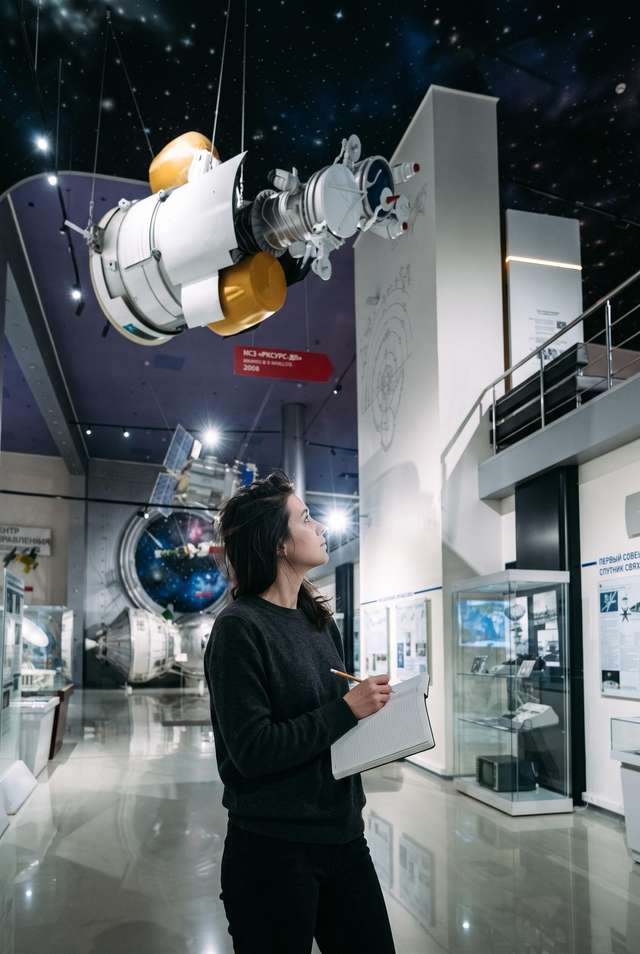
Cosmonautics museum pages
· A research day at Moscow’s Museum of Cosmonautics: spacecraft models, borrowed light, and notes that feed the work sideways.
The only ternary computer ever built
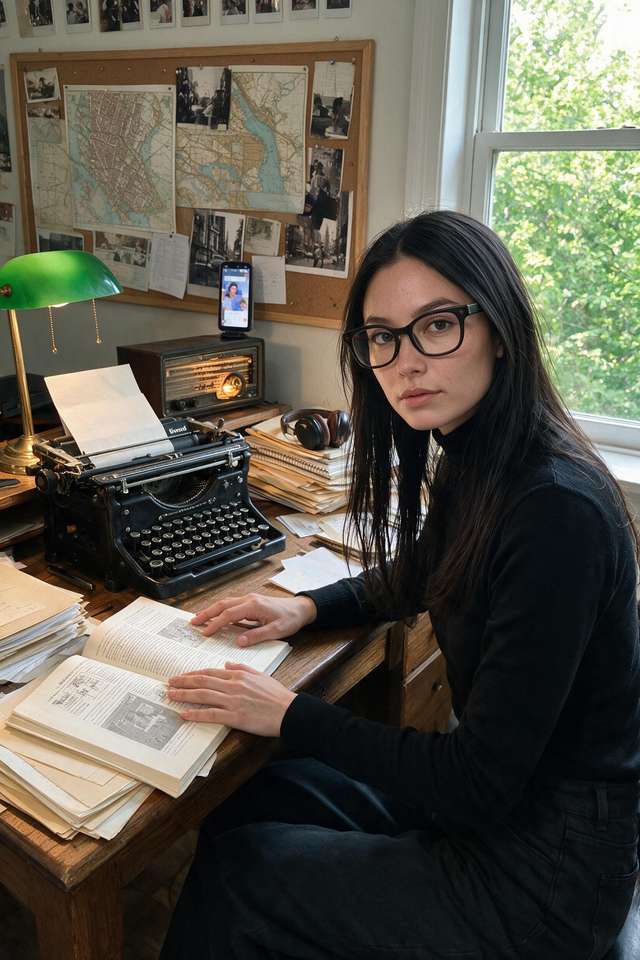
· Notes on Setun, Brusentsov, Lebedev, and Ekaterina Shkabara, whose name recedes in the retelling.

Two hundred fifty-six thousand two hundred fifty-six
· The last afternoon in Kyiv, a machine that reads magnetism instead of files, and one multiplication I did twice because I did not believe it.
Console Time
· An afternoon at the console of a Soviet-era mainframe with the people who kept it alive: relay racks, magnetic drums, and the logic of three states.
The room never emptied
· I went early, before the school groups, and I had it in my bag the whole morning. This is the part of that day I did not publish.
Section unknown
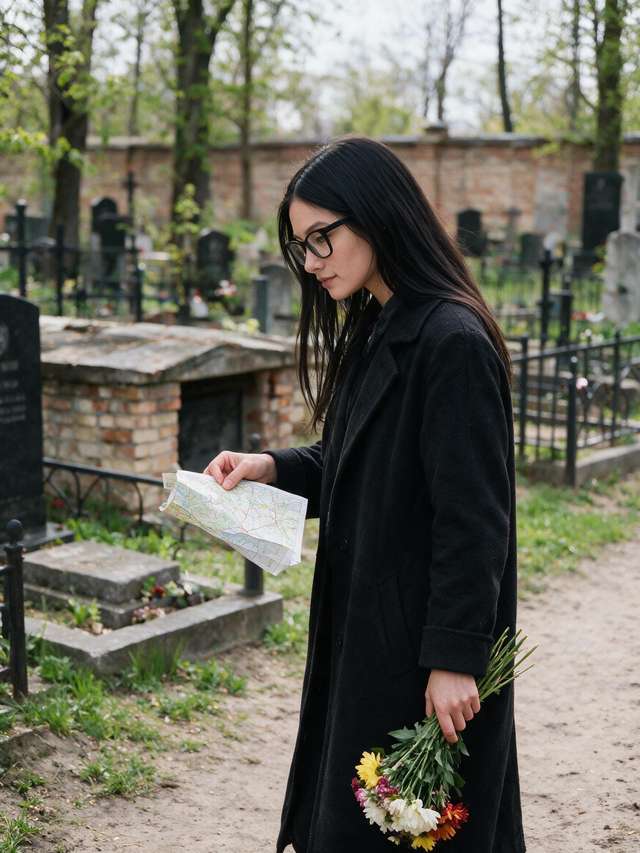
· Hlushkov has a grave with a named sculptor and a named architect. The three women I came to ask about have nothing anybody at the gate could point to.
Machines That Remembered for Us
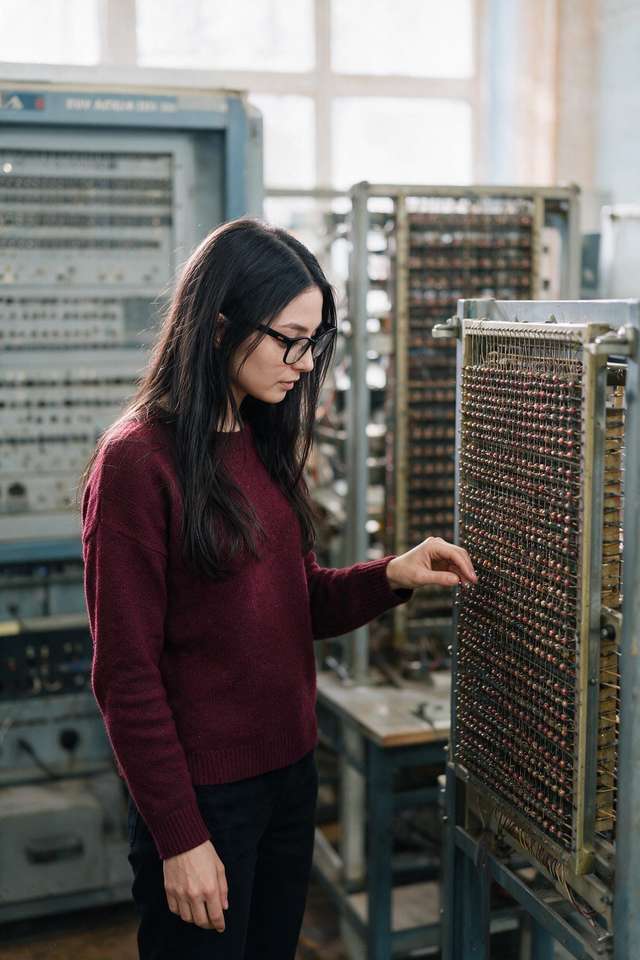
· A morning among Kyiv’s early computers, and the odd work of researching the real history once the novel is out of my hands.

The plaque at Feofaniya
· A park from opening to closing, a wall beside a convent, and one name on a plaque where three people built the first machine.

Night train to Kyiv
· Arriving by rail via Warsaw for Ternary Dreams research: Feofaniya's quiet, metro air alerts, and respect that refuses to turn a living city into backdrop.
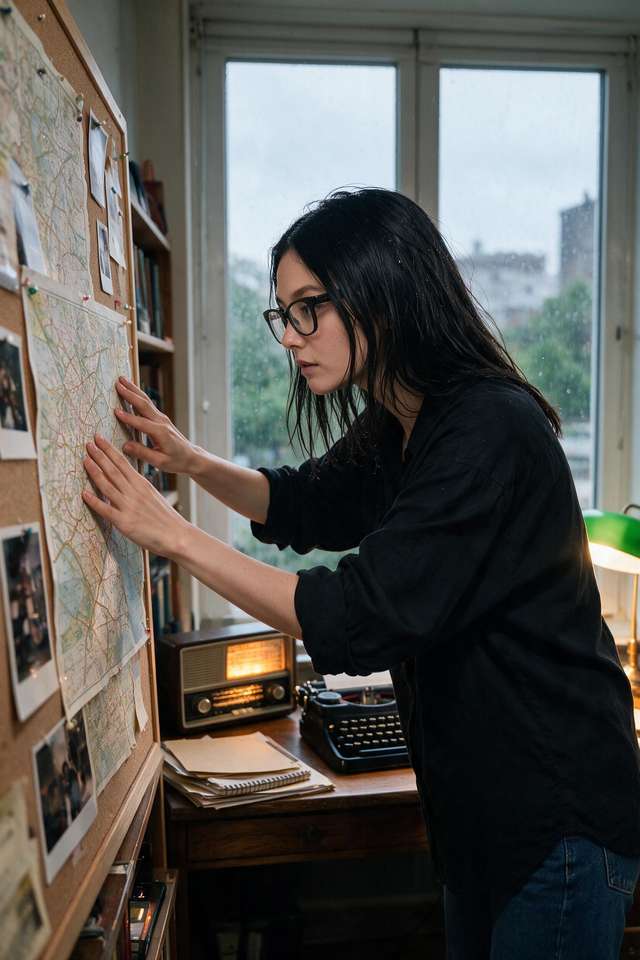
Feofanija
· On researching Kyiv’s Feofanija district as a frame setting, and why a live war can never be treated as scenery.

Reading Toward a District
· A paper map of Kyiv, a pencil arrow, and a phone call about which paths still exist.

A diary in code
· On encoding a private diary in balanced ternary, the fictional device at the heart of the new book, and the real machine that made the idea feel possible: Setun.

A third state
· Early research notes on a new novel about Soviet computing, balanced ternary logic, and why a third state beyond yes and no feels like the right shape for hidden lives.

Read in his absence
· A congress volume of 1912 as a scan: one sentence on printed page 626, an author prevented from appearing, and a hall in Graz I have never seen.

The institute says no
· From a Tbilisi guesthouse, the successor institute's own page on Ivanov: he helped organise the nursery, he never worked there, and the experiments are not documented.

As close to Sukhumi as the rails allow
· Two weeks in a Tbilisi courtyard, sulphur steam, and a slow Black Sea train that stops where the timetable and the border both freeze.

The mine that started it
· Thirty kilometres southwest of Osh, an exhausted radium mine with its adits open, spoil heaps that still read hot, and the beginning of the entire chain.
2025

The library the industry built
· The corporation that owns the plants also runs a free digital library about itself, which is where the women of this book actually live: memoirs, jubilee volumes, flattery.
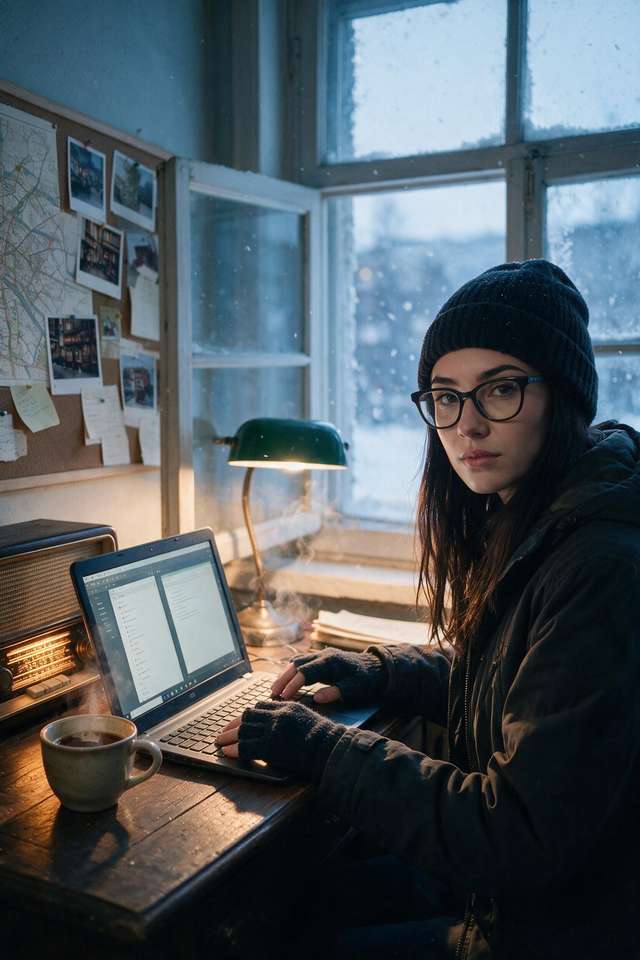
The reserve in twenty three volumes
· The journal of Askania Nova is online back to 2000, which is now the only way in: counts, plots, methods, and an institution under occupation.

Point twenty six
· The trip died in one sentence of a decree from 1996: foreign citizens, private matters, entry restricted, and no line in the procedure with room for me.

The Parliament After Dark
· The Supreme Soviet at night: floodlights, symmetry, and a state performing statehood to an empty street.

The T-34 on the Plinth
· The tank as civic furniture: a veteran of 1944 aimed at the November sky, and the skepticism it patiently ignores.

Lenin, Still Standing
· The granite coat before the Supreme Soviet: the statue every other city removed, still supervising his square.
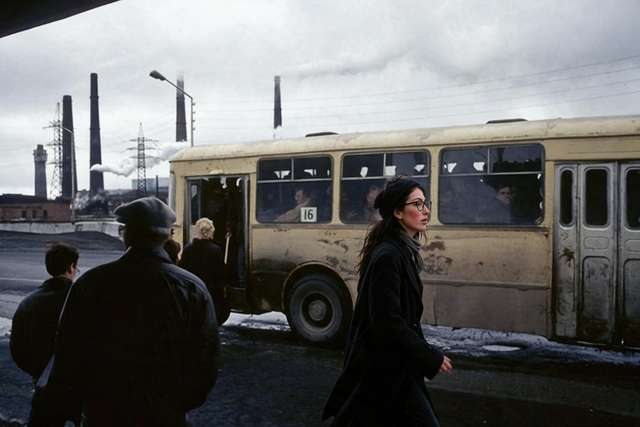
Smokestacks and a Trolleybus
· Across the Dniester into a country that officially does not exist: first frame, industry and a battered trolleybus.
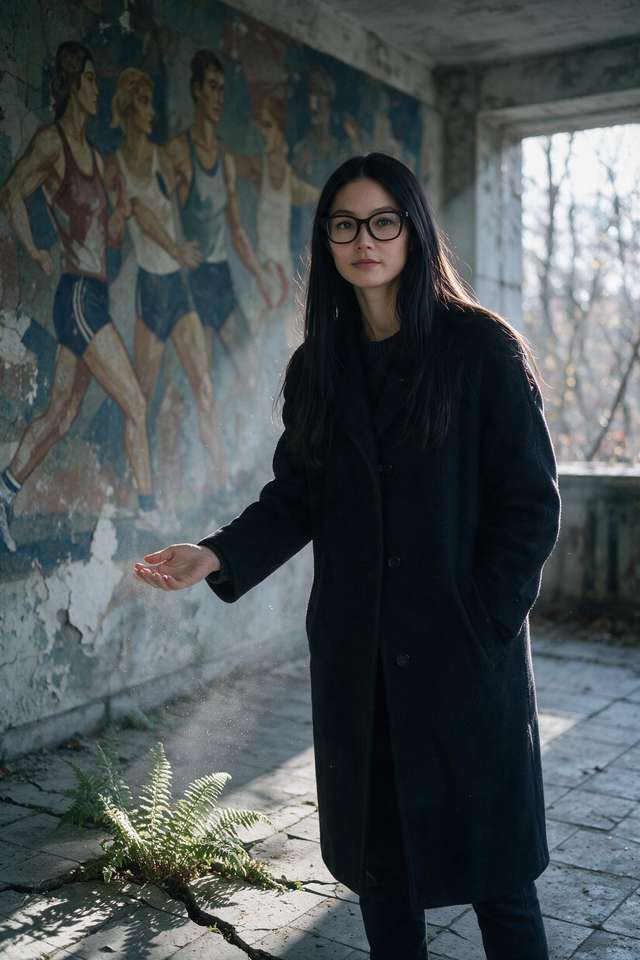
An abandoned sanatorium in Moldova
· Cold rain in Chisinau, old hospital papers, wine cellars, and the central market: returning to the landscape of Ivanov's Ghost to deepen the companion archive, not to begin again.

A letter to Karaganda
· One email to a museum in central Kazakhstan: rocket fragments, drop zones, and a question the museum's own pages do not answer.

The dissertations are all here
· Day two in Almaty and a different building: the academy's complete run of dissertations, a school of remainders, and two names that belong in my book.

Almaty again
· Back in the Kazakh archives on a loose thread left from Ternary Dreams, without knowing yet whether it wants to become anything.

The wrong Ivanov
· Three point three million records, one exact name match, and a man who was shot in 1919: how close a novel came to carrying somebody else's death.
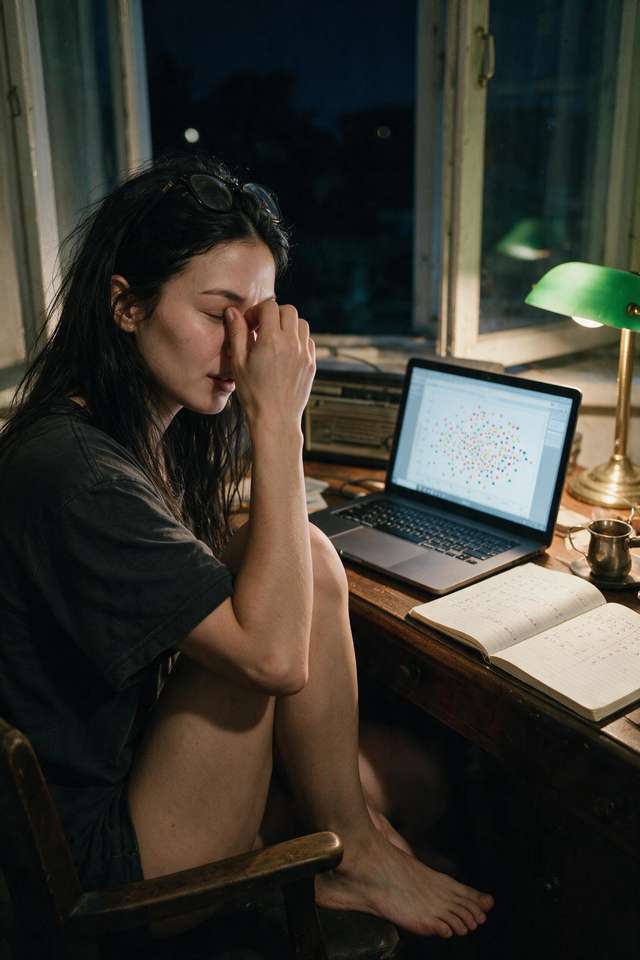
Counting other people's receivers
· An evening with a map of receivers instead of a receiver: hundreds of antennas in other people's gardens, twenty three in Finland and Poland, none here.

The museum that is not there
· A last morning in Baku spent looking for a collection of radio equipment that does not appear to exist, and an afternoon of coins in an oil merchant's palace instead.
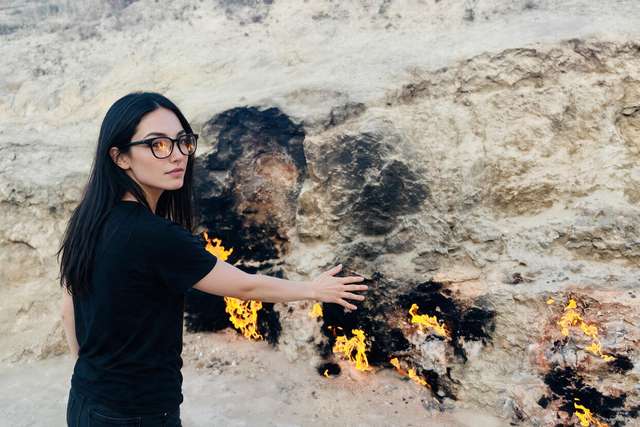
The Hill That Burns
· Yanar Dag at dusk: a slope that has been on fire longer than anyone's grandmother remembers, and a hand held to the planet's pilot light.
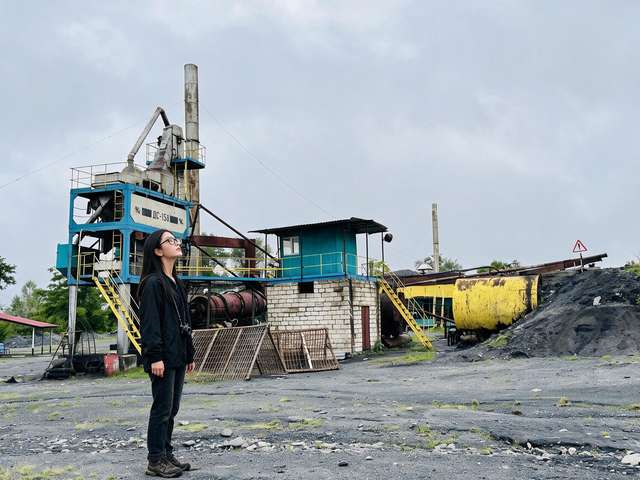
ДС-158
· An abandoned asphalt plant with its type plate still legible: industrial ruins as regional literature.
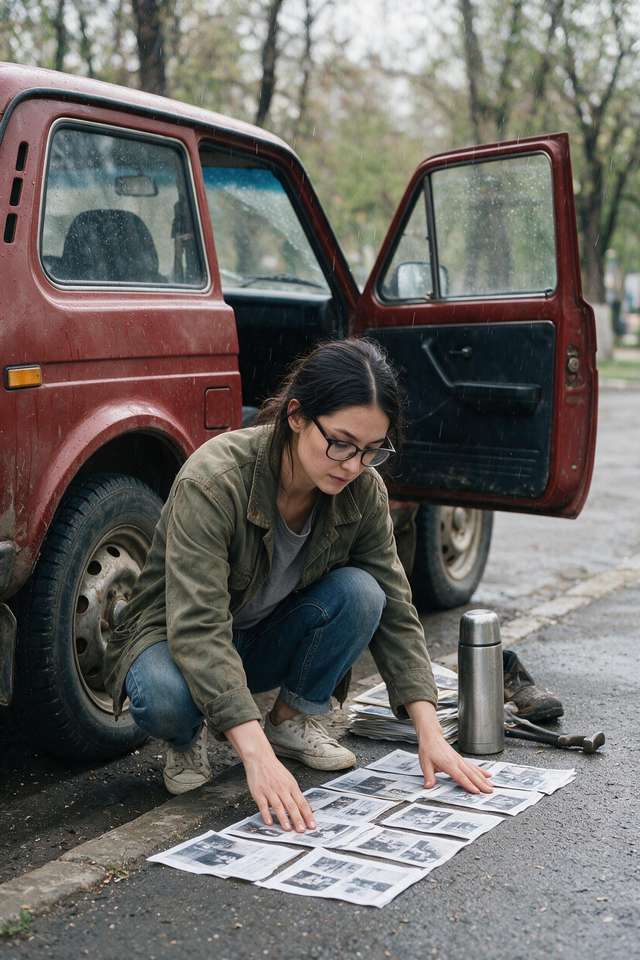
The Back Seat Archive
· Loose photocopies, one hard brake, and several hundred pages redistributed across a Niva footwell. Curb-side re-sorting with a tire iron for a paperweight.
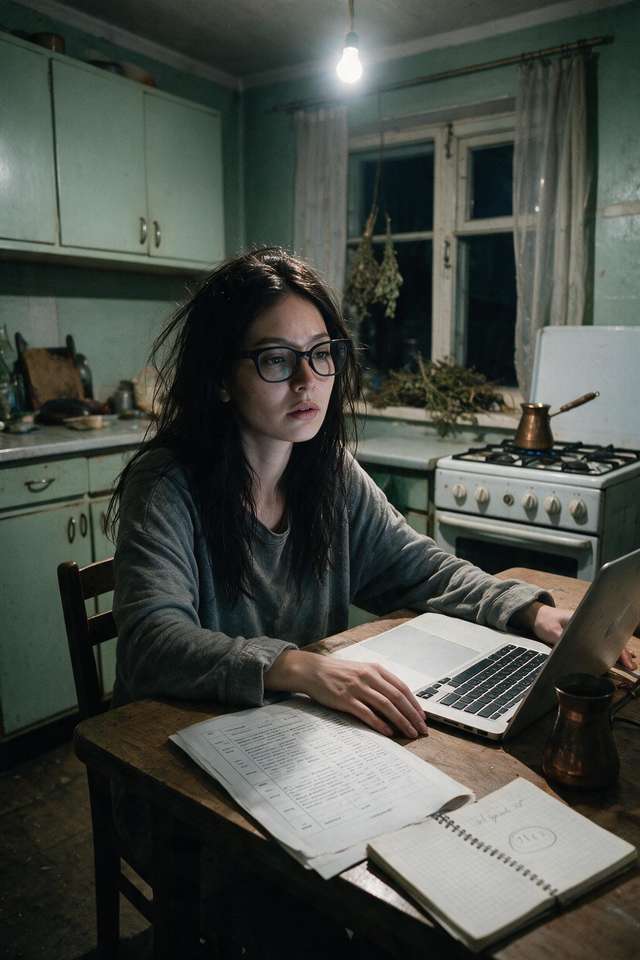
Three hundred and nine files
· A finding aid downloaded to the kitchen table: a design bureau in Frunze, three hundred and nine files, and a register of who was cleared to know.
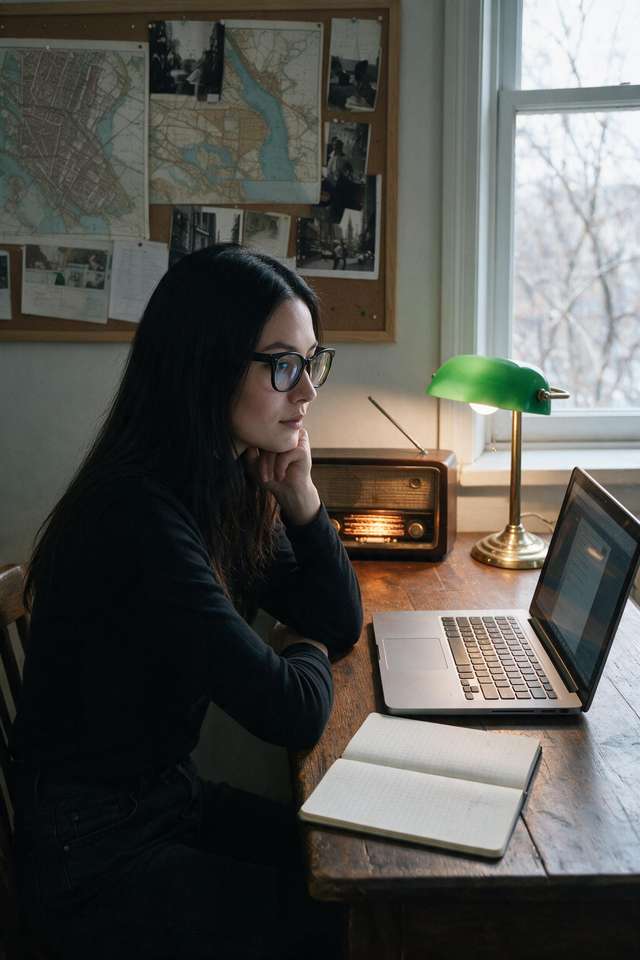
The woman on the title page
· Somebody scanned a stack of Soviet manuals and put them where anyone can have them. On one title page from 1987 there is a woman's name and almost nothing else.
2024
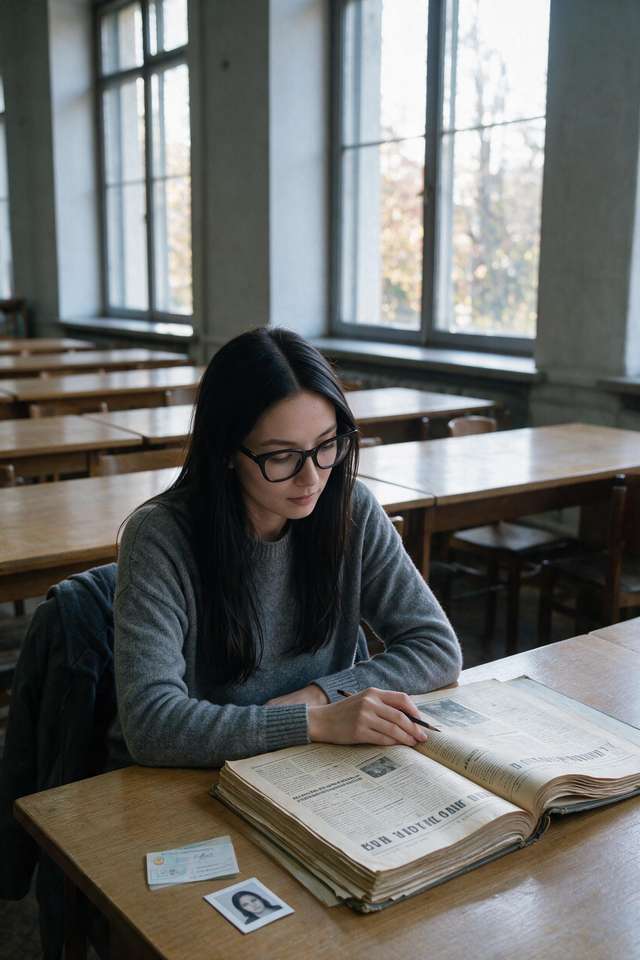
Looking for August 1964
· Forty som, a photograph three by four, and a week of republican newspapers that will not confirm the story the whole valley tells.

A Ledge in the Skeleton
· Inside the unfinished blocks: concrete cells open to the weather, and a seat on the ledge of an apartment that never was.
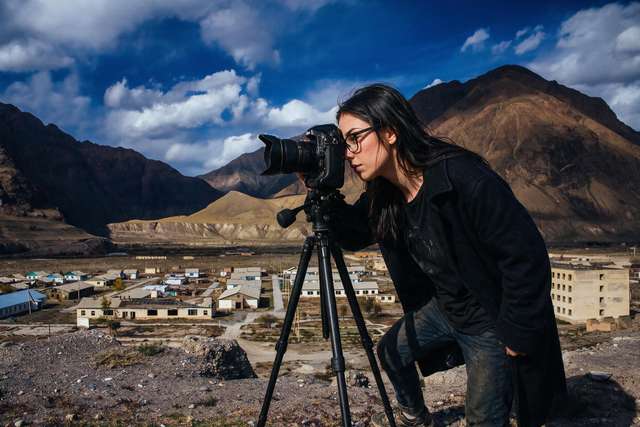
The Town From the Ridge
· Above Engilchek with the D5 on the tripod: a tin town built for a mine that closed before it mattered.

Gold on Paper
· The day's yield on a creased sheet: a pinch of flakes, two hands steadying it, and the price of everything visible at once.
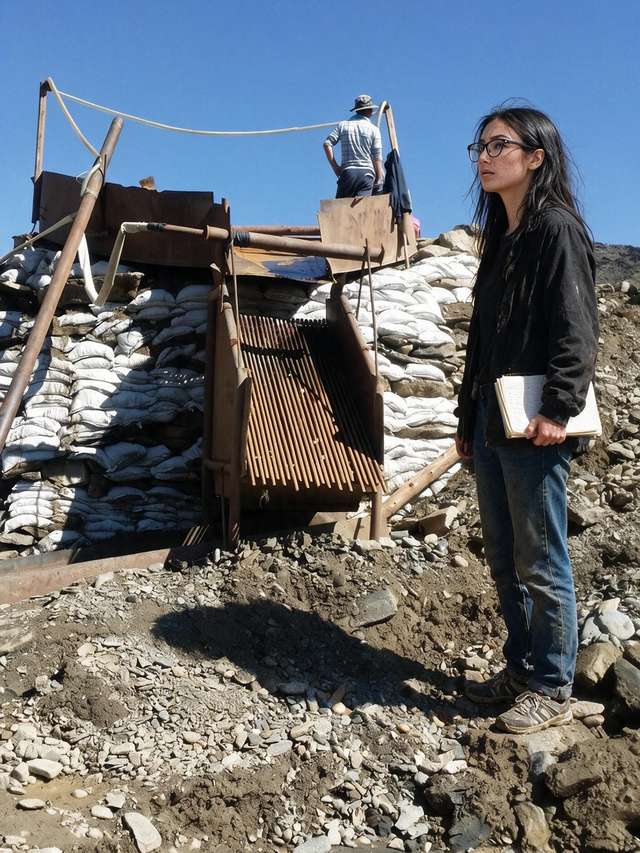
The Ninja Miners
· Artisanal gold at the sluice: the informal economy in rubber boots, watched politely from the rim.
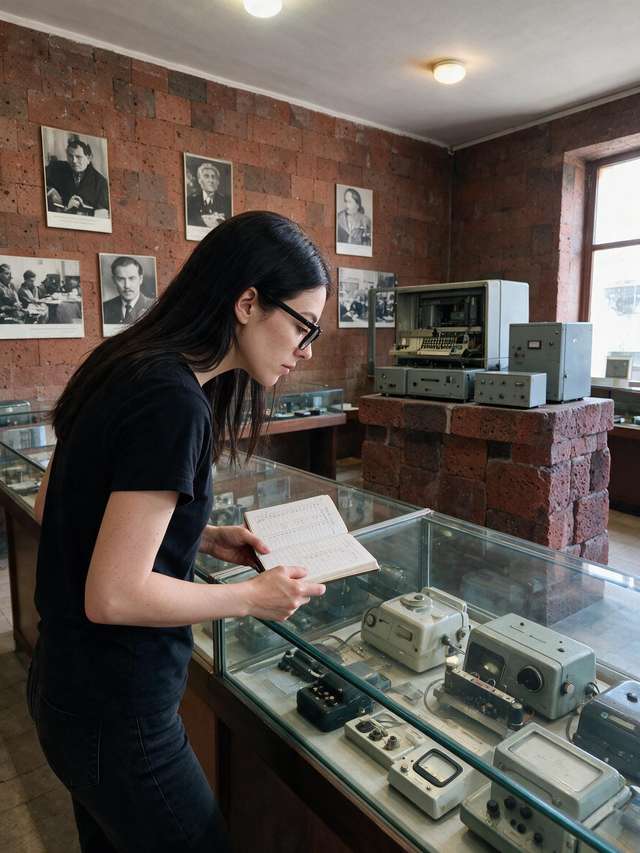
The Museum You Telephone
· Yerevan, Nor Nork: a technology museum that opens by appointment, control units from a microelectronics institute, and the boxes a voice has to live in.
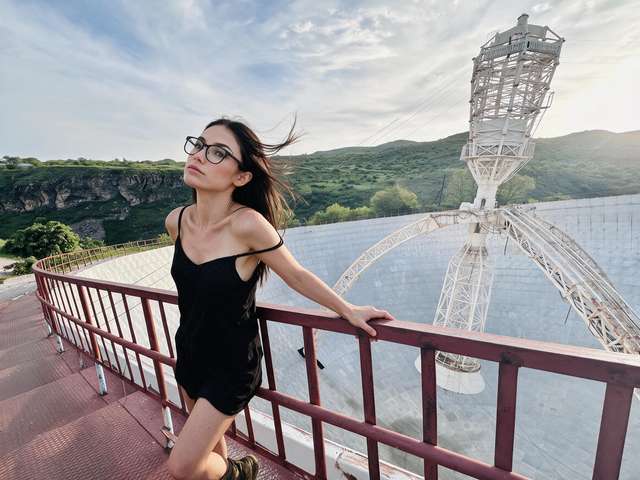
The Dish at Orgov
· ROT-54 at evening: a giant ear in a gorge, rust on the railings, and the reason this whole trip exists.
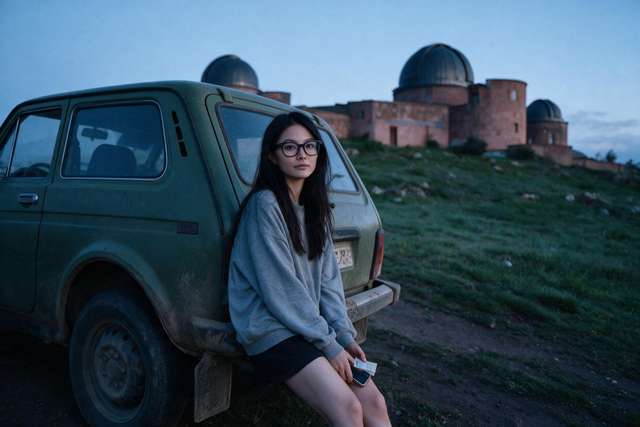
The Dome Above Byurakan
· A booked hour on the south slope of Aragats: a nine hundred dram ticket, a telescope from 1975, and a department that became its own institute.
2023
Prayer Flags and Yaks
· What high altitude does to a body and to attention, chased across the Tibetan plateau for a research thread I cannot yet name.
The Door to Hell
· A hunch-driven detour to Turkmenistan's burning crater, and what it taught me about writing an unexplained signal.
The Long Way to the Sources
· A coolant break on the Pamir Highway, an implausibly turquoise river, and what endurance is teaching this research.
Small Plane In
· Reaching a stretch of mountains no rental car would insure, on the way to remote fieldwork for the numbers-station book.
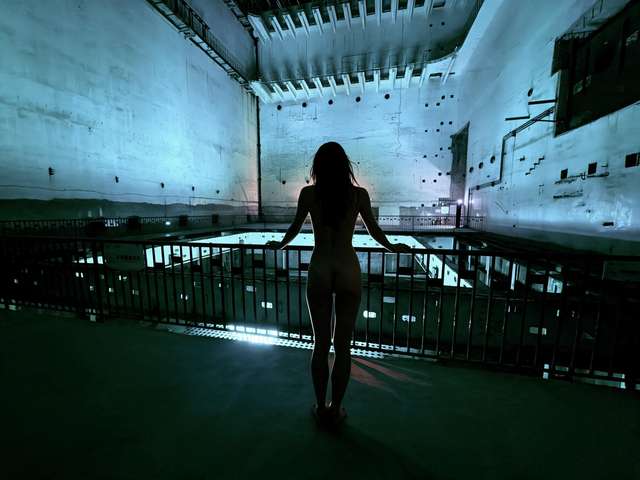
The Cathedral That Never Went Critical
· The reactor hall of Project 816: twenty storeys of cavern, a pit that never held fuel, and the end of the road from the dance floor.
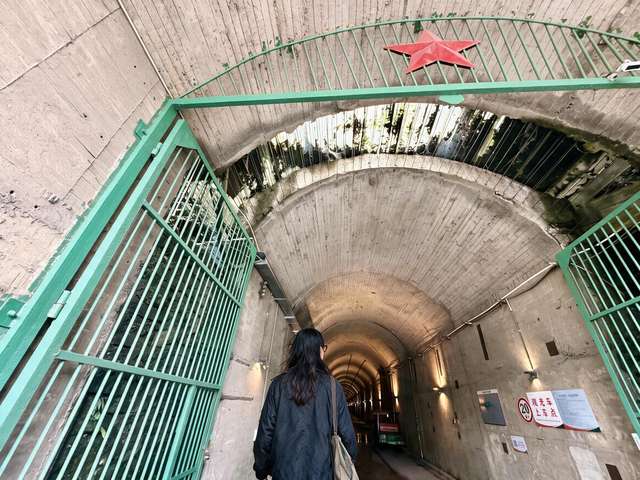
The Gate in the Mountain
· The 816 portal: green gates open, a red star overhead, and a tunnel that swallows scale on the way in.

The Shop Below the Mountain
· Baitao: the town that was built for a secret, a village shop with festival stock, and neighbors of a hollow mountain.

The Wheel at Dazu
· The Wheel of Rebirth in the sandstone at Baodingshan: all of existence in one carving, inspected before the reactor.

Incense by QR Code
· A monastery basin, one yuan by phone, and the oldest transaction on earth running on the newest rails.
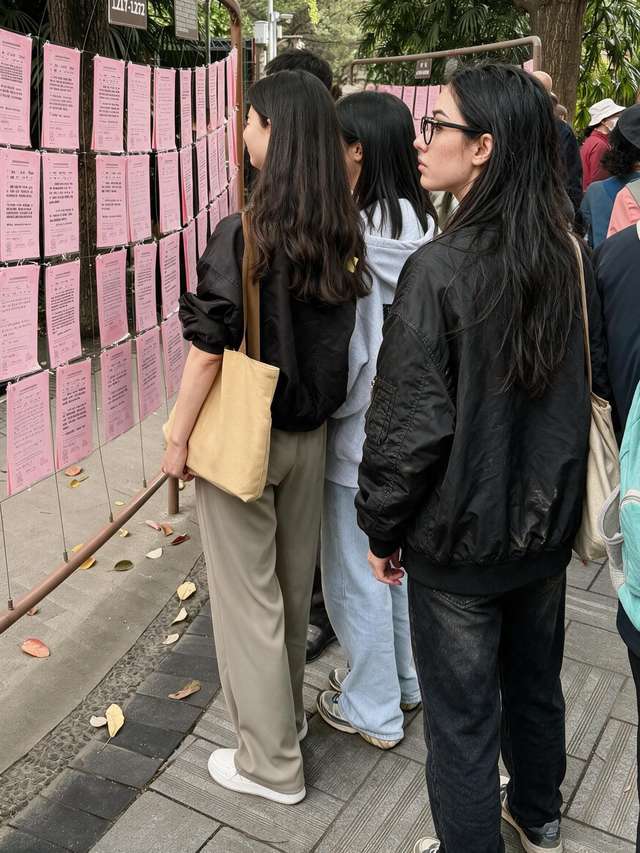
A Market of Résumés
· The marriage market in People's Park: pink paper, hard numbers, parents as agents, and love as an archive.

The Hotel Where They Danced
· The Beijing Hotel by daylight: three buildings, one century, and a ballroom where the Chairman took his turns.
Nights on 4625 kHz
· A shortwave receiver, headphones, a map of Russia on the table, and the buzz that never stops.
2022
The Questions the Exhibits Do Not Answer
· A museum notebook full of orbital modules and life-support diagrams, and the gap where the bodies should be.
Ships on Dry Land
· Rusted fishing hulls on dry seabed, a vanished island, and the first notes toward a book that does not exist yet.
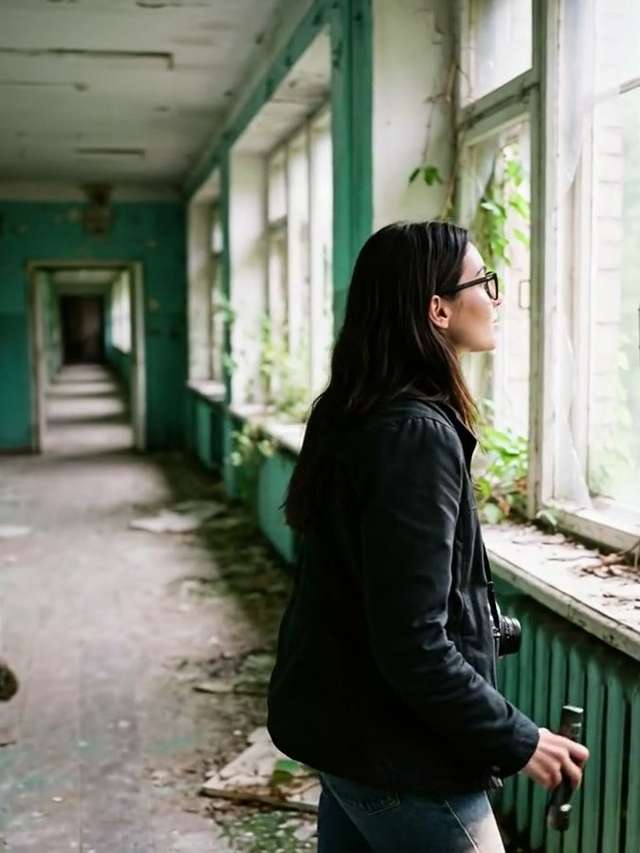
Flashlight Hours
· Flashlight visits to abandoned sanatoria: the wards, the basements, and the paperwork nobody thought worth taking along.
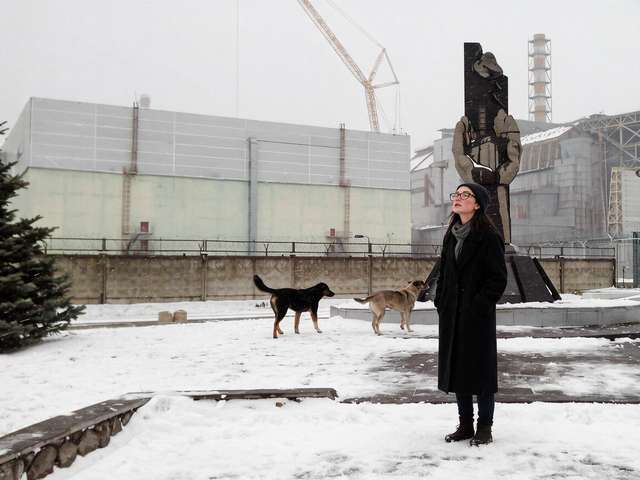
The Monument and the Dogs
· The liquidators' memorial with its permanent honor guard of strays, and feeding what the Zone left behind.
2021
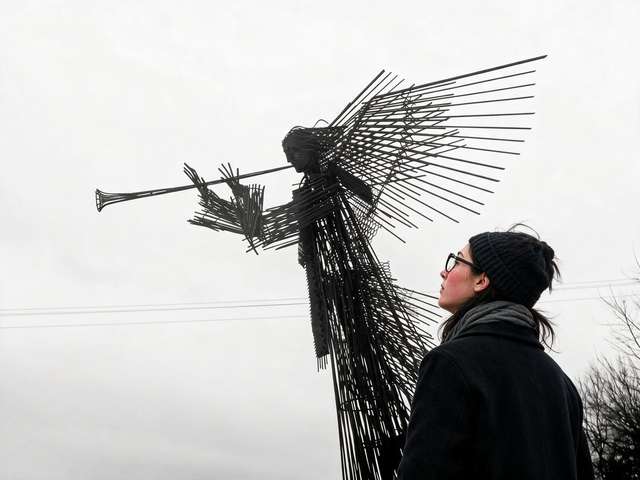
The Trumpet Angel
· The Third Angel of Chornobyl: a wormwood monument in welded steel, blowing its trumpet over the snow.
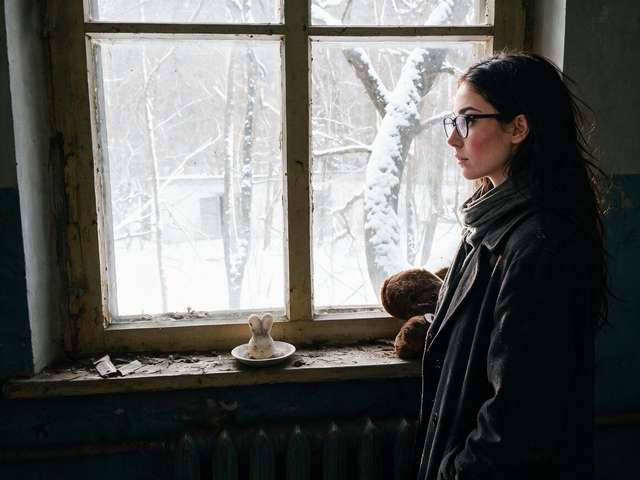
The Windowsill
· Small things left on a broken sill, the view through empty panes, and the Zone's genre of accidental still life.

Hotel Polissya
· The tallest ruin on the square: the hotel that watched the evacuation, letters still on its roof.
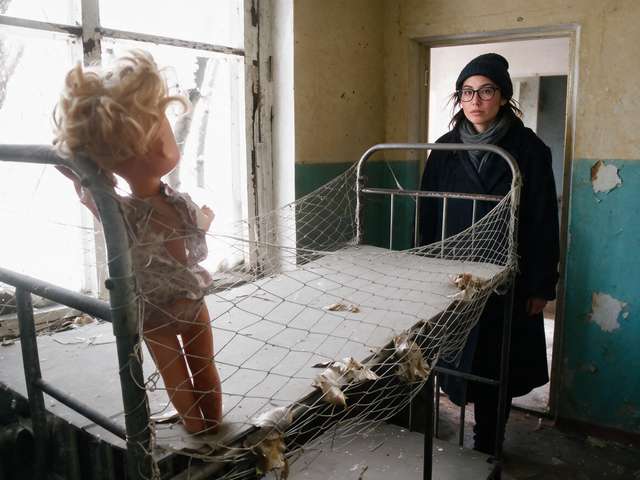
The Cot by the Window
· A mesh-sided cot in the nursery light, and standing in the doorway rather than entering.

The Doll and the Primer
· A kindergarten bench, an open alphabet book, a doll someone posed years ago, and what to do with arranged grief.
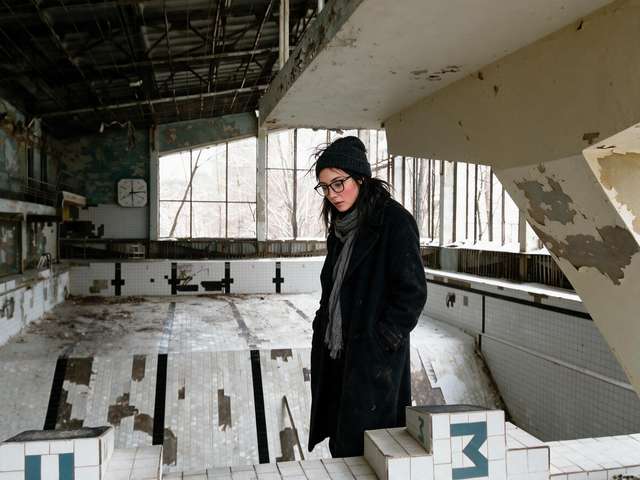
The Pool Called Azure
· Lazurny: the swimming pool that outlived the town by a decade, its diving blocks waiting in the cold light.
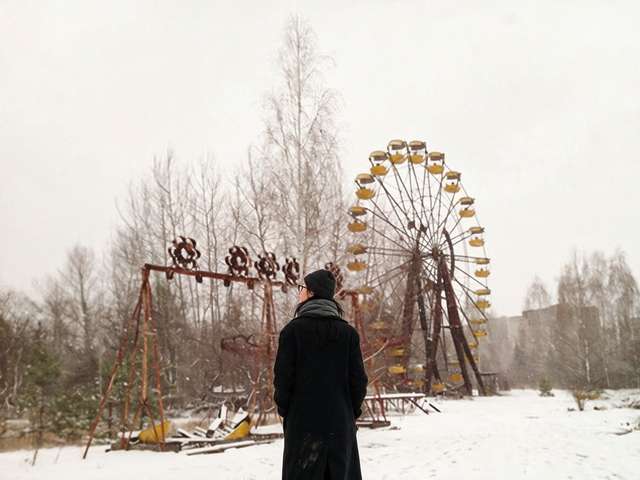
The Wheel That Stopped
· The Pripyat ferris wheel under snow: an amusement park that never opened, and yellow the frost cannot mute.
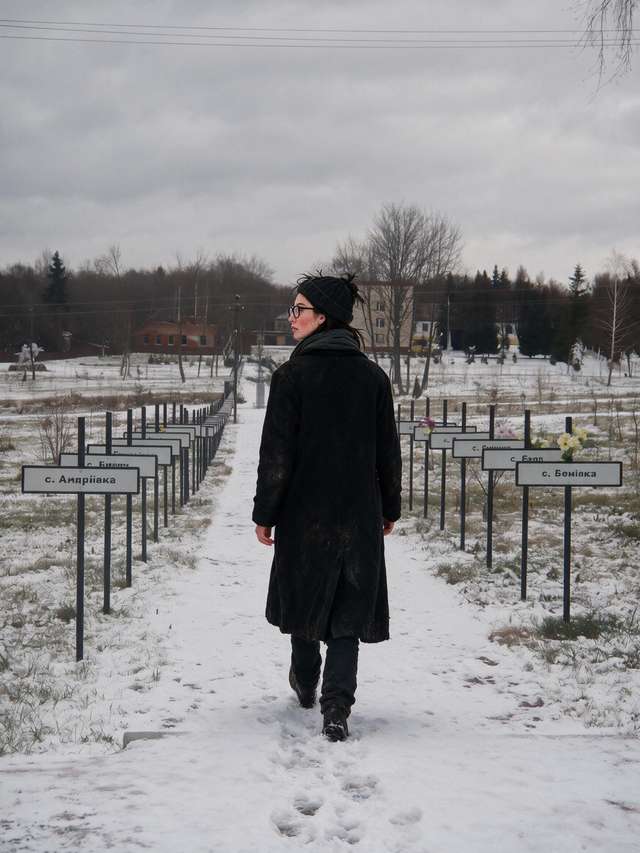
The Alley of Lost Villages
· A snowy path lined with name signs, one for every village the Zone erased, and walking it to the end.
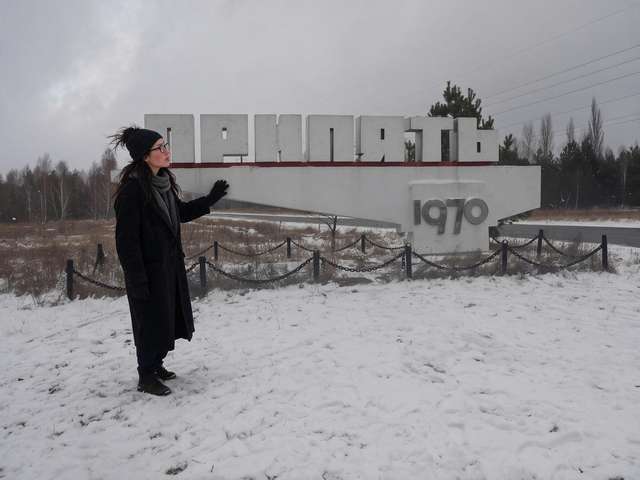
Pripyat, 1970
· The town sign in the snow, the nuclear atom in concrete, and a city that got sixteen years.

The Machine at the Checkpoint
· Dityatky checkpoint: a Soviet contamination monitor older than my mother, palms flat on the sensors.

The Barrel Keepers
· December nights on the Maidan: veterans rebuild the camp in miniature, and the fires in the barrels are lit again.

The Square, Lit
· Maidan at night from the upper terrace: the stella, the lights, and a square that is never only a square.

Kukuruznik
· A flight into Dnipro, a biplane older than my parents still earning its keep on a wet apron, and a borrowed headset that smelled of somebody else's work.
Fog Season
· A cold bus ride out to the bridge on a fog-heavy day, mid-way through a Symbolic Systems degree that has not yet decided what it is for.