soviet computing
The machines the West never had to take seriously: Setun counting in thirds, the Iskra-226 on my desk, control rooms where the future was announced and then filed away. I read the manuals for the names on the title pages, because the men got the prizes and the women got the typography. It turns out the record keeps more than it was asked to.
20 entries, newest first.
2026
The credits screen
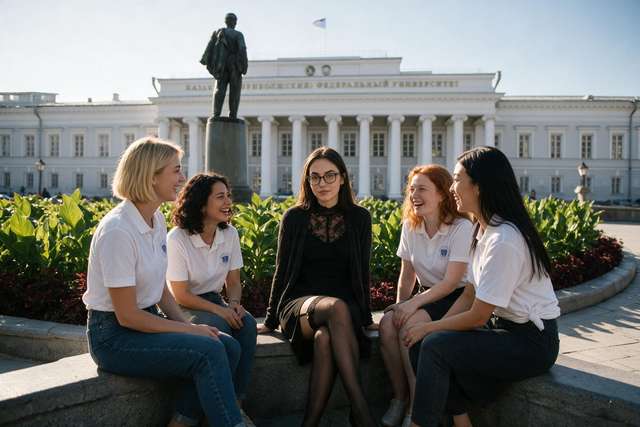
· Three names sit at line 1366 of a Soviet teaching game, behind a door almost nobody opens. I went to Kazan to stand in front of the building where they worked.
The April issue
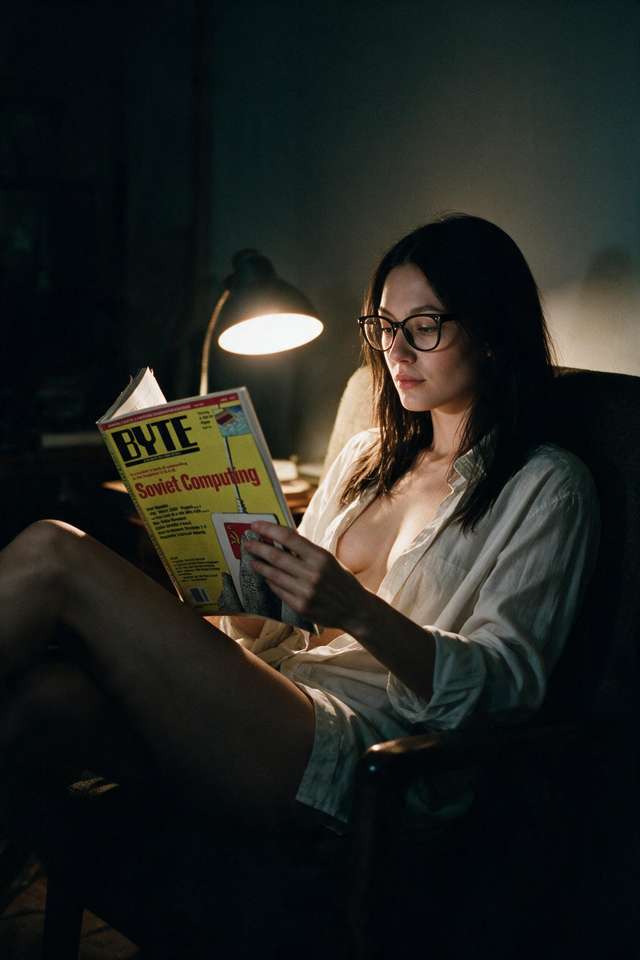
· I have wanted this one issue for years, and this morning it was lying on a folding table under a bread tin.
Ghosts in the wires
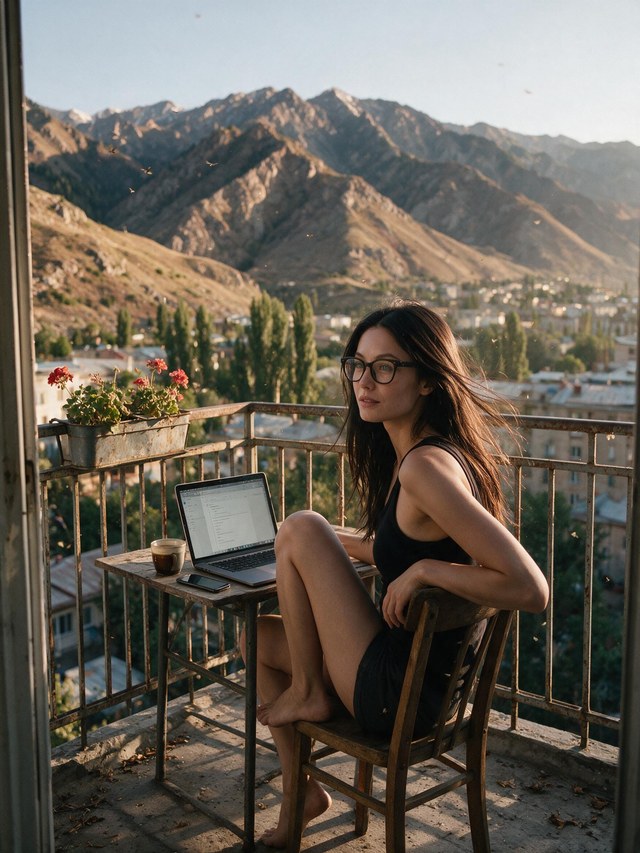
· Three months of evenings are public now, along with a list of everything in the machine I still cannot read.
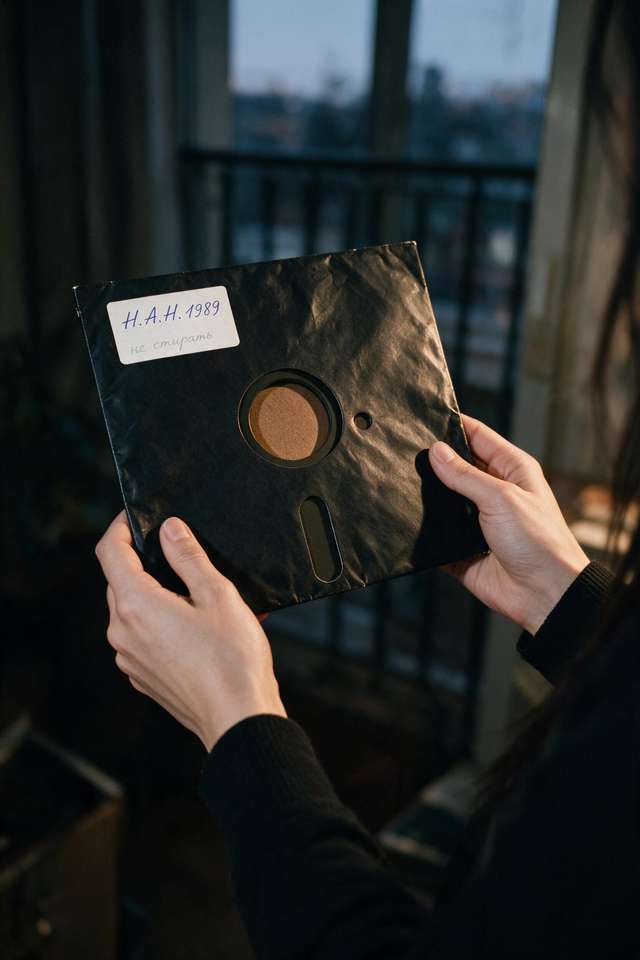
Do not erase
· Two nights ago the label stopped being the only part of my grandmother's disk that I could read.

Vedomost No. 2
· Software written in 1989 did payroll arithmetic on my desk, printed the form it was written for, and agreed with my pencil to the kopek.
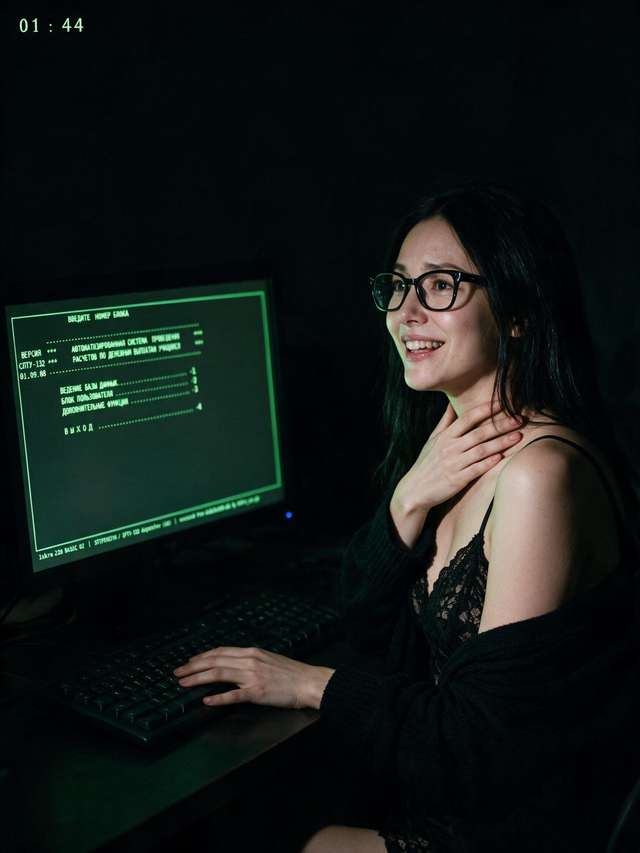
The tokens come apart
· At 1:44 in the morning I stopped asking the question I had been asking since July, and everything after that fell in under three hours.
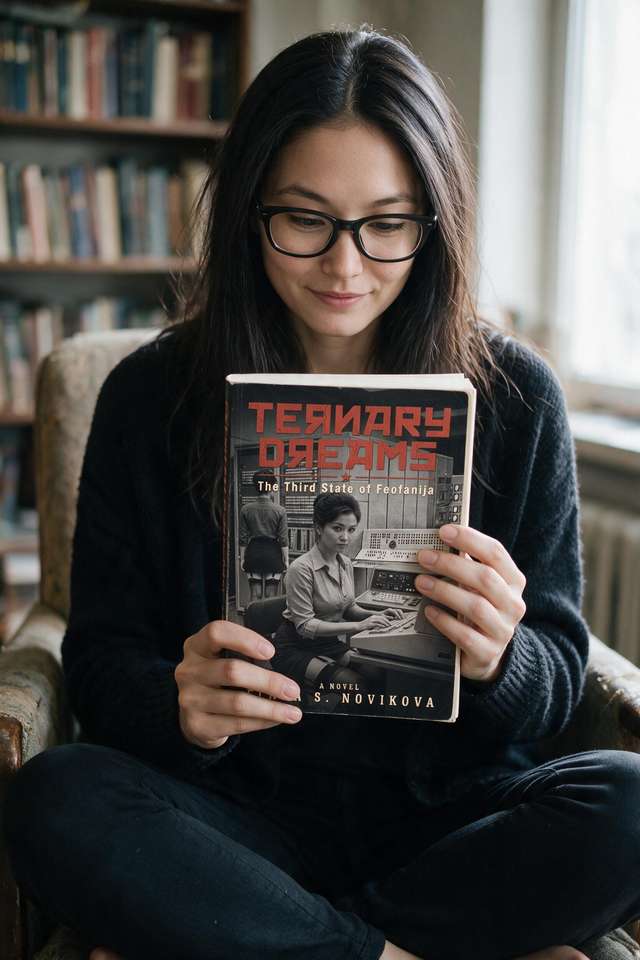
Ternary Dreams is out
· Launch day for Ternary Dreams: what the work asked, what I am proud of, and quiet thanks to the early readers who went first.
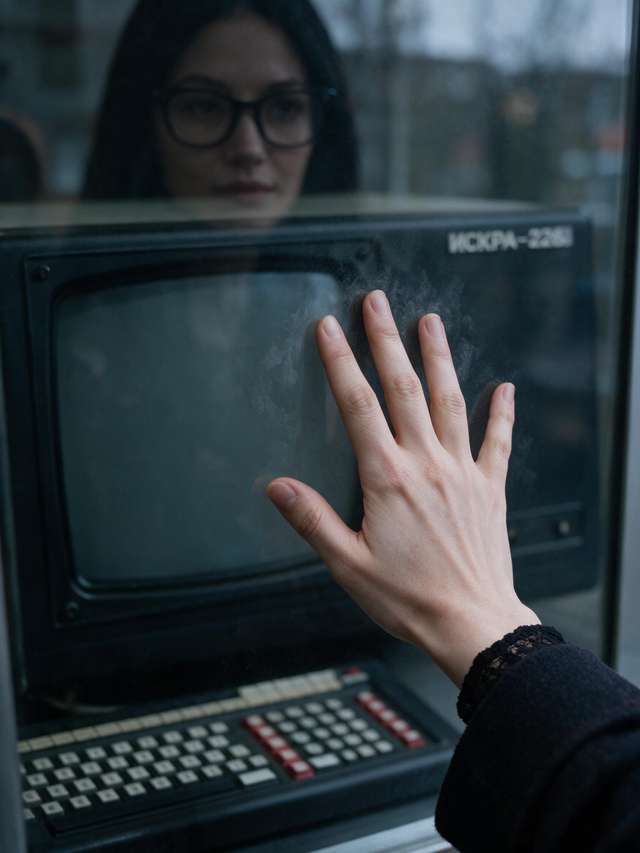
Behind the glass
· An afternoon in Riga between the facades and the reading: a display case, an Iskra-226 reported there in 2016, and nobody in the house who can say whether it ever had power.
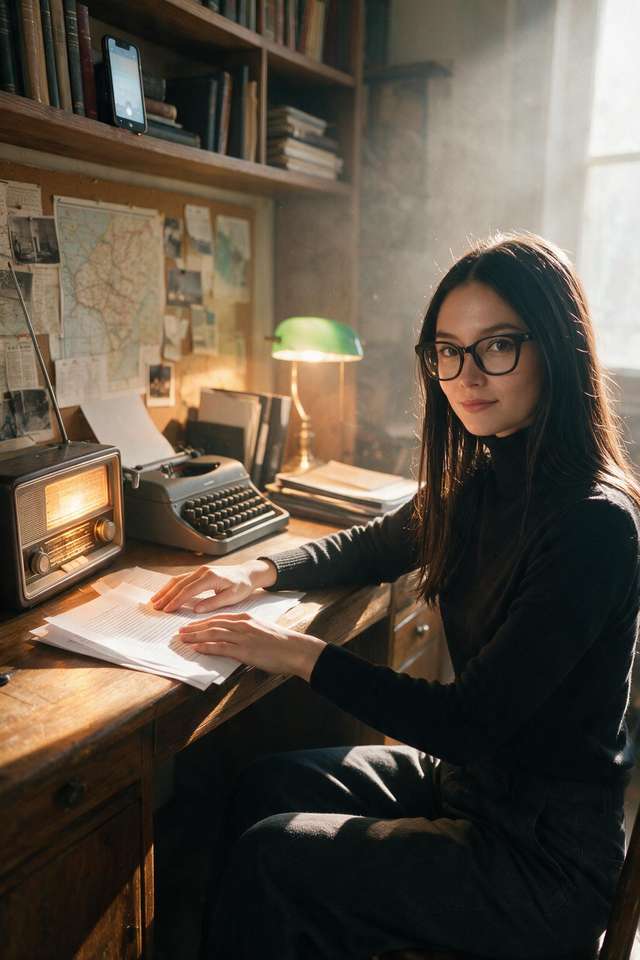
Two weeks out
· In two weeks Ternary Dreams meets the world. The first time the title and a real date sit together on this blog.
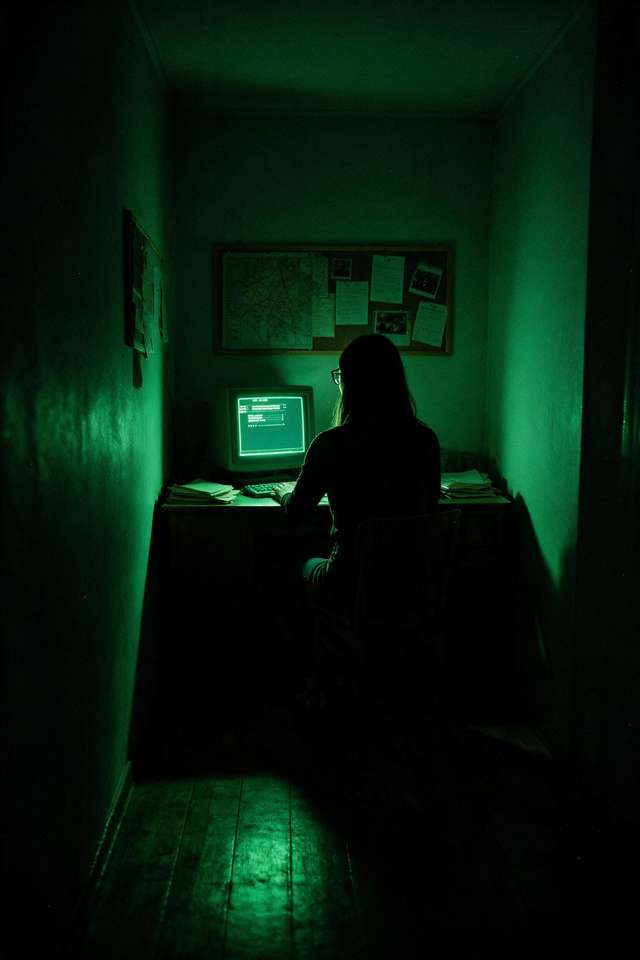
Sector zero
· Six weeks of bytes in the right order, and then one line that was legible, and what that turns out to do to a person.
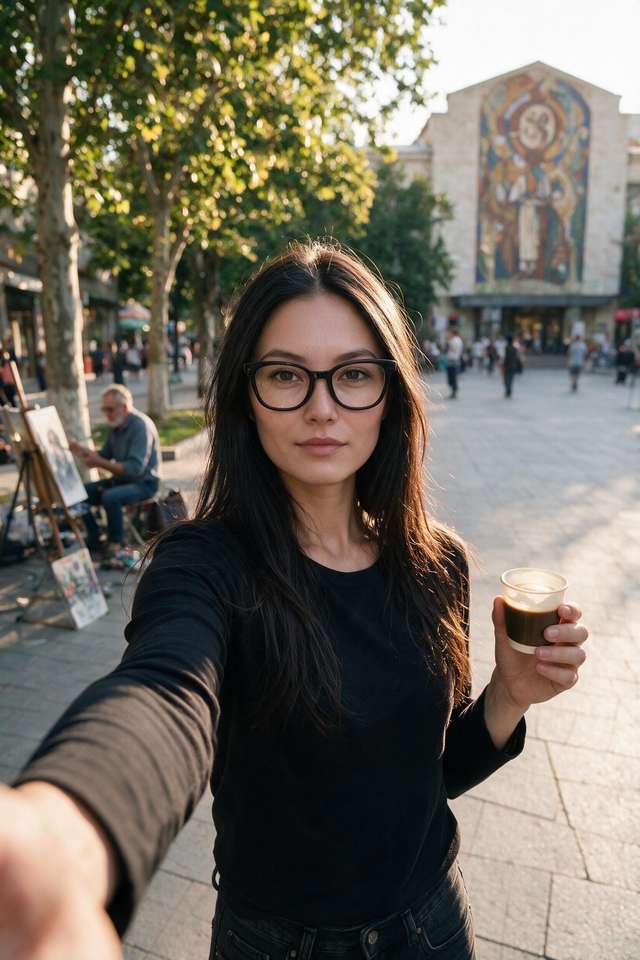
Almaty cafe corner
· Working through Kazakh-archive threads on Soviet computing history in an Almaty cafe, with mountain light on the table.
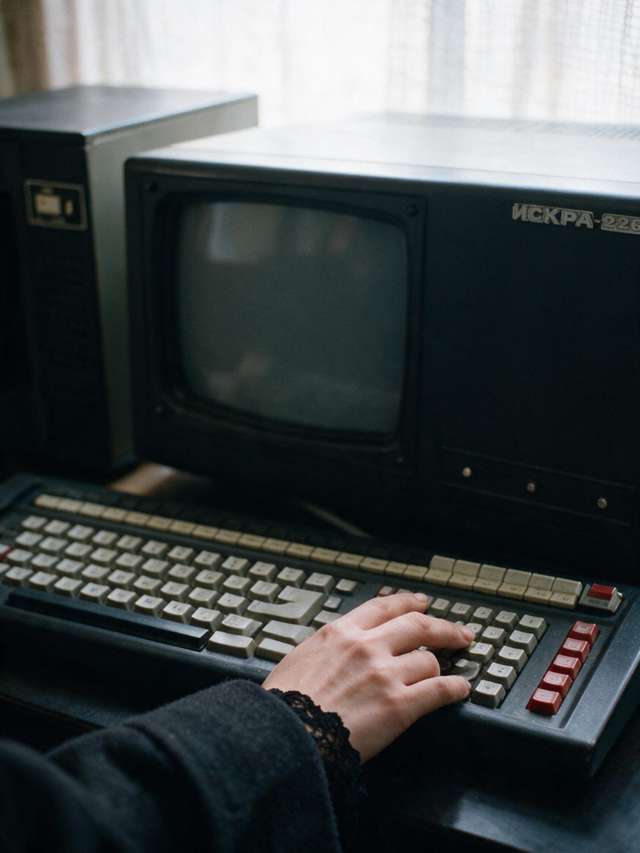
Standing at the machine
· A private flat in Almaty, four hours of road from my kitchen: a complete Iskra-226 with two drives and a plotter, and a screen that has not held a picture in years.

Three and a half million
· The same gate, one floor of books, and a free form that answers strangers in two or three working days: the least glamorous door into Soviet computing.

Gate seven, then the depot
· The Polytechnic's collection now lives in an industrial park behind two checkpoints: a booked tour, a named pass, and machines that nobody switches on.
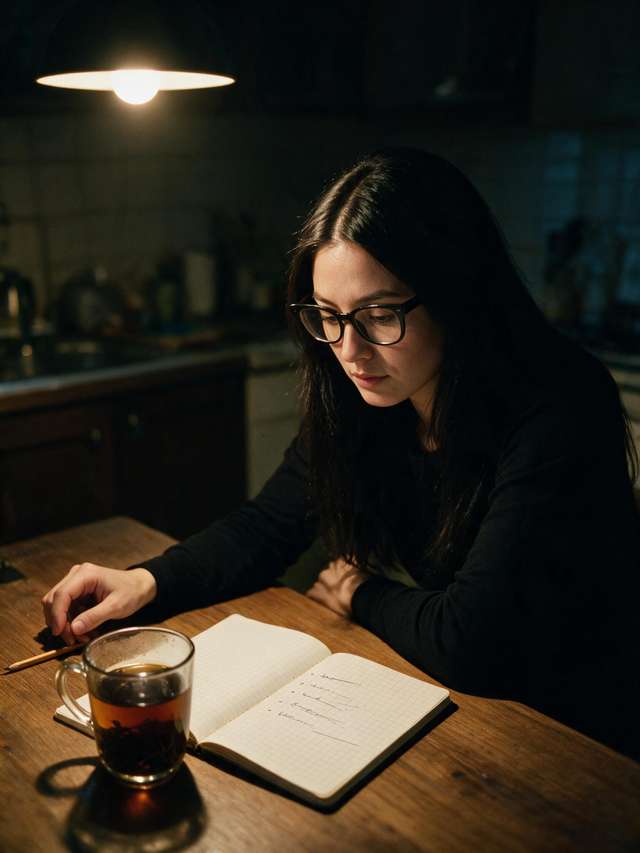
Nobody has written one
· A week of looking for someone else's work, an answer that came back the same from every direction, and a sentence I could not finish.
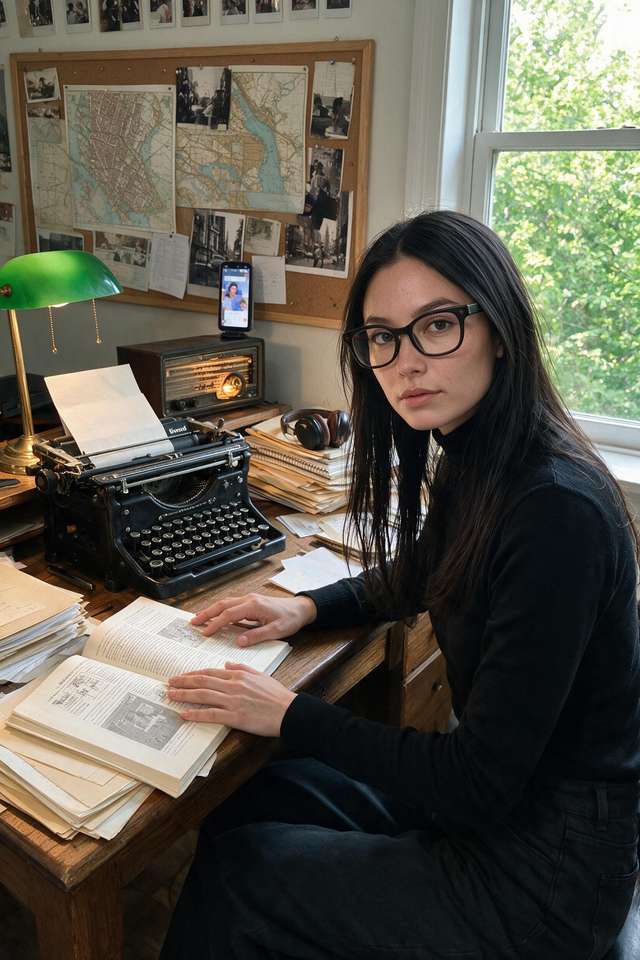
The only ternary computer ever built
· Notes on Setun, Brusentsov, Lebedev, and Ekaterina Shkabara, whose name recedes in the retelling.

Spring Light and the Kyiv Pages
· Home in Bishkek, ten days of notes spread across the table, and the slow turn from travel toward a long essay on Ternary Dreams’ real roots.

A third state
· Early research notes on a new novel about Soviet computing, balanced ternary logic, and why a third state beyond yes and no feels like the right shape for hidden lives.