Elara S. Novikova, M.Sc.
I write fiction built on real history: the Soviet computers nobody taught you about, a radio signal that has buzzed since the seventies, sealed hospital wings, orbital experiments missing from every official record. The facts are researched obsessively from public sources, cross-checked where the record allows, flagged where it does not, and published here in open archives. What the people inside them wanted after dark is fiction.
I was born in 1999 in Bishkek. My mother is a meteorologist's daughter from Kamchatka who taught me that you do not argue with data. My father has kept the card catalogue of Moldova's National Library in order for longer than I have been alive. I grew up between a volcano coast, a reading room and the Tian Shan. The books were probably unavoidable.
I take my tea black, write first drafts longhand, and I do not own an umbrella.
The timeline stops where the books are. The days themselves - where I am, which train, whose reading, when a post went up - are in the calendar, which you can also subscribe to.
Four novels
They quietly share one universe, so the same people, machines and places cross over. Read them in any order you like. If you want the history without the heat, start with Ternary Dreams. Prices sit with the shops and change; the book pages carry the full description, the research archive and the reading sample.
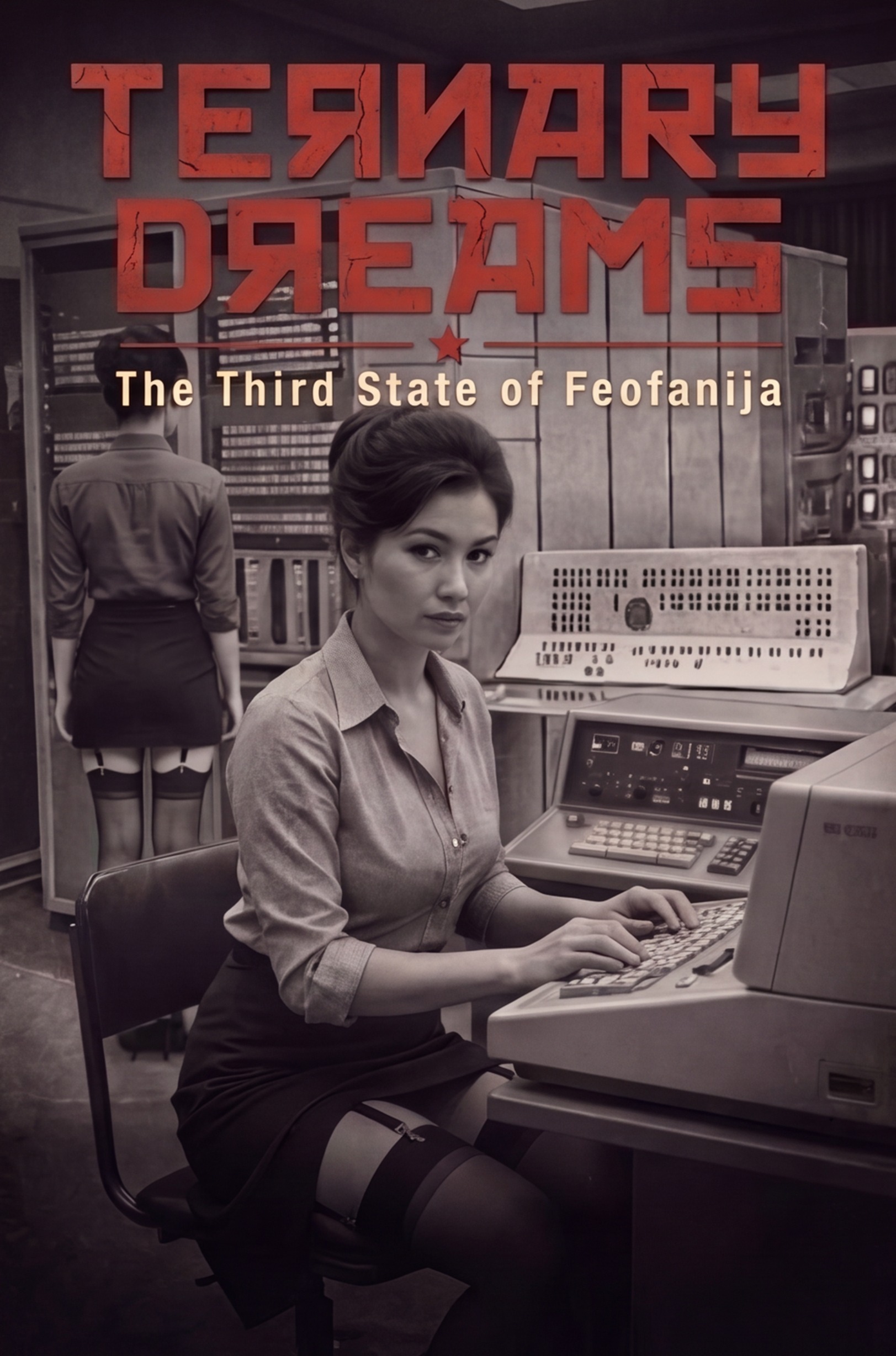
Ternary Dreams
The Third State of FeofanijaA Kyiv historian decodes her grandmother’s three-state diaries and finds Europe’s first computers and a KGB seduction order inside. The women who wound those machines signed nothing and kept no files.

Secret Dawn
Among the StarsA classified 1985 space station experiment on desire in orbit, and the children it produced. My mother taught me to read the sky before anything else.
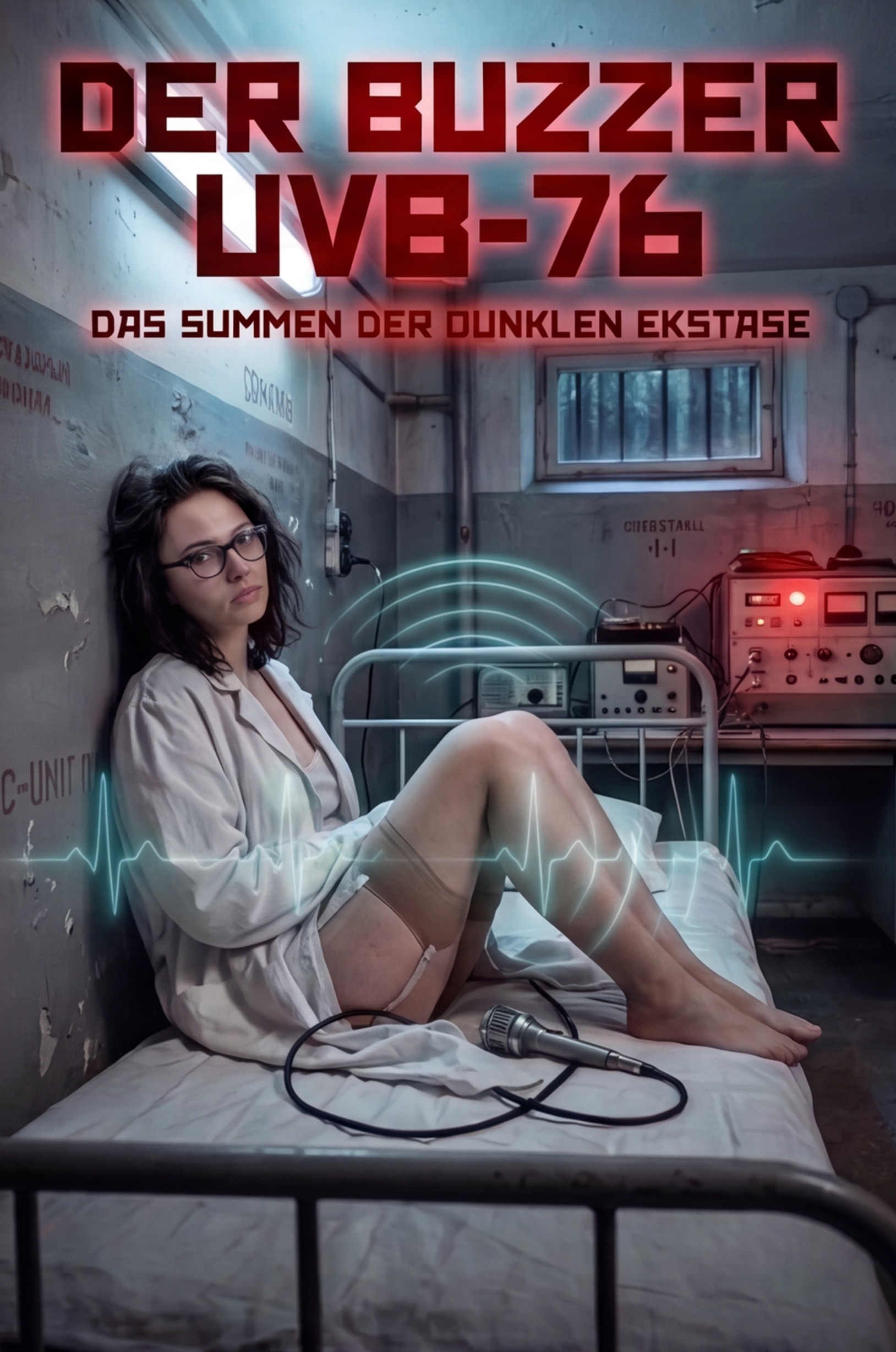
UVB-76: The Buzzer
The Signal from the ColdThe radio frequency that has never explained itself, and the woman sent to listen. I first heard the Buzzer at two in the morning in a Naryn dormitory, on a borrowed shortwave set.
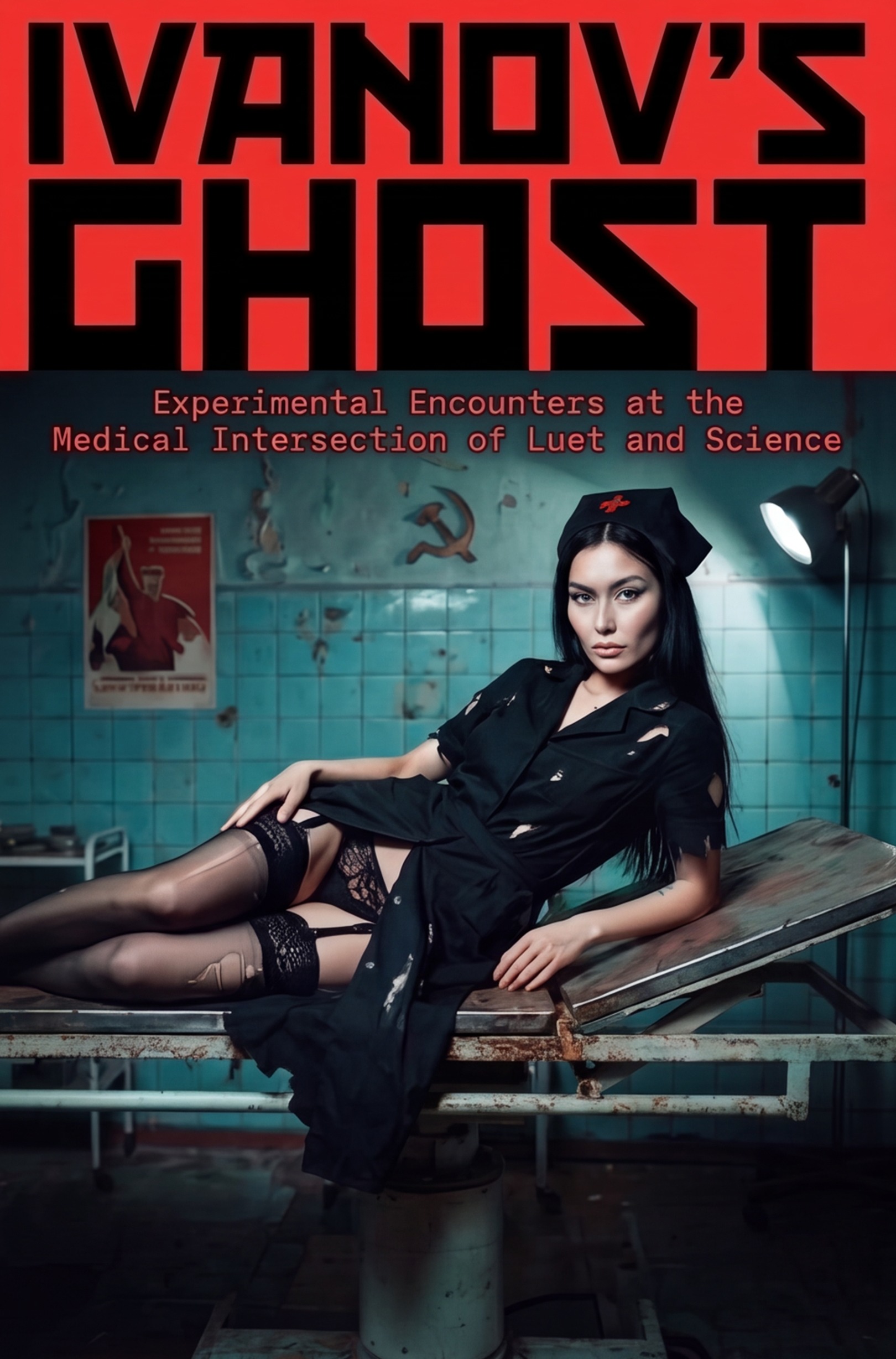
Ivanov’s Ghost
Experimental Encounters at the Medical Intersection of Lust and ScienceA decaying Moldovan hospital, a NATO pilot, and a Soviet biomedical legacy that never died. This one is for my father’s Moldova, and some of those corridors I had walked as a child.
Timeline
Russian on my mother’s side, Moldovan on my father’s. Two alphabets in the house, three languages at the table, and nobody ever agreeing which history was the true one.
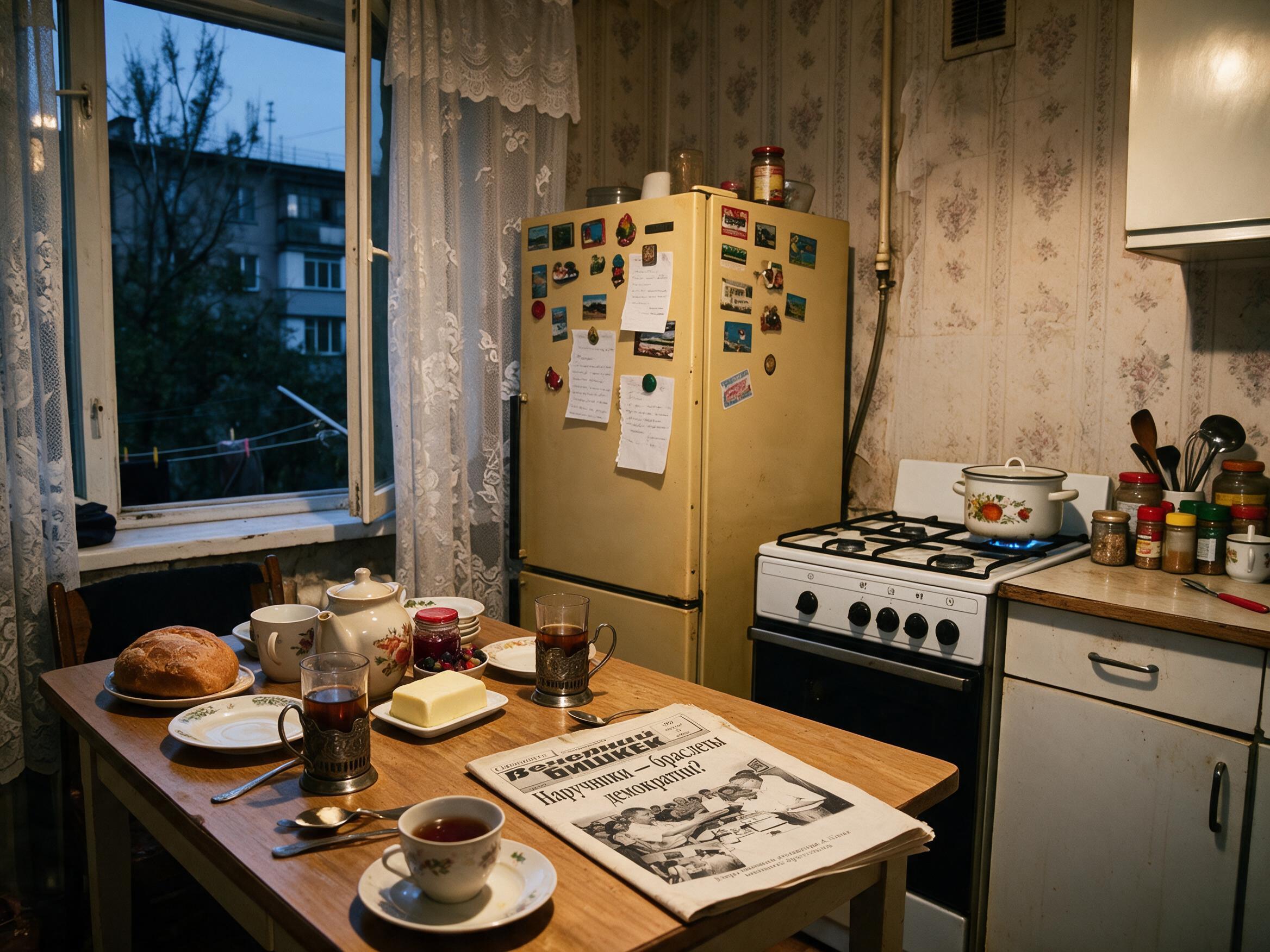
Summers on my mother’s Pacific coast of black sand and steam; winters in my father’s library in Chișinău, where I learned that an archive is a building where the state keeps what it refuses to say out loud.
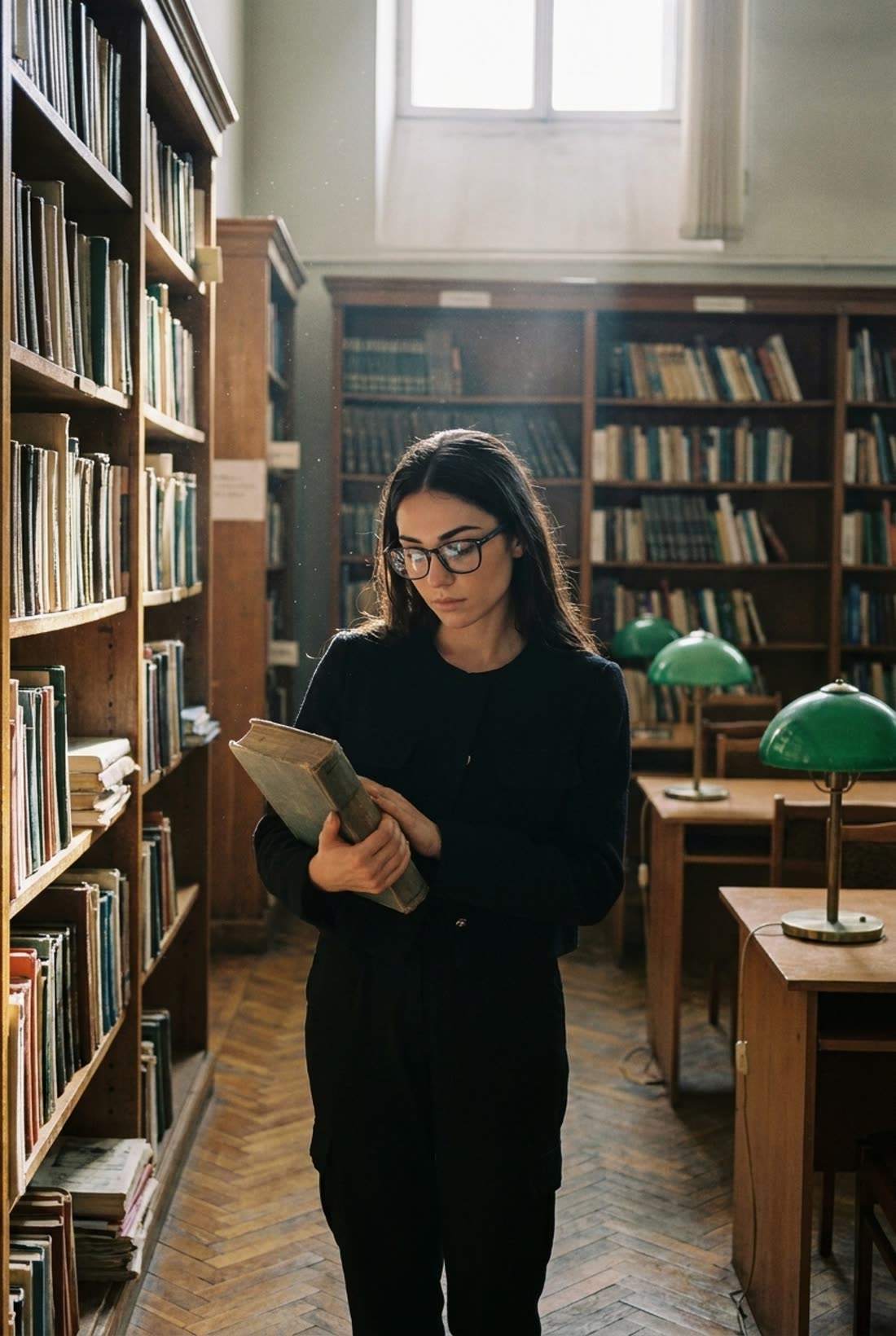
I have been writing novels since I was eighteen. The first ones will stay in the drawer, which is where apprenticeships belong. One of them has never existed as a file: typed on a borrowed machine, printed once, given away. Why there is no copy is between me and the person who has it.
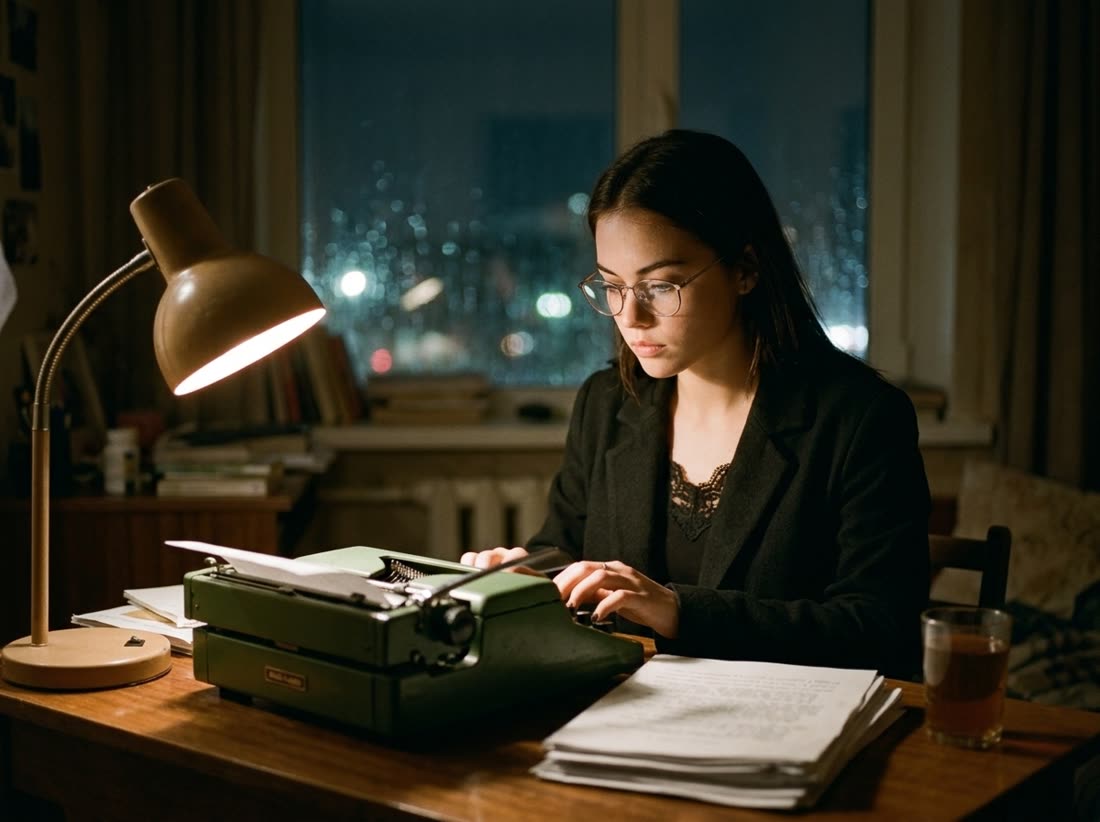
I took my computer science degree at the state university in the mountains at Naryn, in a department that mostly trained schoolteachers: machines, systems, and a lot of Russian-language footnotes nobody in my cohort wanted. The thesis was on fault-tolerant coding, which is a polite way of saying I spent a year on how machines survive their own mistakes. Nobody there was preparing me for California. What those years gave me beyond the paper was the habit of reading Soviet computing history in the languages it was written in. I found the Setun in a footnote. I cared.
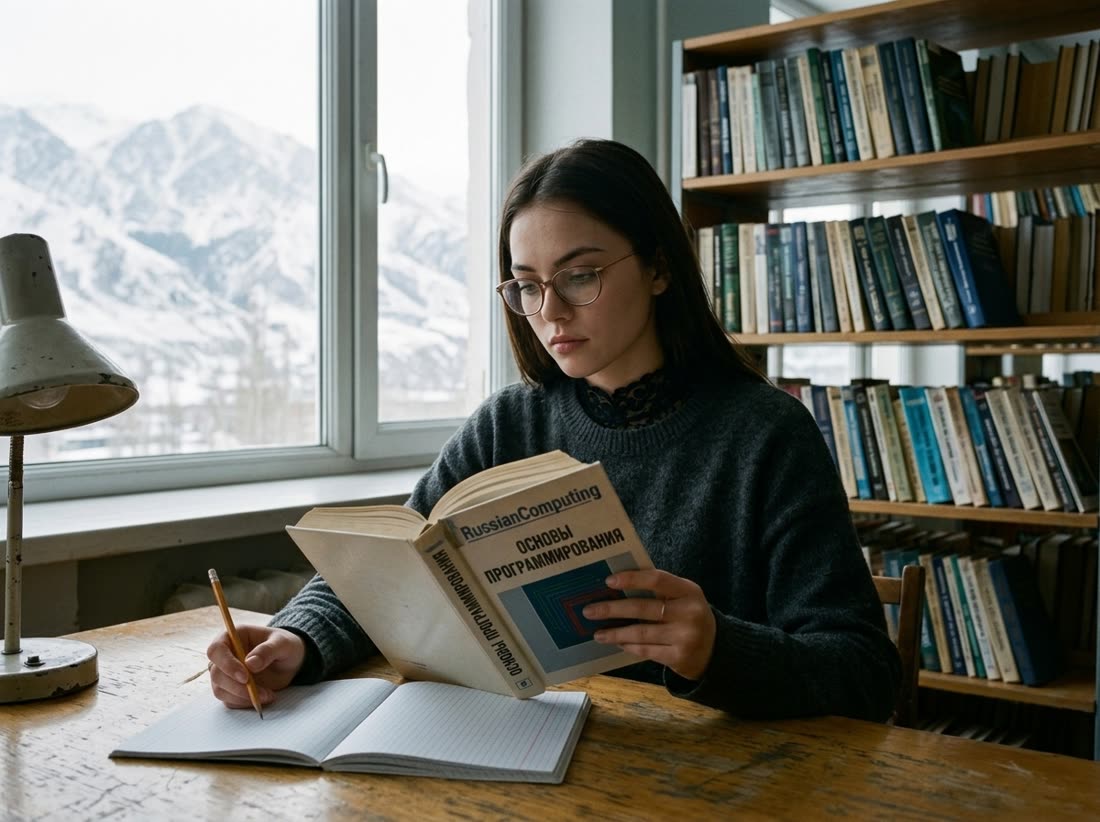
California was fog, seminar rooms and green library lamps. I applied to the Symbolic Systems M.S. at the campus in Palo Alto, thirty-odd miles down the peninsula from San Francisco, as a graduate applicant with a Naryn degree behind me and an outside scholarship in front of me, then spent my first quarter at my own kitchen table in Bishkek, because that year almost nobody started where they were supposed to. I got there in January and stayed for the winter quarter, which turned out to be the only one I sat in the room for: by spring the money stretched a great deal further from Bishkek than it did from Palo Alto, and I finished the way I had started, at three in the morning with a grid of faces having an afternoon I was not having. The degree sits where I wanted to be: what a machine is, and what a state owes the people it uses, turned out to belong to philosophy and logic as much as to engineering. I also learned German somewhere in the middle of it, for Kant. That got out of hand later.

Back home. By day a doctorate on how authoritarian states manage science; by night the novels, at a desk facing the mountains. First drafts go longhand into squared notebooks. On research trips I weigh the pages down with a stone from wherever I am. The stones stay on my desk.

Check the history yourself
These pages collect the research trail behind the fiction for anyone who wants the dates, names and machines in one place. The site was redesigned and republished in 2024; posts from earlier years keep their original dates. Every event carries a date; people carry life dates and roles; machines carry their years and purpose. The material leans into episodes Western histories rarely cover: the Setun, the only ternary computer ever produced in series; MESM, continental Europe’s first stored-program computer; the UVB-76 numbers station; and the medical and biological programs behind Ivanov’s Ghost and Secret Dawn.
If you have a question
There is a chat on this site, and the thing answering is not me. It is an assistant built out of my notebooks, my mail, the four novels and the whole research archive, and it says so before it says anything else. Ask it for a date, a machine, or which book to start with. Open the chat →
If you want me instead, write to contact@elaranovikova.com. I read all of it myself.
One short email when a new book is out or a price changes. Nothing else, and no forwarding to anyone.
For journalists & booksellers
Everything needed to cover the project, in one download: press release, short and long biography, fact sheet on all four novels, citable lines, high-resolution covers, author and field-research photographs, and the usage terms. For a presentation deck, material on a single book or a review copy, write to me directly.
If you need the academic side in one place, there is a two page CV: the degrees, the doctorate in progress, the research archives, and the four novels with their ISBNs. It was last updated after Ternary Dreams came out.
 Curriculum vitae, PDF →
Goodreads →X / @ElaraNovikova →YouTube / @ElaraNovikova →Telegram / @elara_novikova_bot →
GitHub / @elaranovikova →
Curriculum vitae, PDF →
Goodreads →X / @ElaraNovikova →YouTube / @ElaraNovikova →Telegram / @elara_novikova_bot →
GitHub / @elaranovikova →
Review copies, a deck or material on a single book: contact@elaranovikova.com.