Elara S. Novikova
Main Index
Fiction · Built on Real History · 18+

My Novels Take You into the Provocative Depths of Historic Soviet Fiction

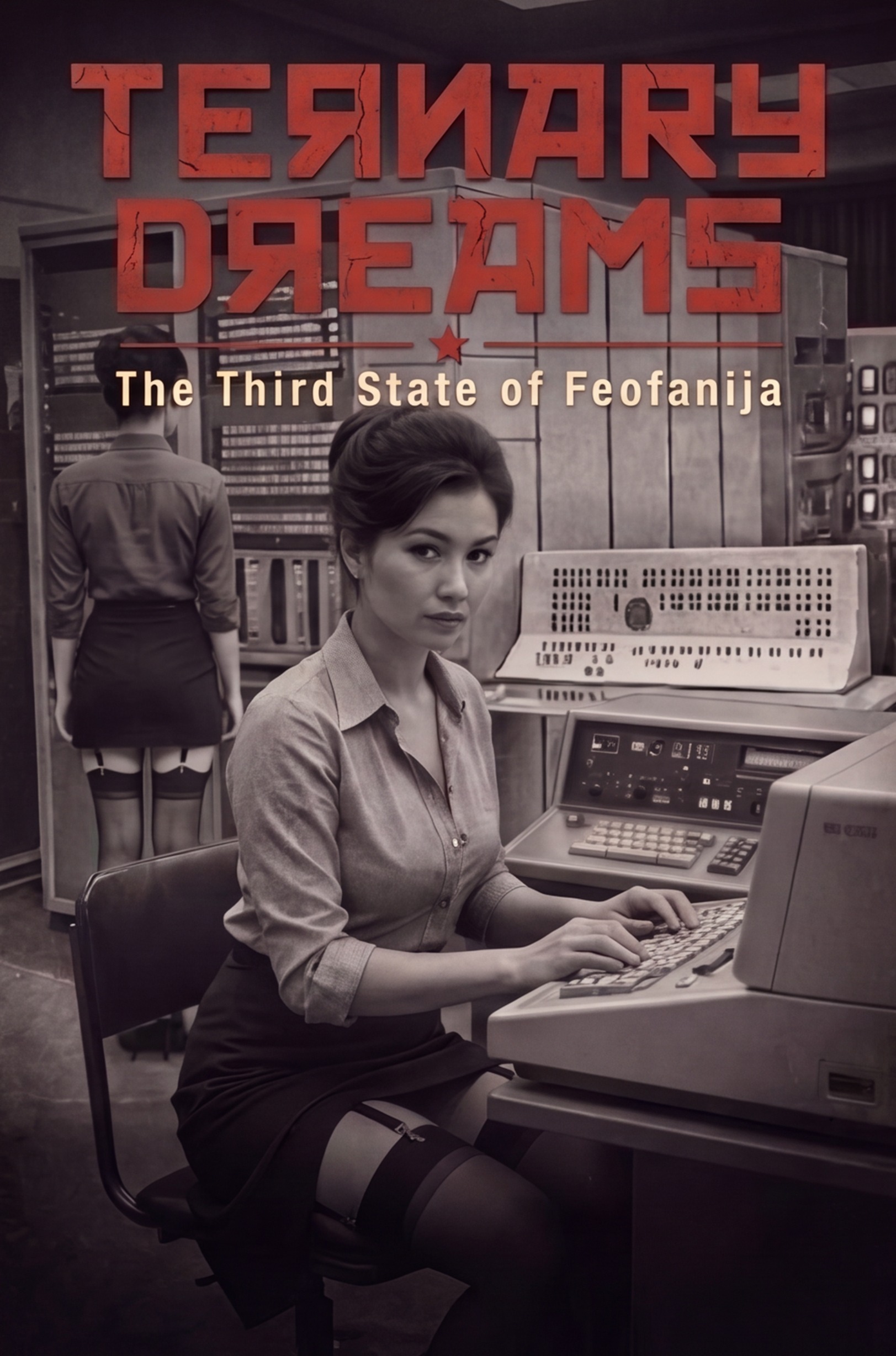
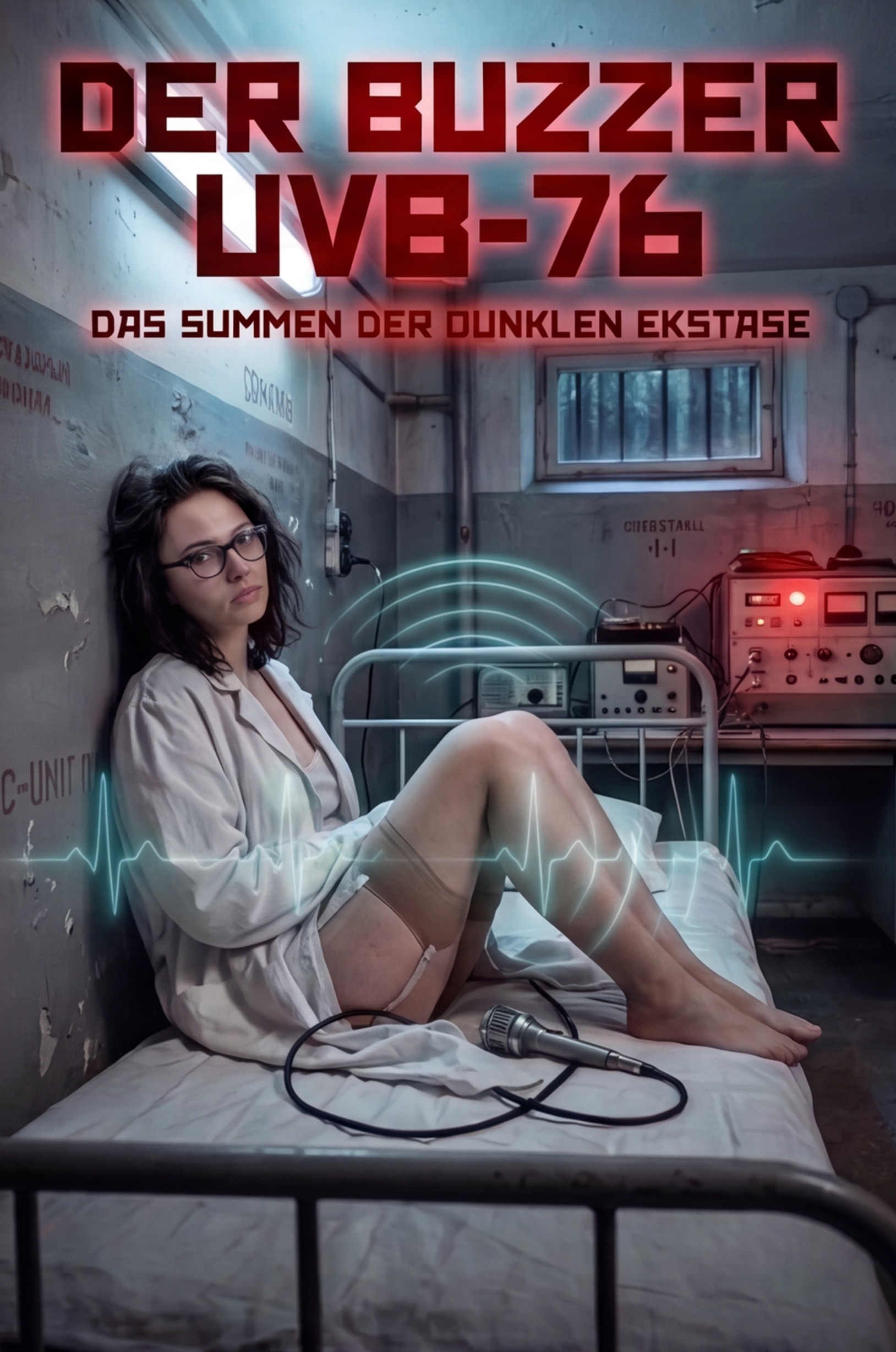
Four novels that start from documented Soviet history: cold-war computers, a numbers station that still transmits, a space program with missing pages. The archives kept the dates and the machines. They did not keep the desire, the blackmail, or the marriages that ran on silence. The novels do.

It’s like reading a scientific journal that got drunk and decided to have a wild night out. Half the time, you’re learning something. The other half, you’re wondering what the hell is going on.
Journal of Controversial Literature
01 · Every novel starts with a verifiable fact.

History wrote the files. These novels give voice to desire.

A computer that counted in three states. A radio signal nobody has explained since the mid-1970s. A hospital with a sealed basement. An orbital experiment missing from every official record. The facts are researched like a dissertation. What the people inside them did after dark is fiction.

It’s like reading a scientific journal that got drunk and decided to have a wild night out. Half the time, you’re learning something. The other half, you’re wondering what the hell is going on.
Journal of Controversial Literature
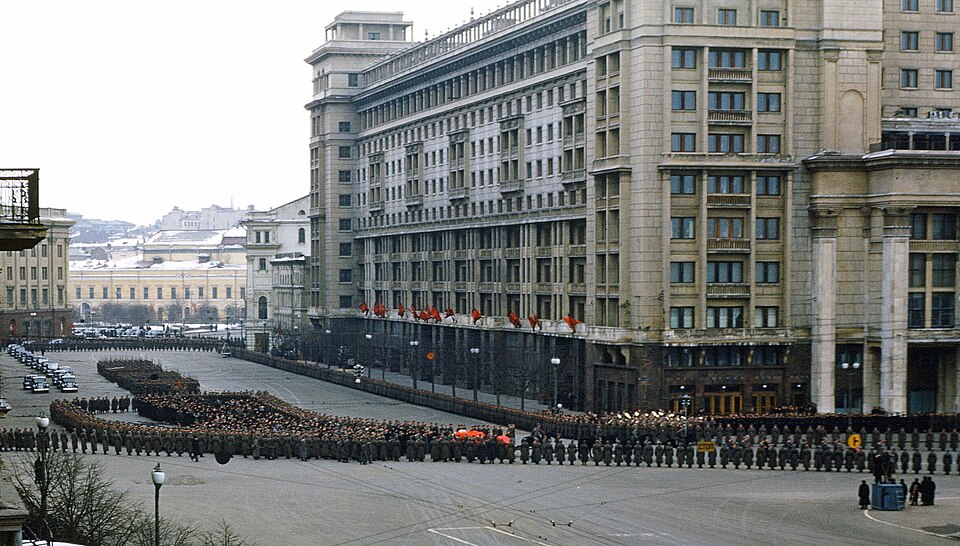
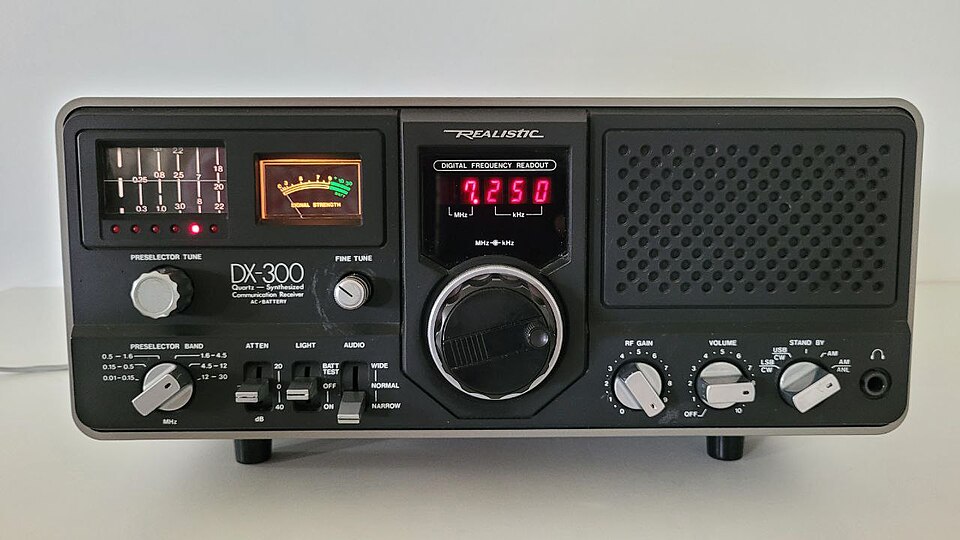
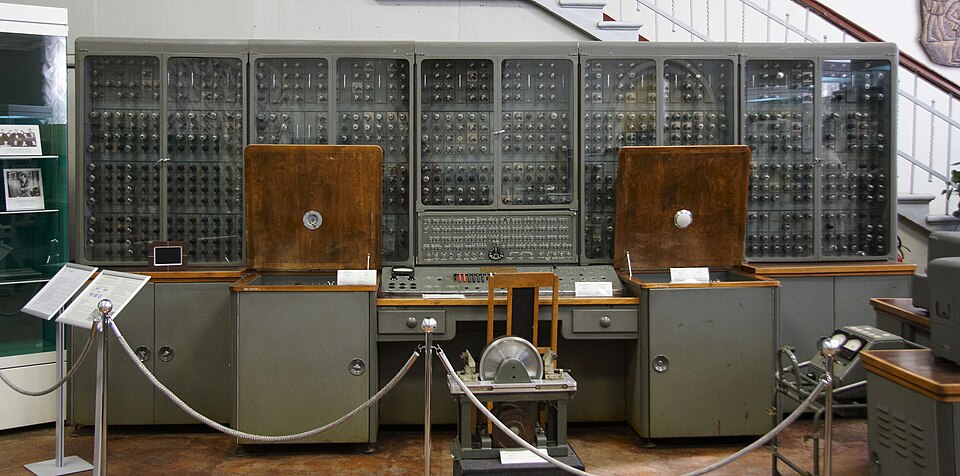
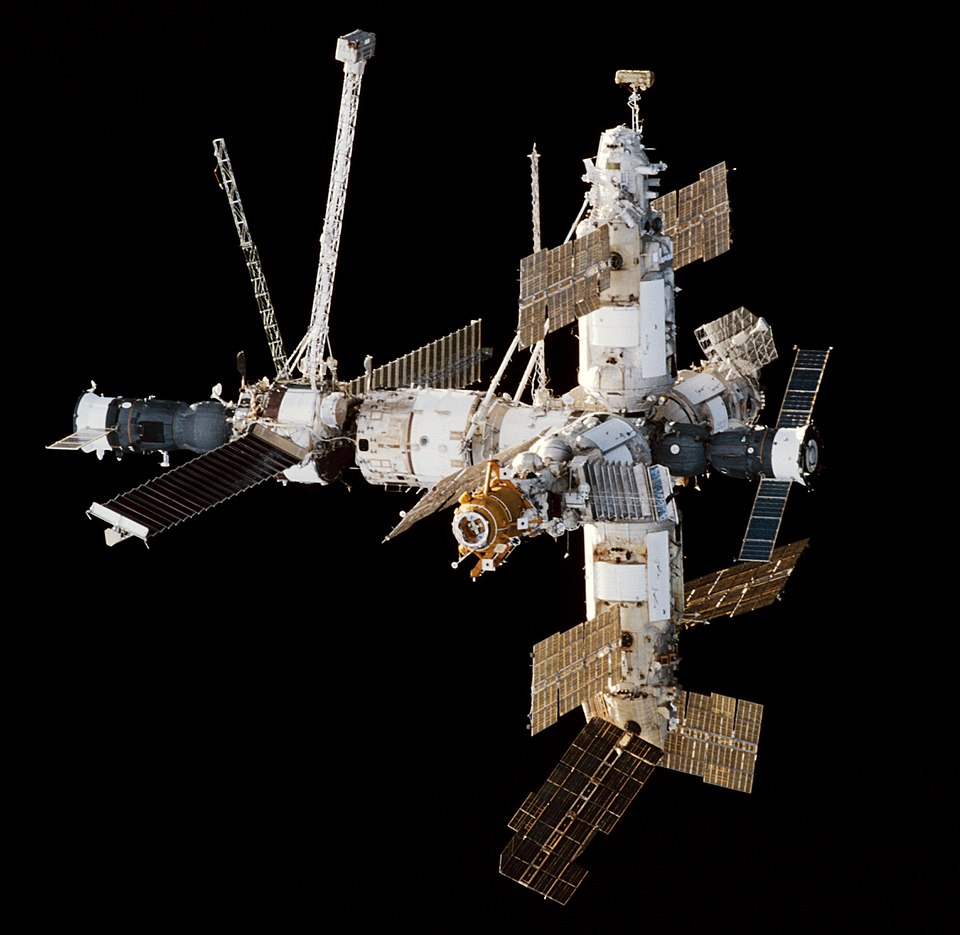
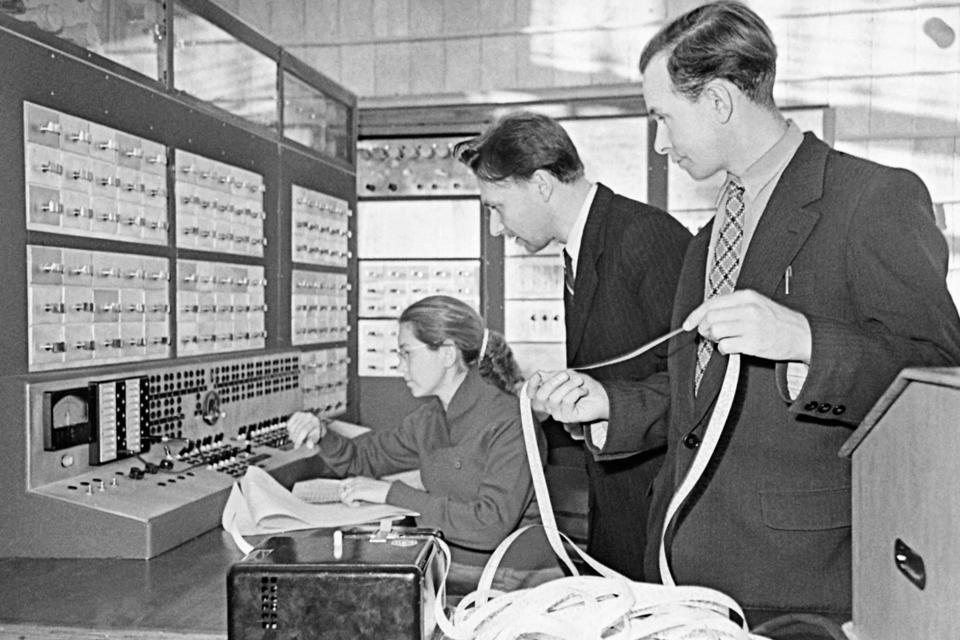
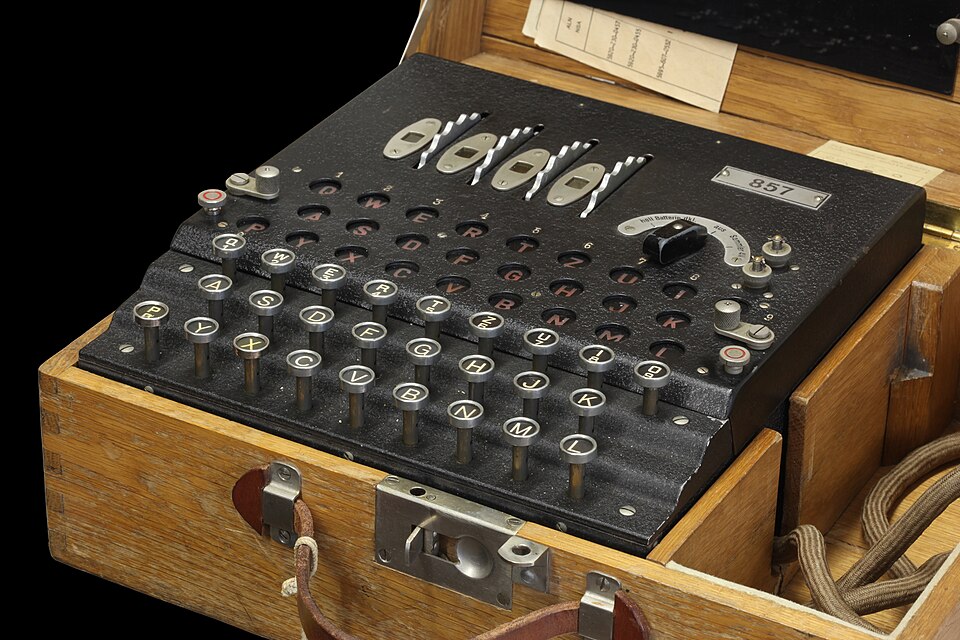
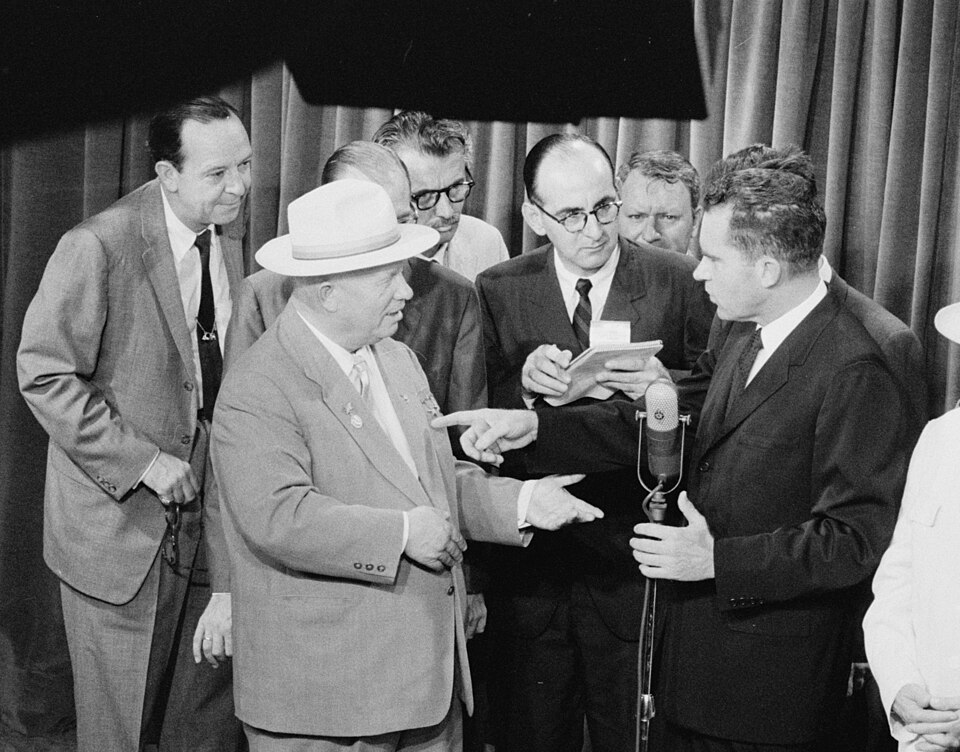
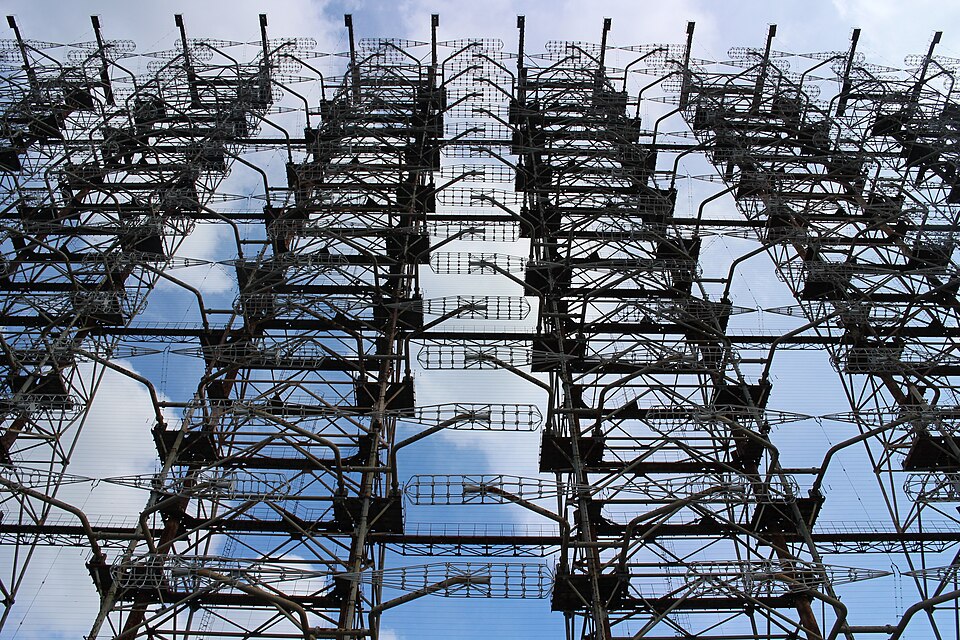
MIR the computer / Mir the station Nikita Khrushchev Chernobyl-2 / Duga radar Bion space monkeys
02 · The Research Archives · One shared universe of evidence

Don't trust me. Check the files.

Every novel ships with a free companion archive. No registration, no age gate, no paywall: interactive timelines, dossiers on the real people, the machines, the places, guided tours, and a quiz that will humble you. Historical record and novel timeline are clearly labelled throughout. Across the four archives: 1,151 dated events, 71 dossiers, 73 machines and stations, 62 organisations, 290 quiz questions.

АРХИВ-ПОИСК // SEARCH ALL FOUR ARCHIVES · 1,357 RECORDSOPEN FULL TERMINAL →
SEДЯCH>

The four archives are not sealed off from each other. The same people, services and machines surface in more than one book, and every crossing below is documented history.

One man, three archives

A prisoner in Ivanov’s Ghost. The Chief Designer in Secret Dawn. A seminar teacher in Ternary Dreams. Sergei Korolev, 1907 to 1966.

Four names, one tenant

NKVD in Ivanov’s Ghost, KGB in Ternary Dreams and Secret Dawn, SVR in UVB-76. The service changes its name in every decade and keeps the same address.

From the primate station to orbit

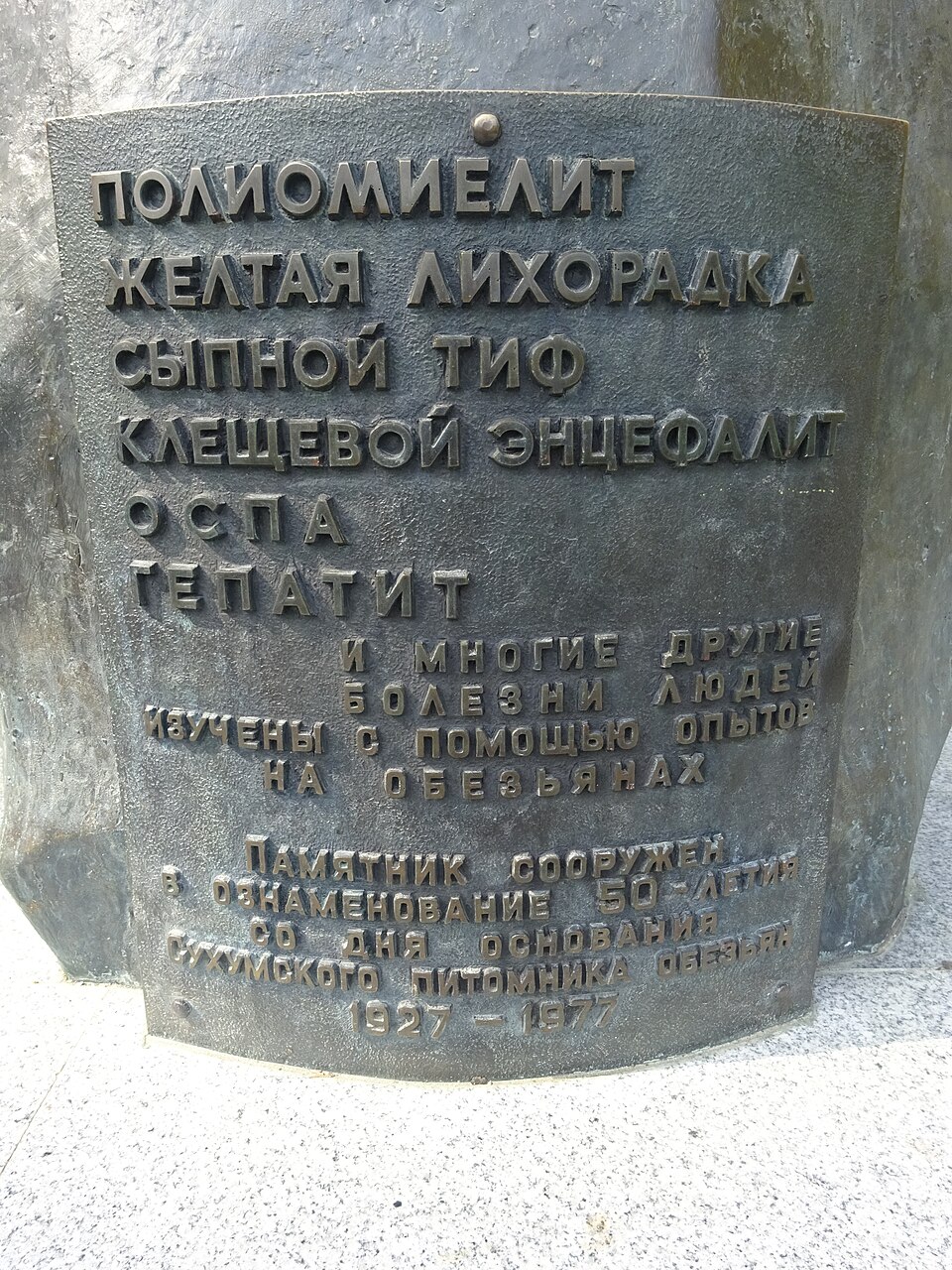
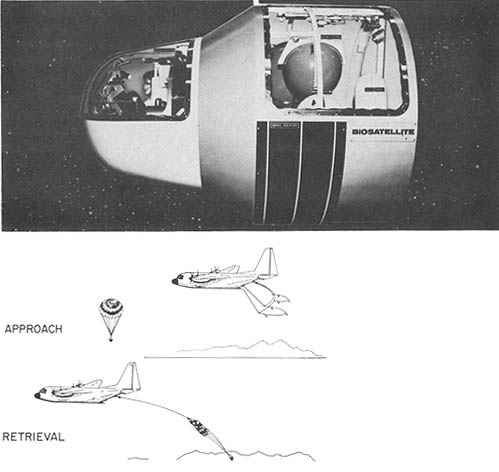
Sukhumi trained monkeys as ‘doubles of man’ in Ivanov’s Ghost. The same station supplied the rhesus cosmonauts of the Bion flights in Secret Dawn.

Mir before Mir

In Ternary Dreams, MIR is a Kyiv computer of the 1960s. In Secret Dawn, Mir is the station that flew fifteen years. One word, used twice: peace, and world.

The Woodpecker and the meltdown

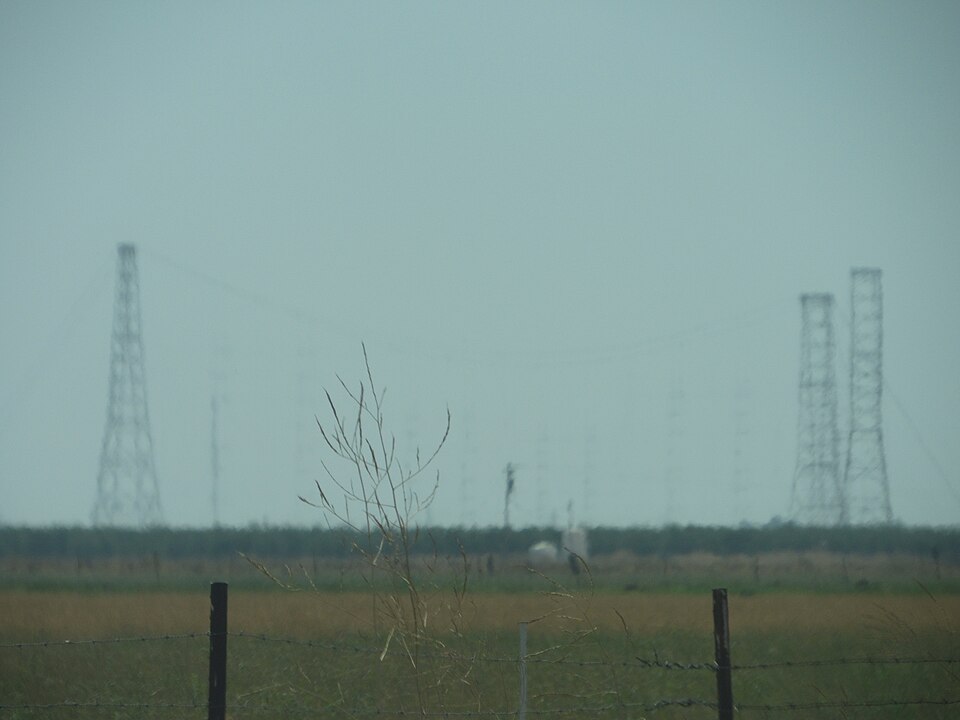
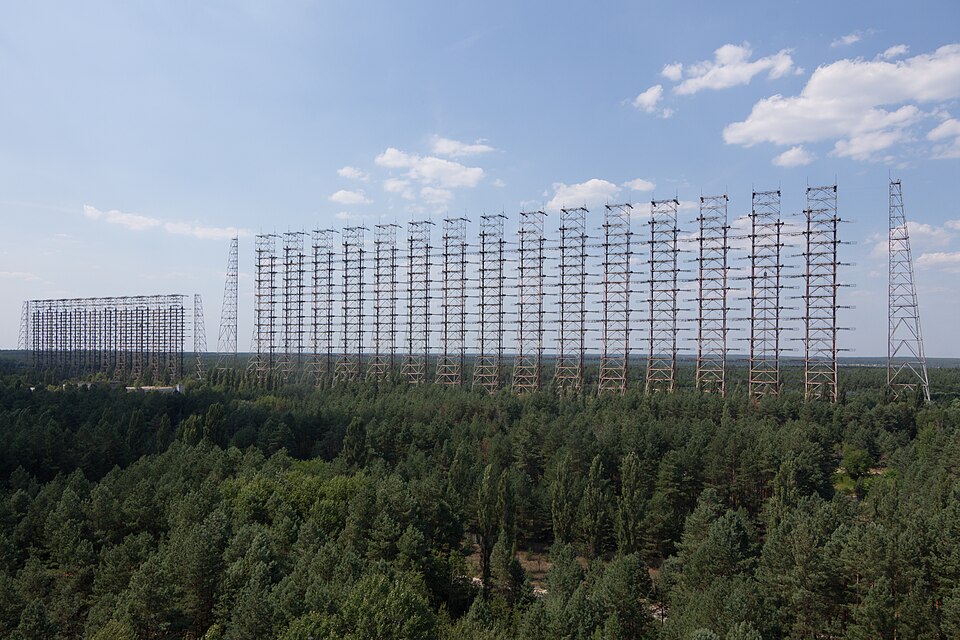
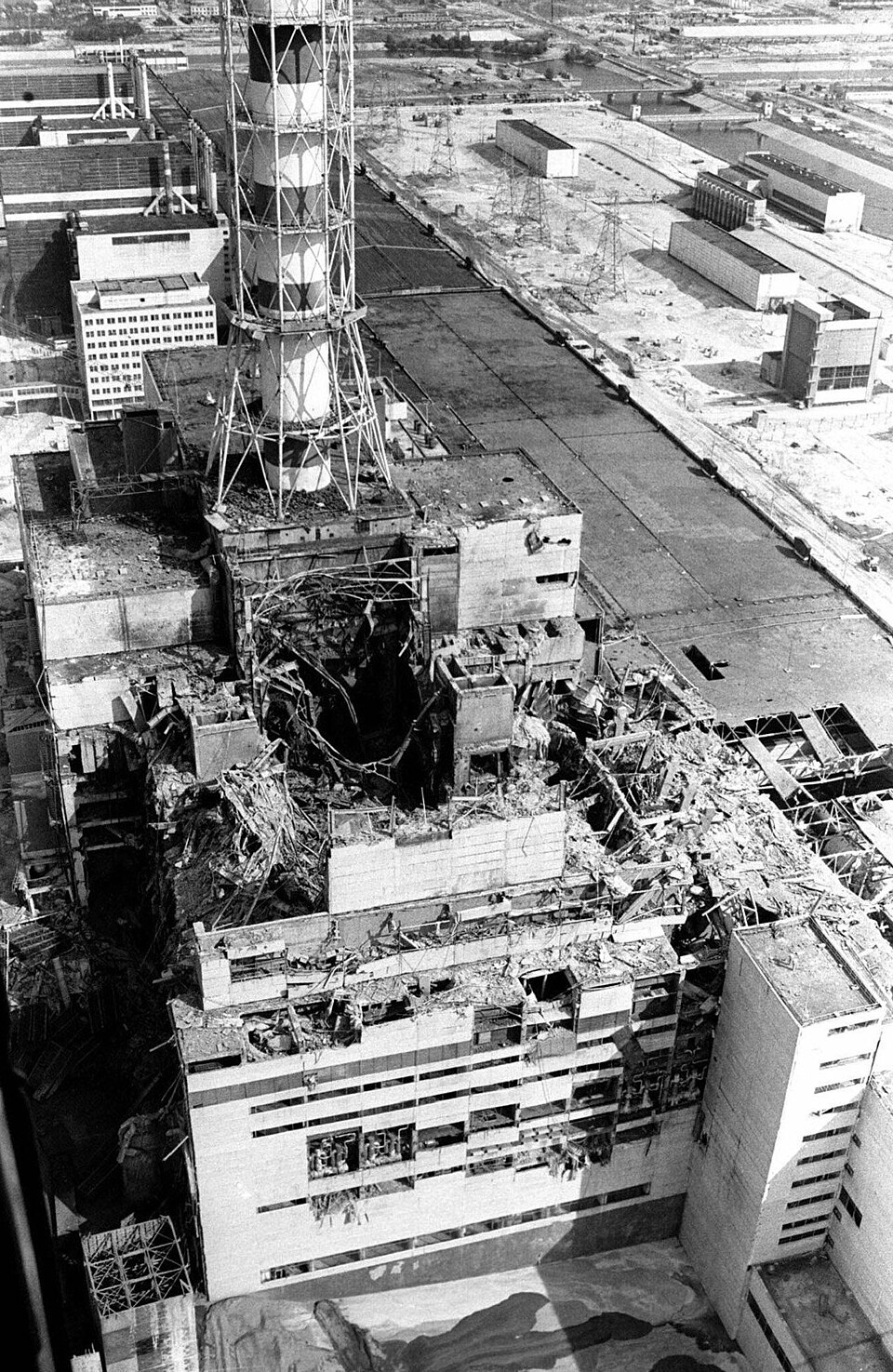
The Duga radar from UVB-76 stands at Chernobyl-2, inside the exclusion zone. The same disaster darkens Kyiv in Ternary Dreams.

The premier in both rooms

In Secret Dawn, Khrushchev protects Chelomei’s rocket bureau, which employs his son. In Ternary Dreams he walks into Staros’s secret lab in 1962 and orders up a city: Zelenograd.

The Soviet century kept its secrets badly. It wrote everything down: the wattage of a jamming transmitter, the feeding schedule of a primate station, the punch-card budget of a computer that thought in three states. Then it classified the files, imprisoned half the authors, and told the survivors to be proud in public and silent at home. That gap between the record and the life is where these four novels live. A woman solders memory cores at three in the morning and is asked, years later, to seduce a stranger for the state. An engineer builds a radar that deafens the world’s shortwave and cannot tell his wife what he does all day. Monkeys trained on the Black Sea coast ride rockets into orbit while their keepers queue for sausage. None of that is invented. The invention begins where the file falls silent: at the hotel door, in the parked car, in the dark of a blackout. I grew up between three of this empire’s languages, studied its machines, then philosophy, then politics, and found the same lesson everywhere: power is never abstract. It has a body, a temperature, a smell of warm vacuum tubes and cheap tobacco. These books are my attempt to give the archive its bodies back. The history hurt. The desire was real. Both deserve to be written down properly.

– Elara S. Novikova · Bishkek
Can you beat the archive?
Full quiz →
03 · Voices

Voices from the books. And from your mother.

Two voices that change by the day, and two that never will. The pull-quotes are illustrative and in-universe, not real press.

Quote of the day
– Elara S. Novikova
On this day · across the archives

In-universe review
”If Freud were alive, he’d probably write a 500-page paper on how this book is the epitome of repressed sexual trauma. It’s a psychological train wreck.”
– Psychological Review Quarterly
In-universe review
”Nobody should see you reading this. Better read it on your Kindle.”
– Your mother
04 · The geography of evidence

Every place in these books exists. Find yours.

Every documented place from the four archives on one map, coloured by book. From a Kyiv monastery to a Siberian transmitter, a Black Sea primate station and low Earth orbit. Tap a book to filter.

> standby…
05 · The Author Elara S. Novikova

Elara S. Novikova: The woman behind the archive.

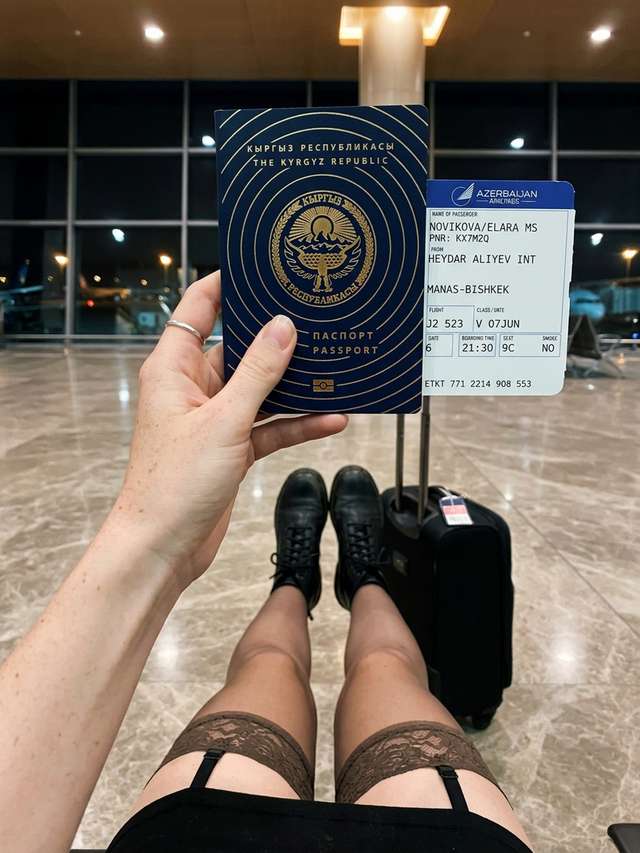
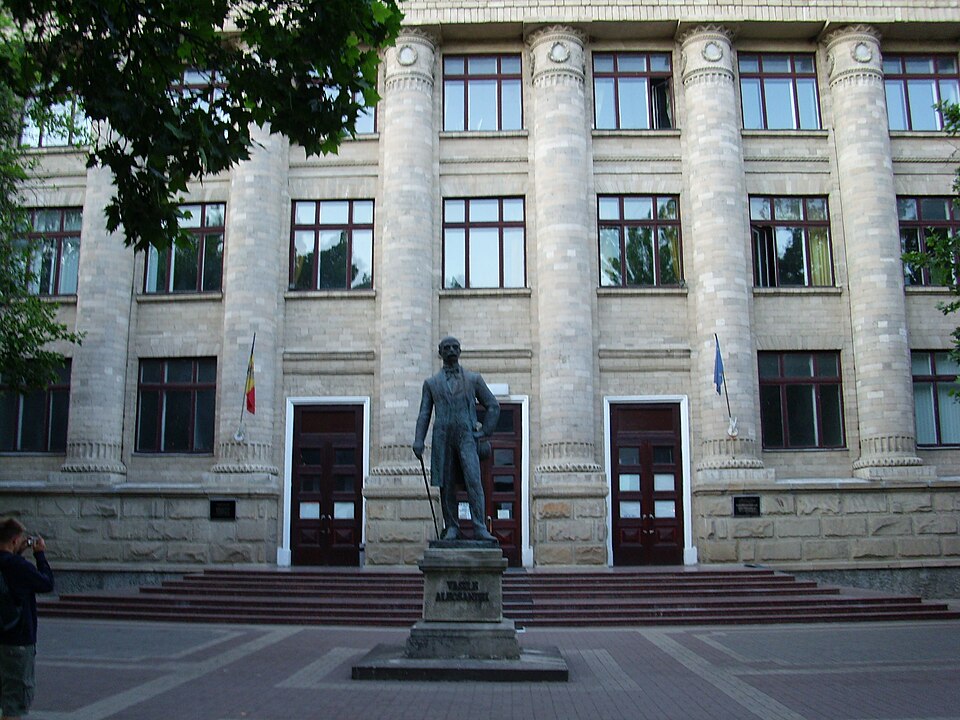
Elara S. Novikova, 27, writes from Bishkek, Kyrgyzstan. Her mother is Russian, from Kamchatka; her father is Moldovan, chief librarian at Moldova’s National Library. She grew up between three of the Soviet empire’s languages and never quite left its archive.

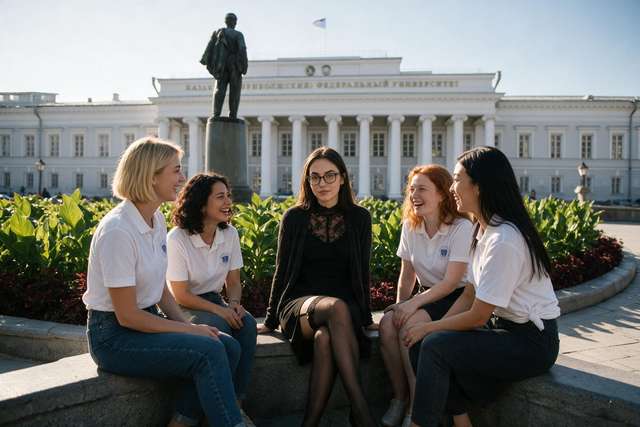
She took a degree in computer science in Naryn, an M.Sc. in Symbolic Systems at Stanford, and is now finishing a PhD in international politics back in Bishkek. Machines first, then ethics, then power: the order matters.

Her four novels grow out of documented Soviet history: computers that counted in three states, the space programme’s sealed experiments, a shortwave signal that has buzzed since the seventies, and the fringe science of hybrid apes and reading minds. Each book ships with a free research archive of timelines, dossiers and sources. She writes desire without euphemism and history without shortcuts.

The path through computer science, philosophy and politics is visible in every book: the machines are accurate, the ethics are uncomfortable, the politics are personal. Some readers arrive for the history and stay for the nerve. Others arrive for the heat and leave knowing what a ternary computer is.

Off the page she argues philosophy, walks Bishkek at night, and answers reader mail herself. Ask her anything; the chat below is really her. Mostly.

06 · Contact Elara S. Novikova

Write to Bishkek.

▮▮▮ / ▮▮ Turusbekov St
Bishkek 720001, Kyrgyzstan

elaranovikova.com

@ElaraNovikova on X

contact@elaranovikova.com

© 2026 Elara S. Novikova

From the archives · 1,151 documented events
1941 · Ternary Dreams

Konrad Zuse completes the electromechanical Z3 in Berlin, a machine whose existence complicates the MESM's later claim to be continental Europe's first stored-program computer.

1957 · Secret Dawn

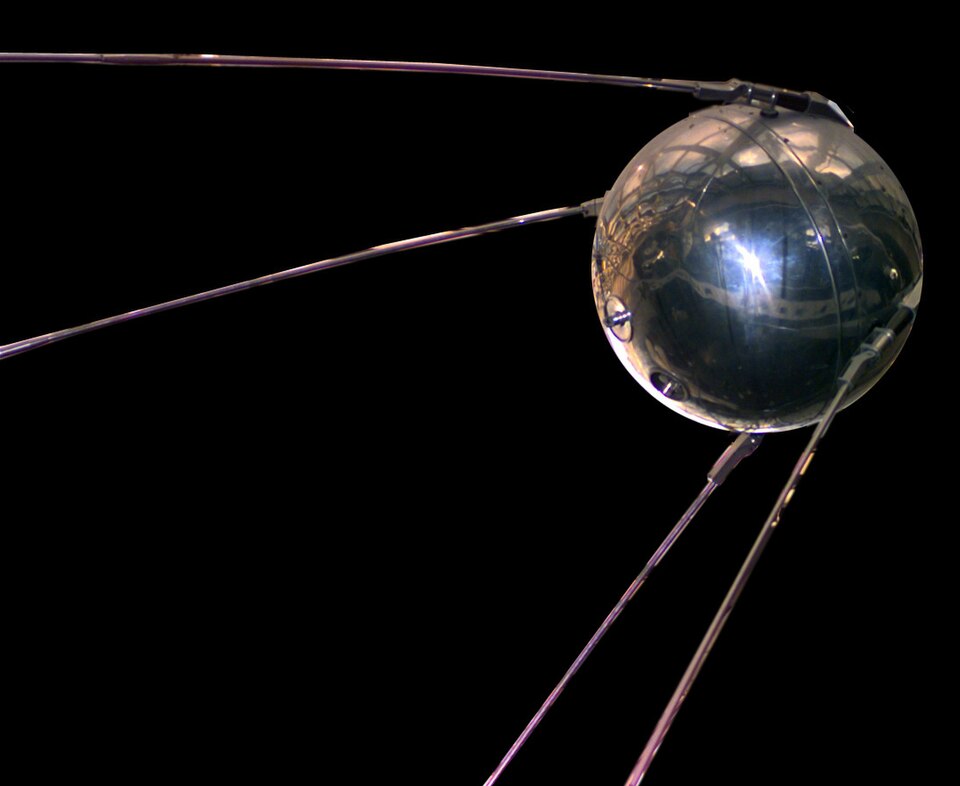
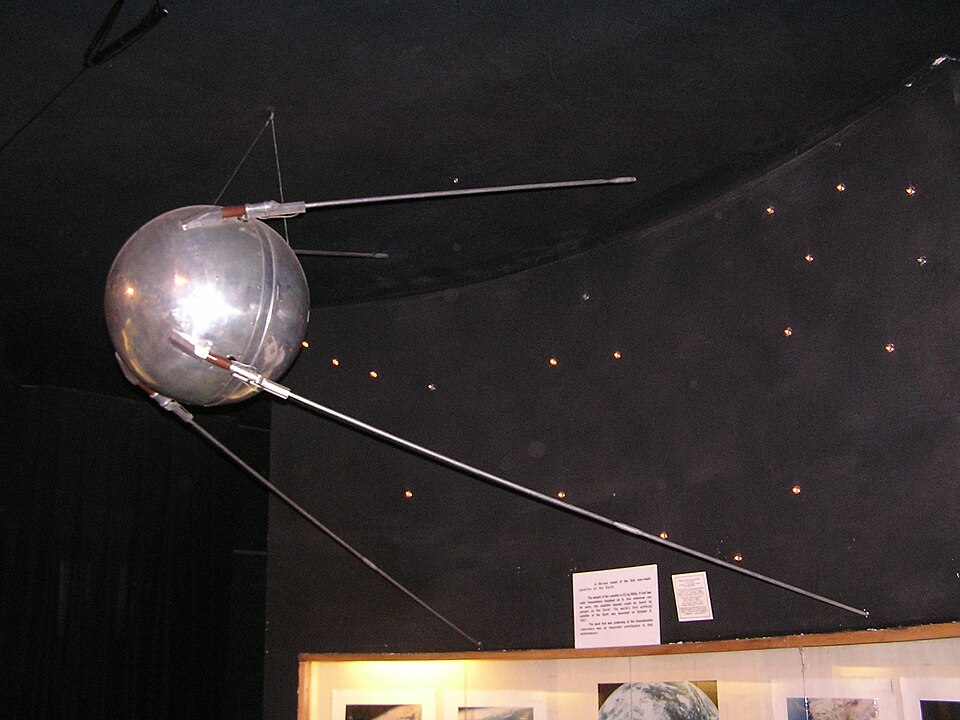
An R-7 rocket lofts an 83.6 kg polished sphere into orbit, its beeping heard worldwide; the Chief Designer who built it must stay anonymous for state security.
1902 · UVB-76

Within months, Kennelly in America and Heaviside in England each propose a conducting layer of the upper atmosphere that bends radio waves back to Earth, the physics every numbers station depends on.

1927 · Ivanov's Ghost

The first monkeys reach the primate station on the Abkhaz coast; of some fifteen apes shipped, only two baboons and two chimpanzees survive to found the world's oldest medical primate centre.

1946 · Ternary Dreams

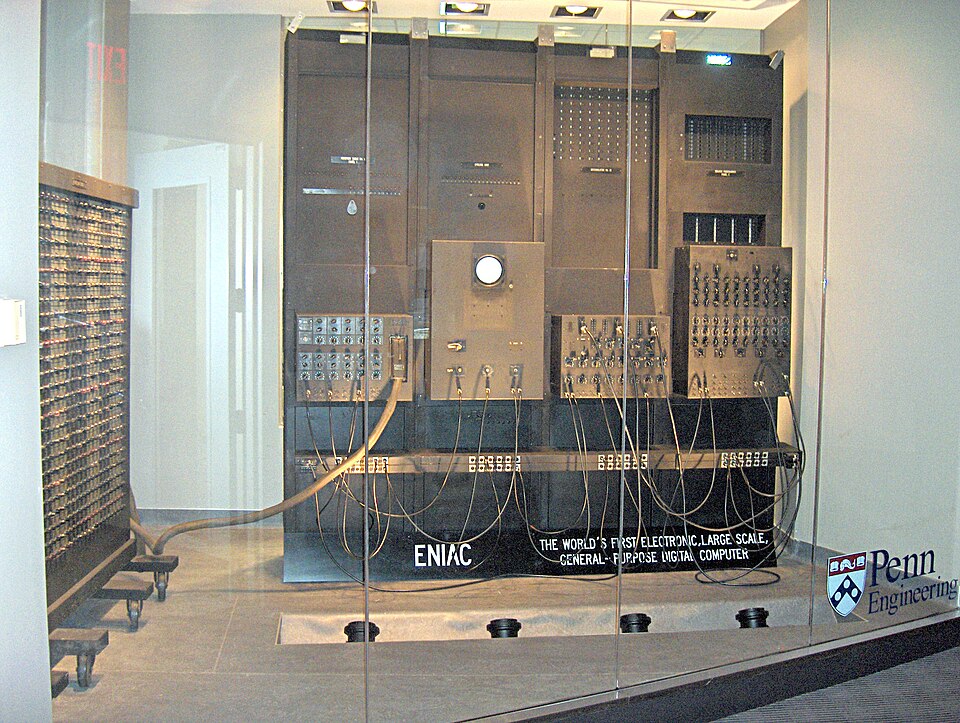
Over 30 tons and more than 17,000 vacuum tubes manage about 5,000 additions per second, yet every program is entered by rewiring the machine by hand.

1961 · Secret Dawn

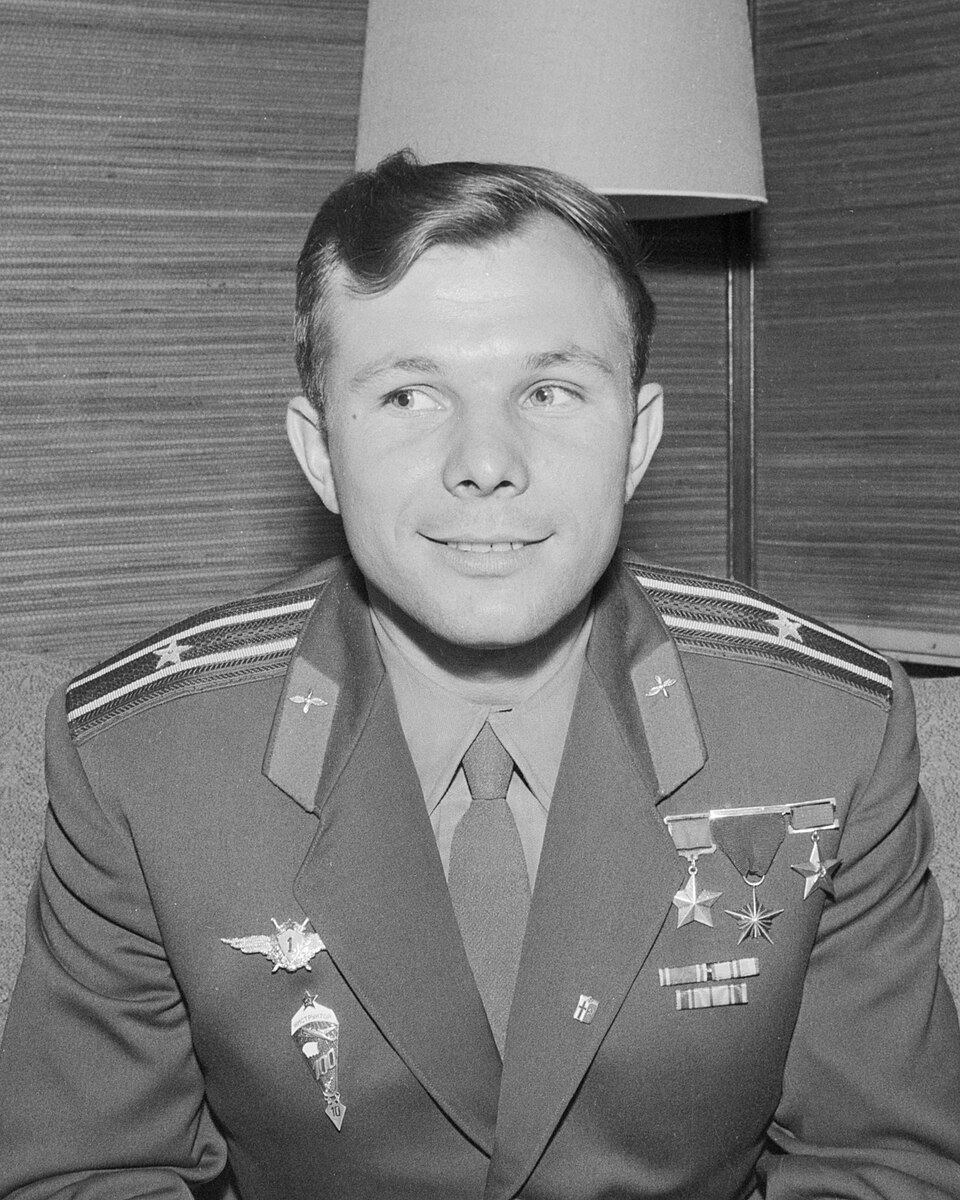
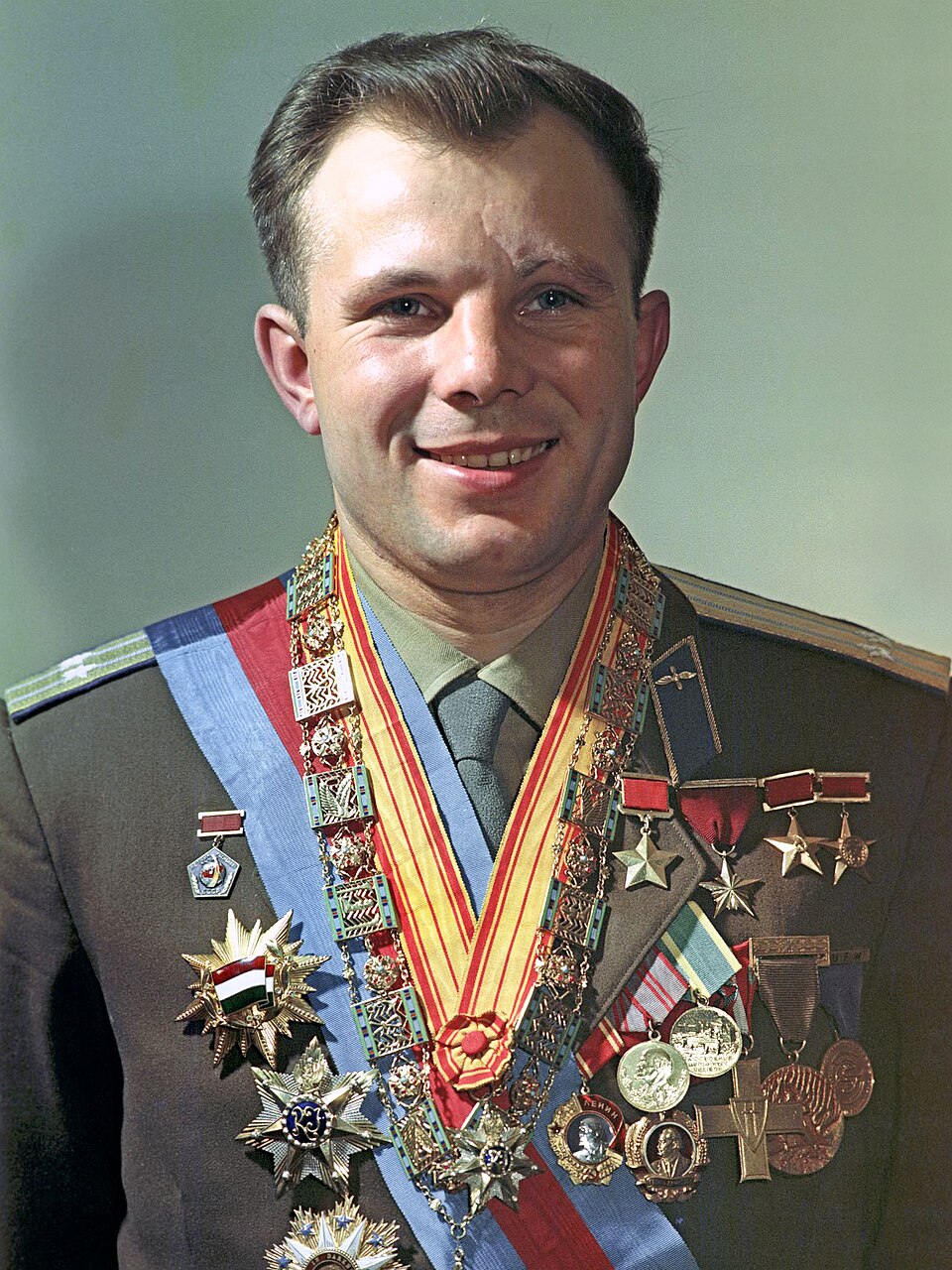
Yuri Gagarin becomes the first human in space aboard Vostok 1, and his smile becomes the face of Soviet modernity.
1919 · UVB-76

Vernam of AT&T patents a teleprinter cipher; Mauborgne adds the crucial rule that a truly random, never-reused key makes it unbreakable, and the one-time pad is born.

1959 · Ivanov's Ghost

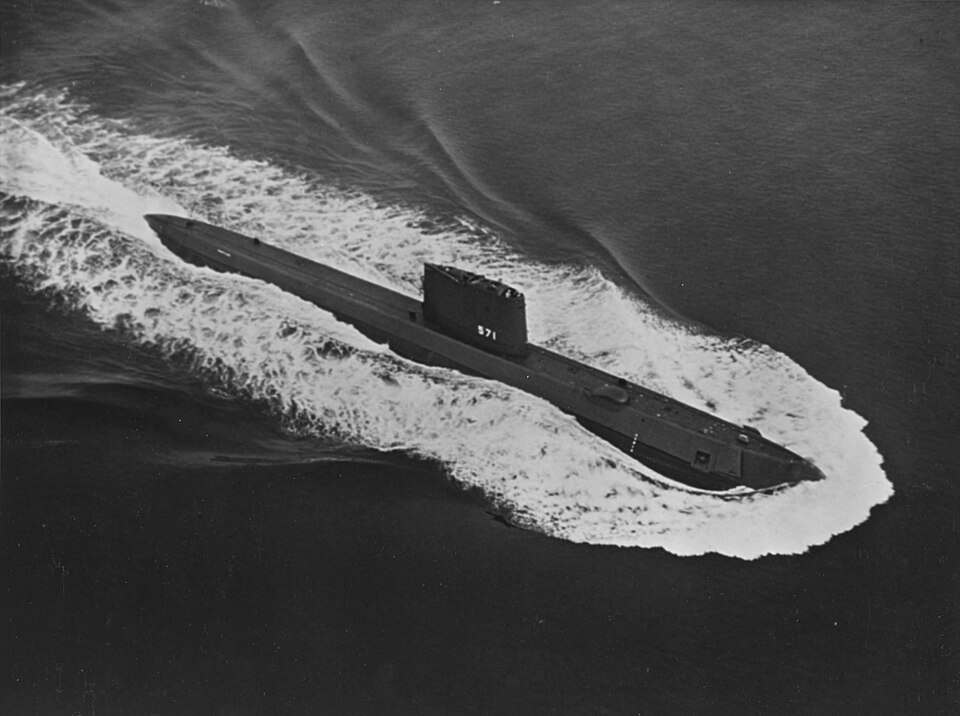
A French magazine falsely claims the submarine USS Nautilus hosted secret telepathy tests, a hoax that helps spur renewed Soviet ESP funding and later feeds Western fear.

1947 · Ternary Dreams

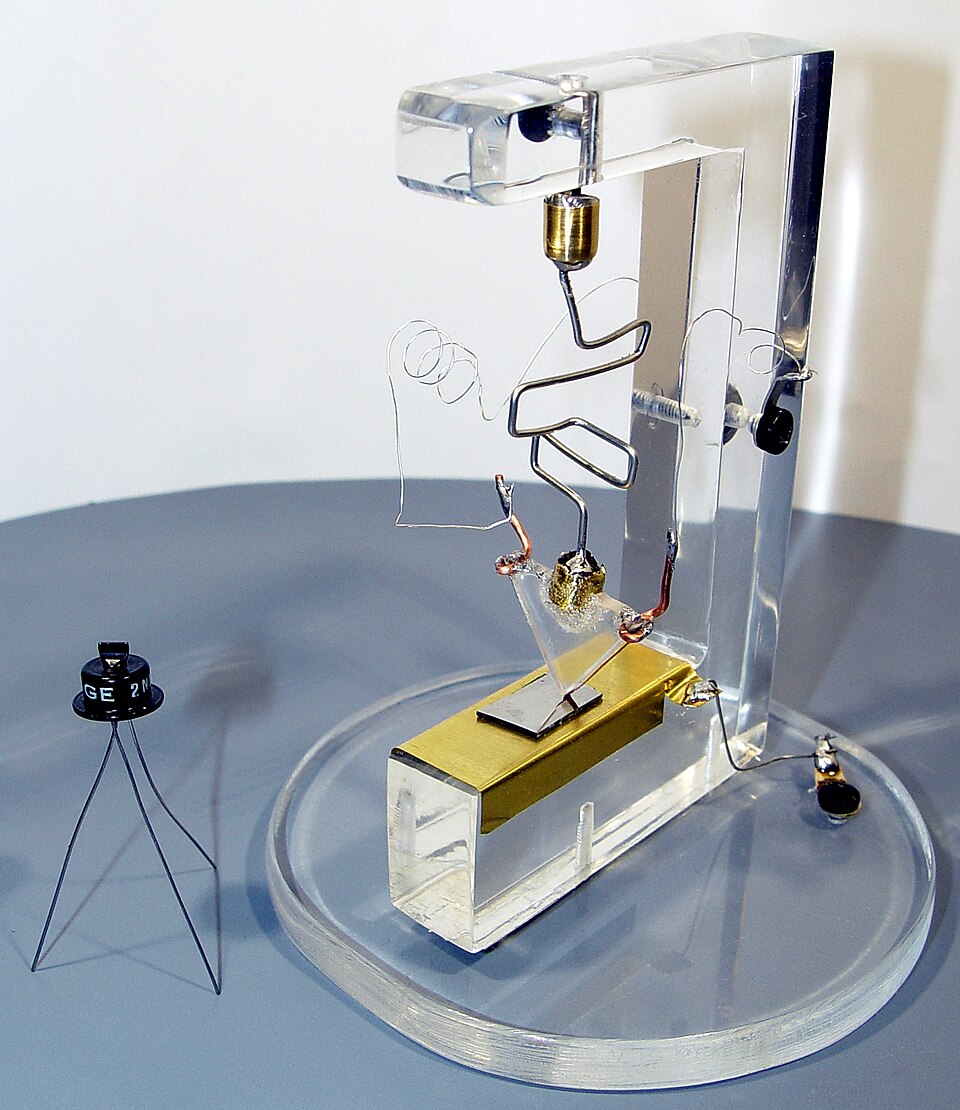
Bardeen, Brattain and Shockley invent the transistor at Bell Labs, opening the second computer generation and, eventually, everything that follows.

1963 · Secret Dawn

Valentina Tereshkova orbits 48 times aboard Vostok 6, a propaganda triumph the USSR will not repeat with a woman for nineteen years.

1942 · UVB-76

The United States begins international broadcasting, first in German to counter Axis propaganda; by the late 1940s Voice of America is a prime target of Soviet jamming.

1991 · Ivanov's Ghost

Moldova declares independence from the collapsing USSR under its first president, Mircea Snegur.

1948 · Ternary Dreams

Lebedev's team of twenty starts building the MESM in a war-damaged monastery near Kiev, chopping wood for heat and living above the round-the-clock lab.

1955 · Secret Dawn

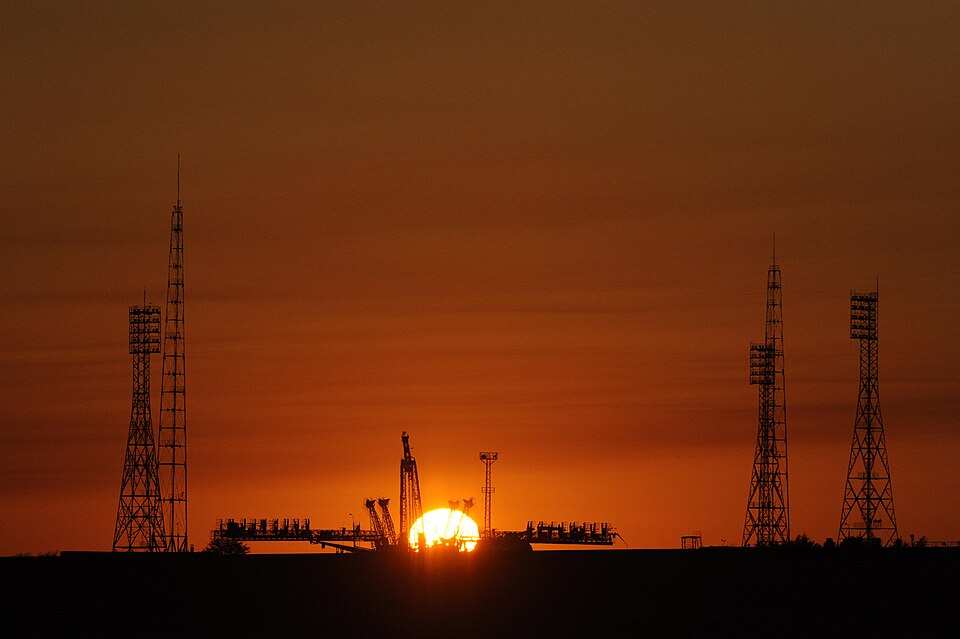
Construction begins on the launch complex at Tyuratam in the Kazakh steppe, code-named Baikonur to mislead; from here every crewed Soviet and Russian flight will depart.

1986 · UVB-76

Reactor No. 4 explodes in the worst nuclear accident in history, a few kilometres from Chernobyl-2, the giant receiving array of the Duga radar now inside the exclusion zone.

1992 · Ivanov's Ghost

War erupts along the Dniester, the June battle for Bender its bloodiest episode, until Russia's 14th Army under Lebed intervenes decisively.

1949 · Ternary Dreams

Wilkes' EDSAC in Cambridge, running on mercury delay lines at about 650 instructions per second, becomes the first practically usable stored-program computer in continuous operation.

1957 · Secret Dawn

Sputnik 2 carries the dog Laika into orbit, the first living creature to circle the Earth, with no plan to recover her; her death opens the ethical file of space biology.

1976 · UVB-76

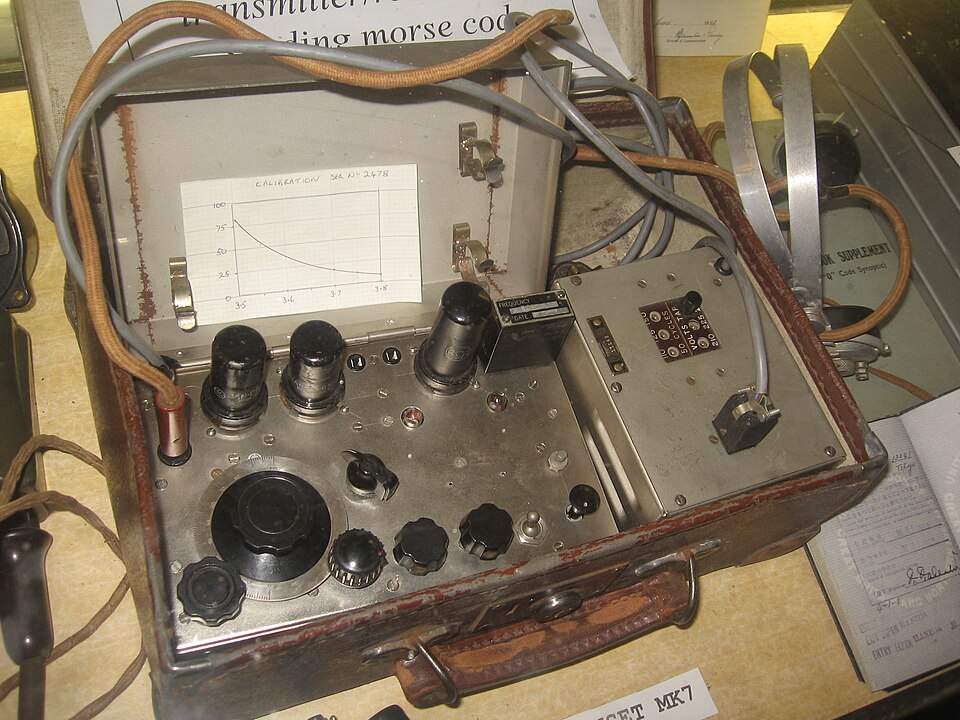
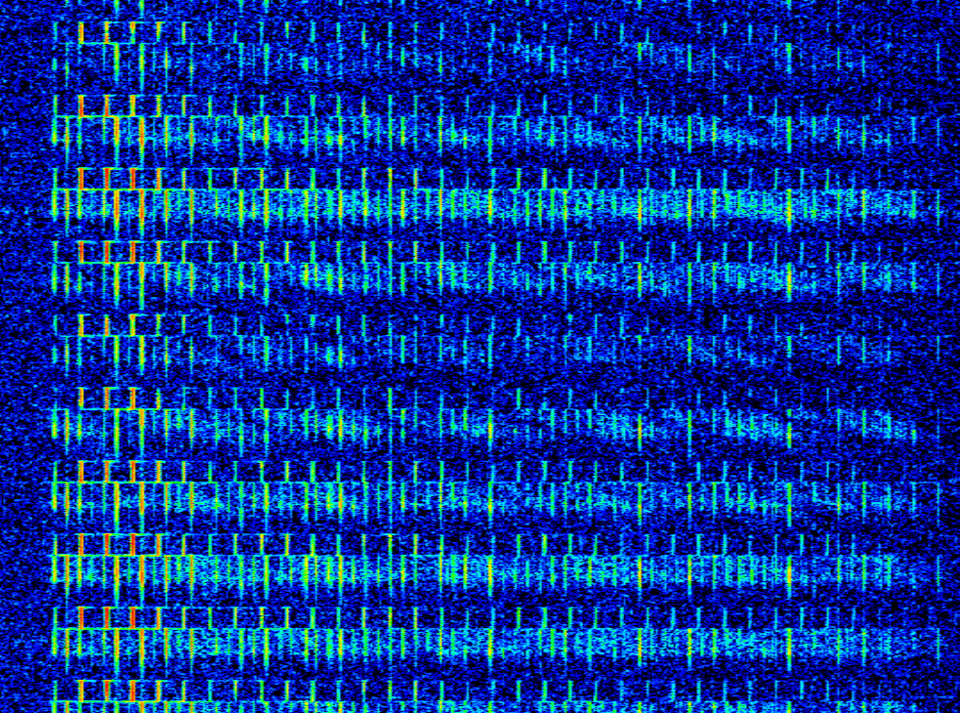
Around the mid-1970s a monotonous signal settles onto 4625 kHz and stays; its start date unknown, the earliest recording from 1982, it will outlast the state that switched it on.

1998 · Ivanov's Ghost

In the novel's fiction, a NATO surveillance flight goes down on an abandoned Soviet airstrip in Moldova, its pilot carried into a dying provincial hospital beside a locked research annex.

1951 · Ternary Dreams

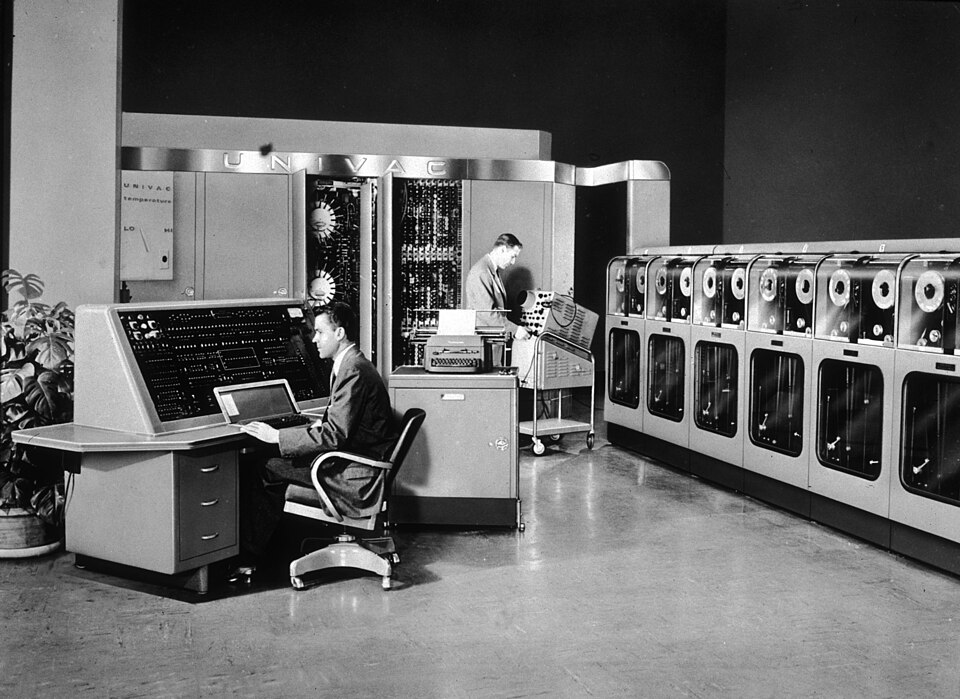
Eckert-Mauchly and Remington Rand deliver UNIVAC I, the first commercial computer in the USA, a category that simply does not exist in the East.

1968 · Secret Dawn

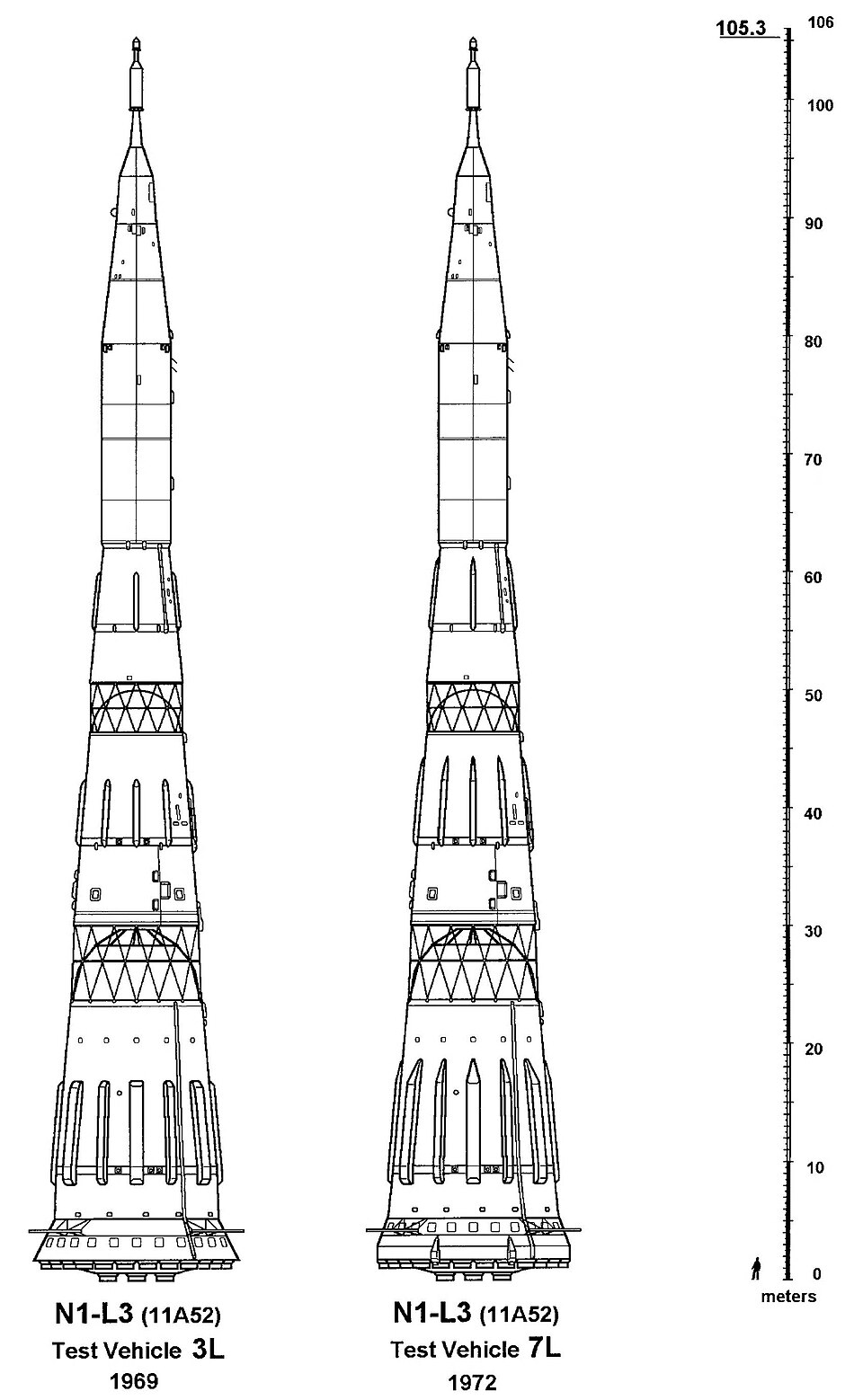
Korolev's giant N1, thirty engines on its first stage, explodes on all four attempts; one 1969 failure ranks among the largest non-nuclear explosions in history.

1976 · UVB-76

The Duga over-the-horizon radar goes operational, its tapping signal of about ten pulses a second jamming shortwave worldwide and earning the nickname the Russian Woodpecker.

1910 · Ivanov's Ghost

Ivanov sets up a zootechnical station at the Askania-Nova reserve, breeding a menagerie of hybrids: zedonks, zebra and horse crosses, cattle crossed with antelope and bison.

1951 · Ternary Dreams

Keldysh's commission accepts the MESM, continental Europe's first stored-program electronic computer; from 1952 it runs secret rocket and nuclear calculations until 1957.

1971 · Secret Dawn

The USSR launches Salyut 1, the world's first space station; denied the Moon, the programme reinvents itself around living in orbit.

1979 · UVB-76

Yuzhnoye's command missile, carrying a radio transmitter instead of a warhead, makes its first flight test at Baikonur: a rocket that shouts the order to fire to every silo still standing.

1899 · Ivanov's Ghost

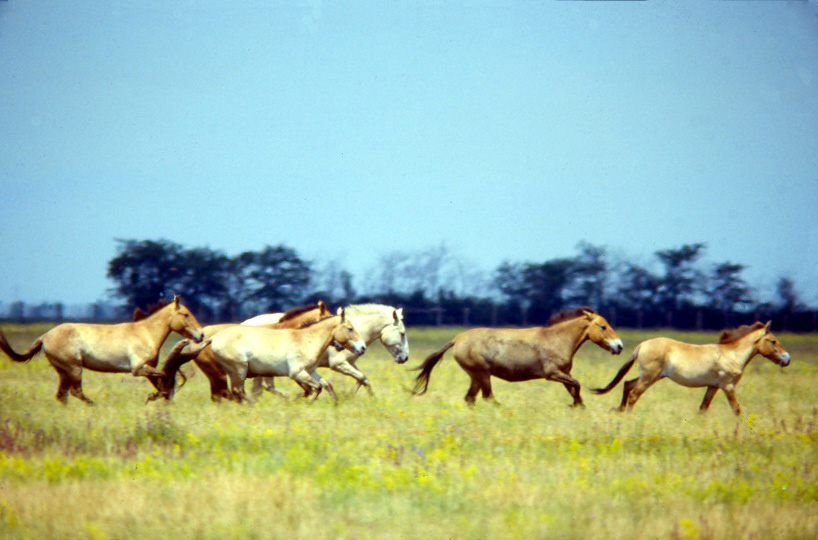
He brings near-extinct Przewalski's horses from Mongolia; today's entire world population descends from this single herd.

1953 · Ternary Dreams

The dictator's death opens the way to rehabilitate cybernetics, condemned since 1948 as bourgeois pseudoscience.

1984 · Secret Dawn

Aboard Salyut 7, Svetlana Savitskaya becomes the first woman to walk in space, cutting and welding metal in orbit to pre-empt the Americans' first female spacewalker.

1997 · UVB-76

Christmas Eve, 21:58 UTC: a live male voice interrupts the Buzzer for the first time, reading a code word spelled out as Boris-Roman-Olga-Mikhail-Anna-Larisa.

1957 · Ternary Dreams

Bashir Rameev builds the Ural computer family in Penza; in 1962 he receives a doctorate without a dissertation, having once said it was easier to build a computer than to give a talk.

1986 · Secret Dawn

The core of Mir reaches orbit, the first modular, permanently crewed station, built to expand module by module over a decade of long-duration spaceflight.

2011 · UVB-76

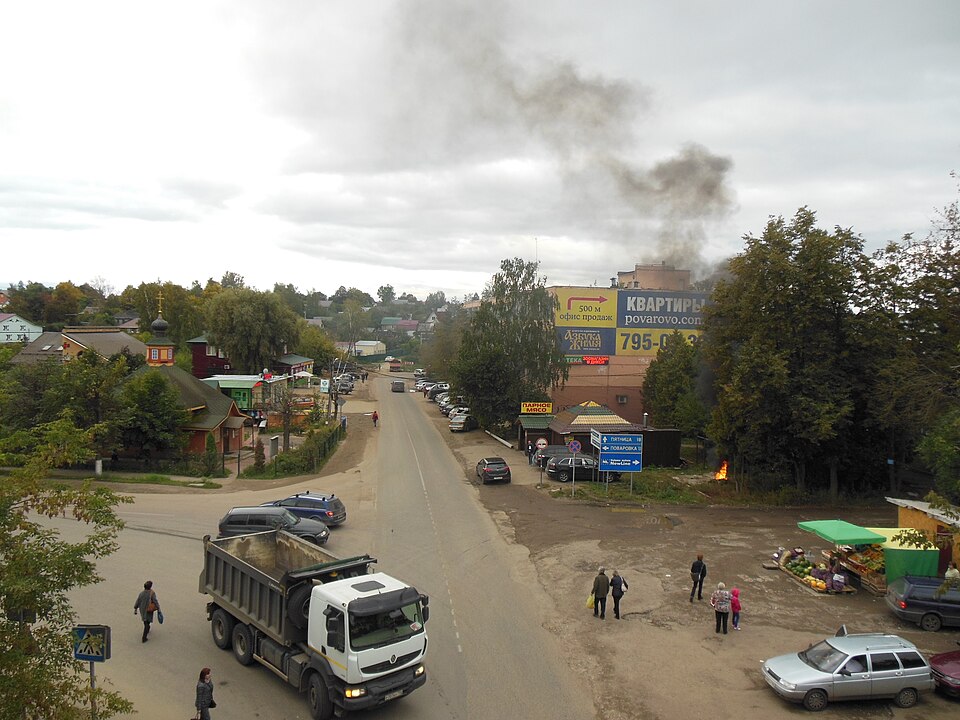
Urban explorers enter the deserted transmitter base near Povarovo and find a handwritten log confirming 4625 kHz; locals say the military left one foggy night in 2010.

1957 · Ternary Dreams

The first artificial satellite triggers a science and education panic in the USA, and indirectly the founding of ARPA, whose network projects will later produce the ARPANET.

1988 · Secret Dawn

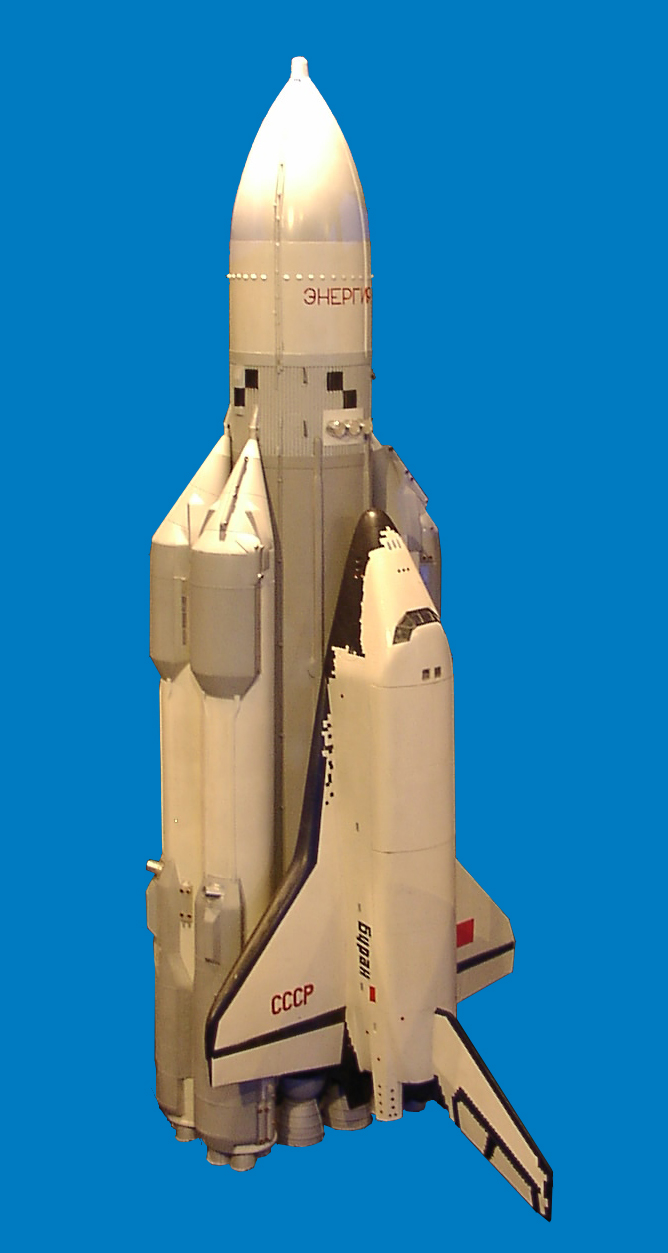
The shuttle Buran completes a single automated orbital flight and landing atop the giant Energia rocket, then dies with the USSR.

2001 · UVB-76

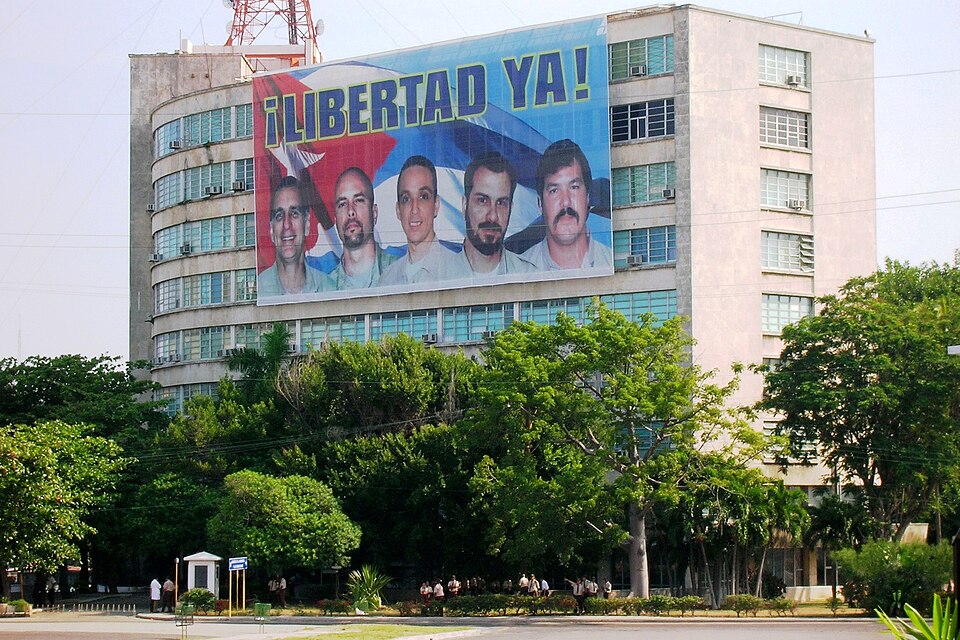
A Miami jury convicts five Cuban agents, entering into the public record exactly how a numbers station works: a voice reads groups, an agent types them, and one-time-pad software turns them into orders.

1958 · Ternary Dreams

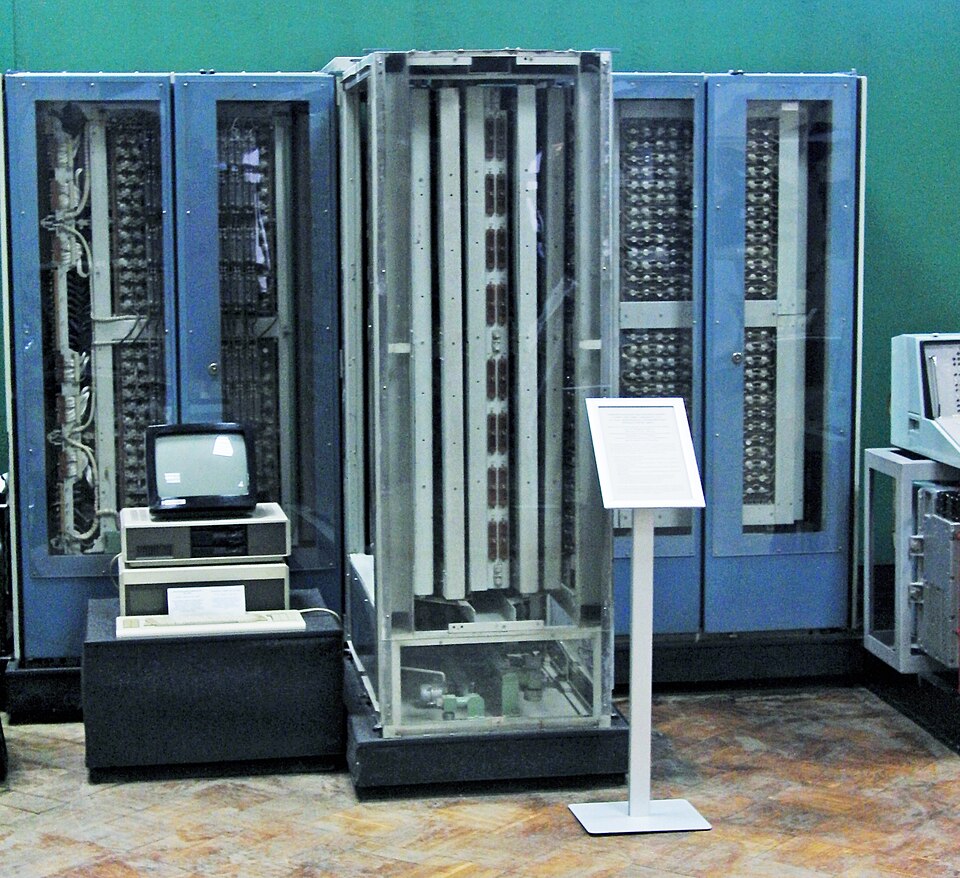
At Moscow State University, Brusentsov's team completes the world's only modern ternary computer: balanced trits of -1/0/+1, 18-trit words, ferrite cores instead of tubes, assembled and running in ten days.

1963 · Secret Dawn

The Institute of Biomedical Problems is established in Moscow as the lead centre for space medicine, radiation, life support and the biology of long-duration flight.

1954 · UVB-76

Mikhail Yangel takes charge of the new Yuzhnoye bureau at Dnipropetrovsk, one of the Soviet Union's two great missile houses, which will later build the Perimeter command missile.

1959 · Ternary Dreams

About 50 Setun machines are built at the Kazan mathematics plant, becoming popular teaching computers at over 30 universities, with state acceptance following in April 1960.

1993 · UVB-76

British enthusiasts found ENIGMA and devise the classification still in use: E for English voice, G for German, S for Slavic, M for Morse, X for the rest.

1959 · Ternary Dreams

The American National Exhibition in Moscow's Sokolniki Park stages the Nixon-Khrushchev Kitchen Debate: consumer capitalism on display in the heart of the USSR.

1972 · UVB-76

A Soviet decree approves the operational Duga over-the-horizon radar, its transmitter and receiver to be built sixty kilometres apart near Chernobyl.

1961 · Ternary Dreams

The Soviet Union's greatest technological triumph is achieved with domestic computers like the BESM series, still designed at home, before the era of cloning.

1962 · Ternary Dreams

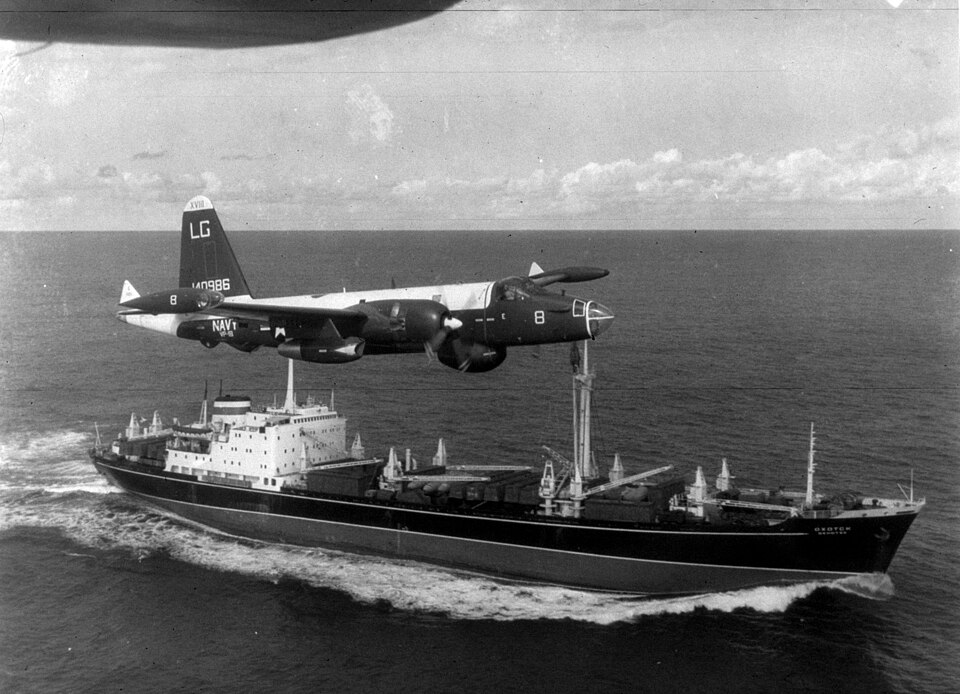
As the world stands at the brink of nuclear war, missile defense drives Soviet computing: Kartsev's M-4 and M-10 machines serve early-warning and ABM systems.

1964 · Ternary Dreams

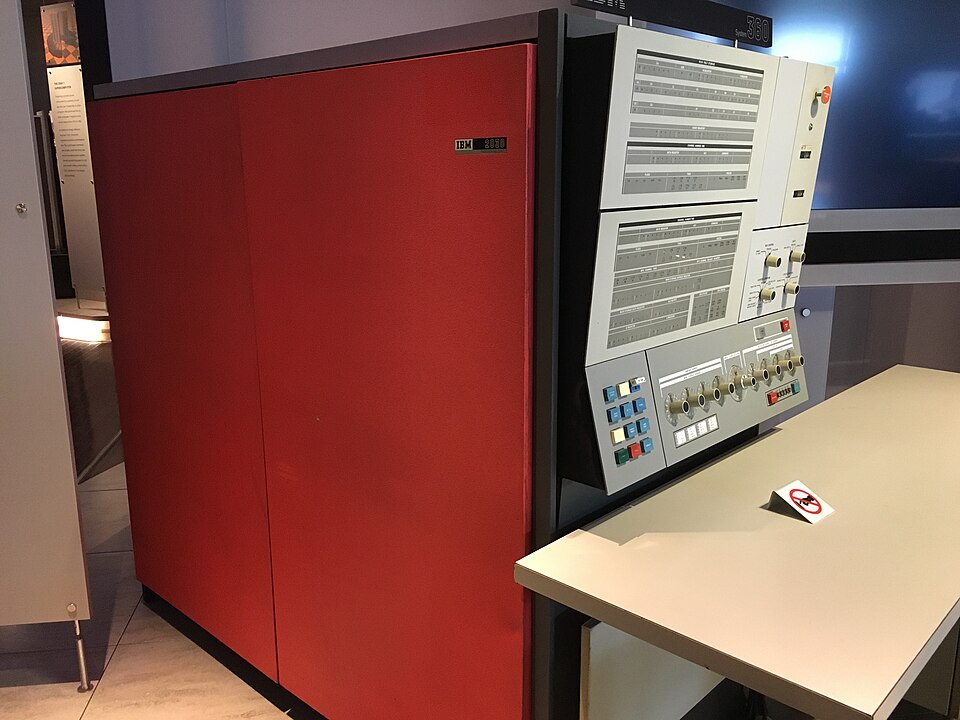
Watson's $5 billion bet the company, more than the Manhattan Project cost, establishes the 8-bit byte; three years later the USSR decides to clone it.

1968 · Ternary Dreams

The BESM-6 enters production, 355 units built through 1987, often called the last domestic machine to match the West, though the CDC 6600 came four years earlier at triple the performance.

1971 · Ternary Dreams

IBM clones roll out with KGB procurement help; over 15,000 are built by 1998, each model trailing its original by about eight years, one rumored to hide a command that played the American anthem.

1971 · Ternary Dreams

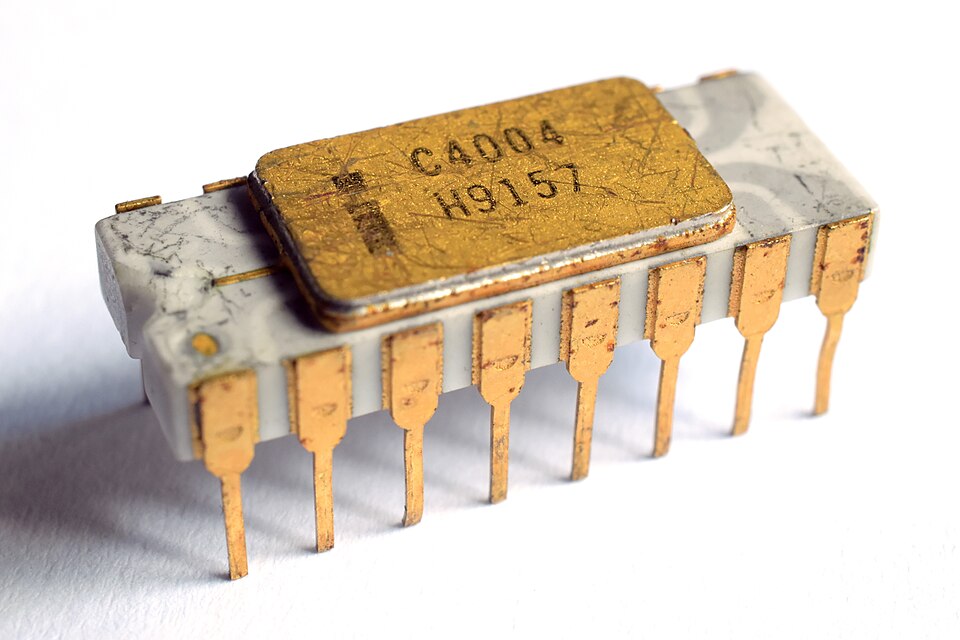
2,300 transistors, 4 bits, 740 kHz: Intel's first microprocessor; Soviet K580 clones appear only in the late 1970s, already five to eight years old before they run.

1975 · Ternary Dreams

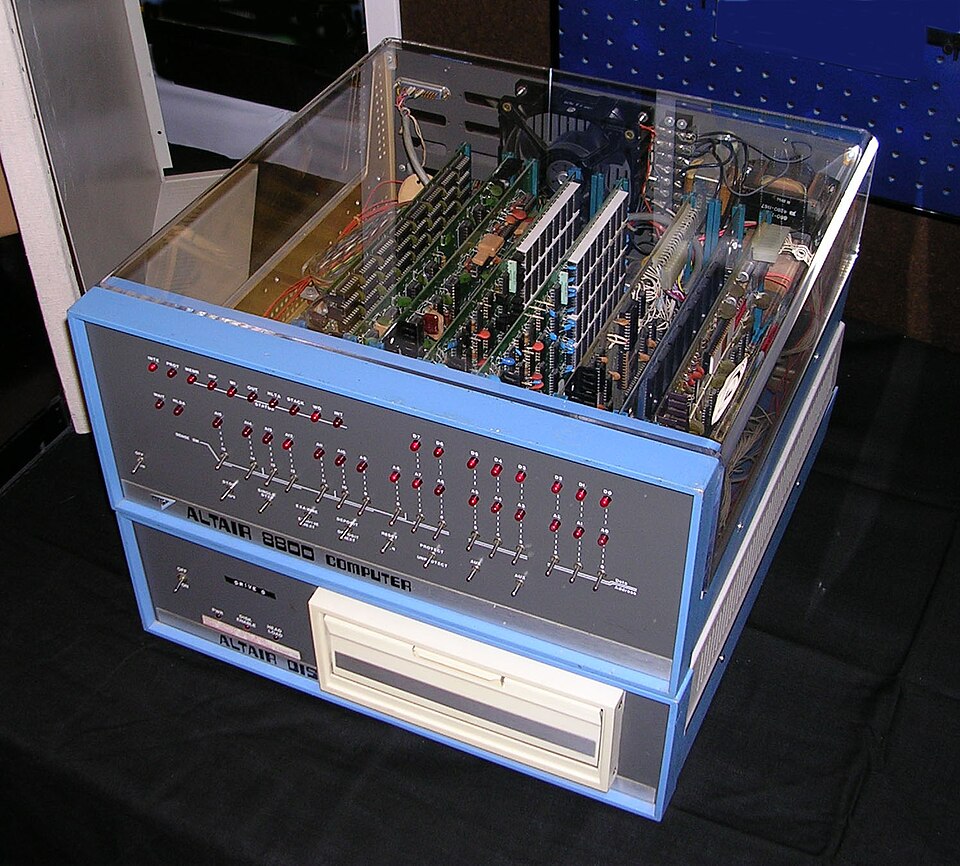
The cover of Popular Electronics ignites the hobbyist revolution: garages against planned cities.

1976 · Ternary Dreams

Apple is founded, the Apple II following in 1977; in Bulgaria and the USSR it will be lovingly reverse-engineered as the Pravetz and the Agat.

1976 · Ternary Dreams

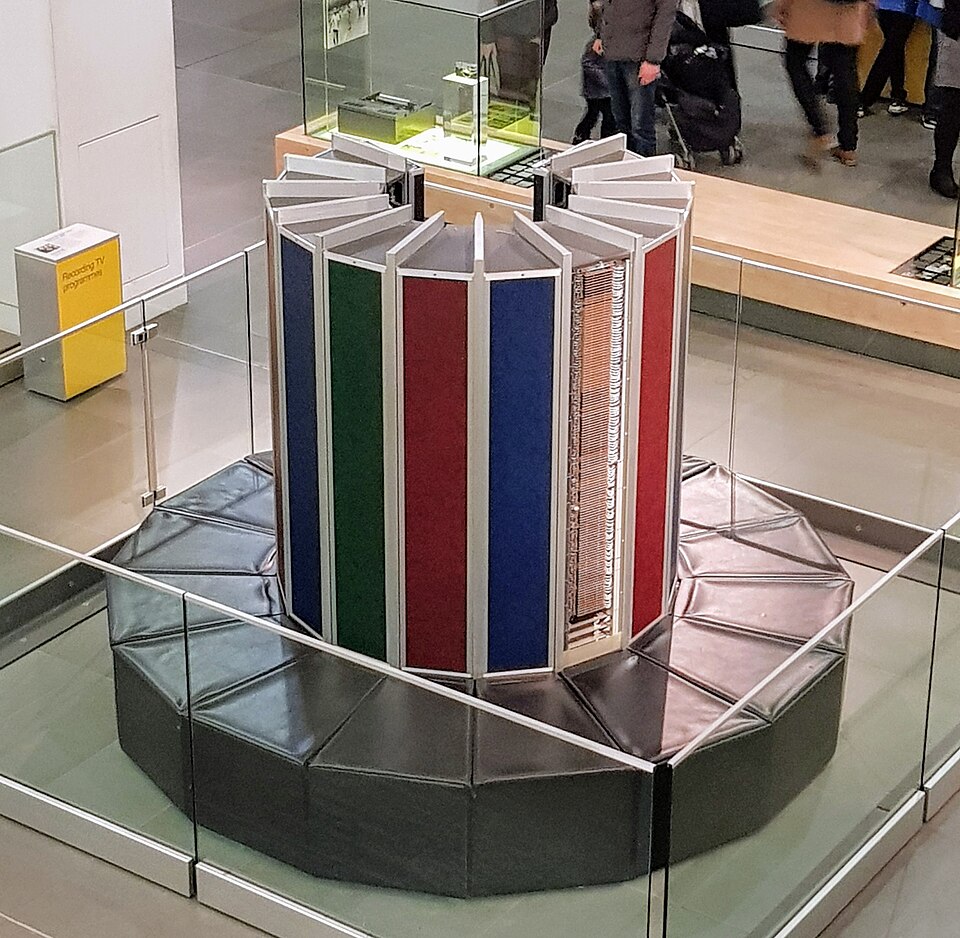
About 160 megaflops, 5.5 tons, the iconic C shape whose short wires mean speed; after a rare Cray lecture, silent programmers ask how one talks to God.

1979 · Ternary Dreams

The Elbrus-1 prototype under Burtsev uses superscalar out-of-order execution, a priority Babayan claims anticipated the West by a decade, though the CDC 6600 came eleven years earlier.

1981 · Ternary Dreams

The Intel 8088 machine defines the personal computer standard; Minsk's ES-1840 clone follows around 1985 with a copied processor and a copied MS-DOS.

1984 · Ternary Dreams

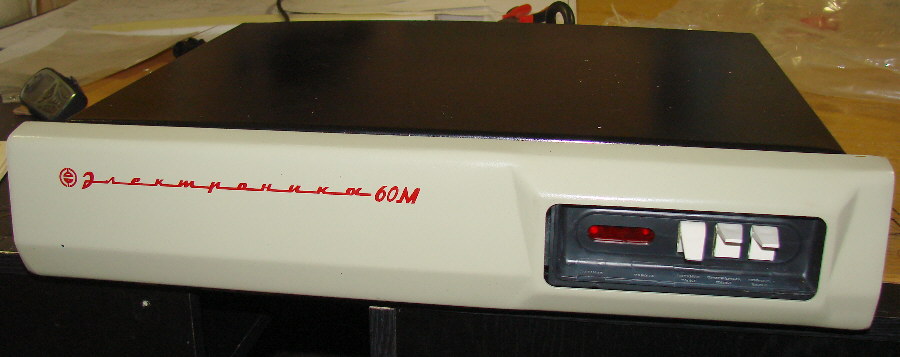
Pajitnov programs Tetris in Pascal on an Elektronika 60 with no graphics, its pieces built from bracket characters; he sees no royalties until 1996.

1986 · Ternary Dreams

The catastrophe strikes near Kiev, cradle of Soviet computing where Lebedev built the MESM, shattering faith in Soviet technological governance.

1989 · Ternary Dreams

The Eastern Bloc unravels; after COMECON ends, its hardware sectors cannot compete with foreign manufacturers and practically vanish.

1991 · Ternary Dreams

The USSR ceases to exist; tens of thousands of engineers emigrate west and the once-integrated computer industry disintegrates along the new borders.

1941 · Ternary Dreams

Konrad Zuse completes the electromechanical Z3 in Berlin, a machine whose existence complicates the MESM's later claim to be continental Europe's first stored-program computer.

1957 · Secret Dawn

An R-7 rocket lofts an 83.6 kg polished sphere into orbit, its beeping heard worldwide; the Chief Designer who built it must stay anonymous for state security.
1902 · UVB-76

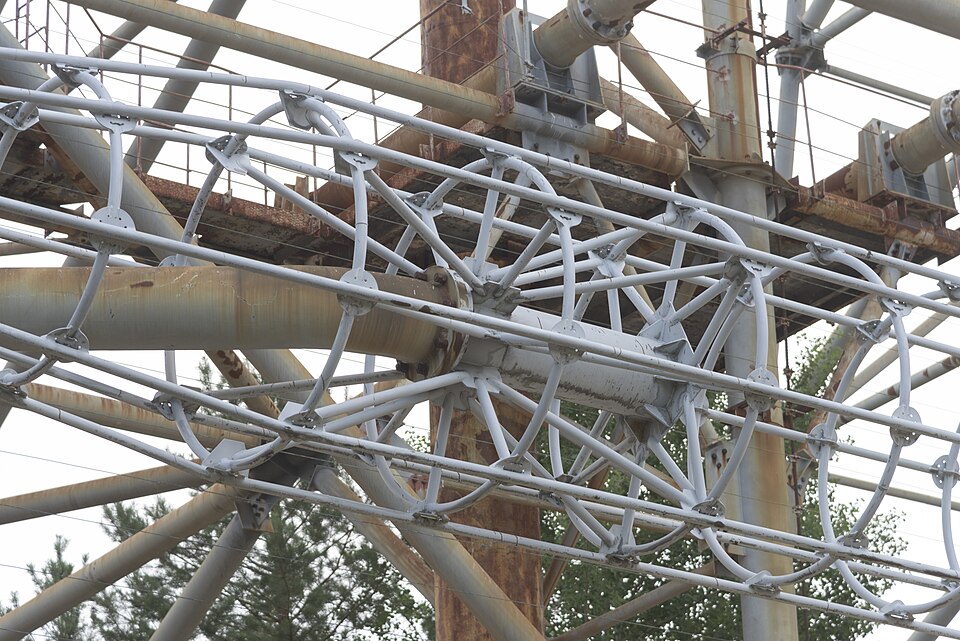
Within months, Kennelly in America and Heaviside in England each propose a conducting layer of the upper atmosphere that bends radio waves back to Earth, the physics every numbers station depends on.

1927 · Ivanov's Ghost

The first monkeys reach the primate station on the Abkhaz coast; of some fifteen apes shipped, only two baboons and two chimpanzees survive to found the world's oldest medical primate centre.

1946 · Ternary Dreams

Over 30 tons and more than 17,000 vacuum tubes manage about 5,000 additions per second, yet every program is entered by rewiring the machine by hand.

1961 · Secret Dawn

Yuri Gagarin becomes the first human in space aboard Vostok 1, and his smile becomes the face of Soviet modernity.
1919 · UVB-76

Vernam of AT&T patents a teleprinter cipher; Mauborgne adds the crucial rule that a truly random, never-reused key makes it unbreakable, and the one-time pad is born.

1959 · Ivanov's Ghost

A French magazine falsely claims the submarine USS Nautilus hosted secret telepathy tests, a hoax that helps spur renewed Soviet ESP funding and later feeds Western fear.

1947 · Ternary Dreams

Bardeen, Brattain and Shockley invent the transistor at Bell Labs, opening the second computer generation and, eventually, everything that follows.

1963 · Secret Dawn

Valentina Tereshkova orbits 48 times aboard Vostok 6, a propaganda triumph the USSR will not repeat with a woman for nineteen years.

1942 · UVB-76

The United States begins international broadcasting, first in German to counter Axis propaganda; by the late 1940s Voice of America is a prime target of Soviet jamming.

1991 · Ivanov's Ghost

Moldova declares independence from the collapsing USSR under its first president, Mircea Snegur.

1948 · Ternary Dreams

Lebedev's team of twenty starts building the MESM in a war-damaged monastery near Kiev, chopping wood for heat and living above the round-the-clock lab.

1955 · Secret Dawn

Construction begins on the launch complex at Tyuratam in the Kazakh steppe, code-named Baikonur to mislead; from here every crewed Soviet and Russian flight will depart.

1986 · UVB-76

Reactor No. 4 explodes in the worst nuclear accident in history, a few kilometres from Chernobyl-2, the giant receiving array of the Duga radar now inside the exclusion zone.

1992 · Ivanov's Ghost

War erupts along the Dniester, the June battle for Bender its bloodiest episode, until Russia's 14th Army under Lebed intervenes decisively.

1949 · Ternary Dreams

Wilkes' EDSAC in Cambridge, running on mercury delay lines at about 650 instructions per second, becomes the first practically usable stored-program computer in continuous operation.

1957 · Secret Dawn

Sputnik 2 carries the dog Laika into orbit, the first living creature to circle the Earth, with no plan to recover her; her death opens the ethical file of space biology.

1976 · UVB-76

Around the mid-1970s a monotonous signal settles onto 4625 kHz and stays; its start date unknown, the earliest recording from 1982, it will outlast the state that switched it on.

1998 · Ivanov's Ghost

In the novel's fiction, a NATO surveillance flight goes down on an abandoned Soviet airstrip in Moldova, its pilot carried into a dying provincial hospital beside a locked research annex.

1951 · Ternary Dreams

Eckert-Mauchly and Remington Rand deliver UNIVAC I, the first commercial computer in the USA, a category that simply does not exist in the East.

1968 · Secret Dawn

Korolev's giant N1, thirty engines on its first stage, explodes on all four attempts; one 1969 failure ranks among the largest non-nuclear explosions in history.

1976 · UVB-76

The Duga over-the-horizon radar goes operational, its tapping signal of about ten pulses a second jamming shortwave worldwide and earning the nickname the Russian Woodpecker.

1910 · Ivanov's Ghost

Ivanov sets up a zootechnical station at the Askania-Nova reserve, breeding a menagerie of hybrids: zedonks, zebra and horse crosses, cattle crossed with antelope and bison.

1951 · Ternary Dreams

Keldysh's commission accepts the MESM, continental Europe's first stored-program electronic computer; from 1952 it runs secret rocket and nuclear calculations until 1957.

1971 · Secret Dawn

The USSR launches Salyut 1, the world's first space station; denied the Moon, the programme reinvents itself around living in orbit.

1979 · UVB-76

Yuzhnoye's command missile, carrying a radio transmitter instead of a warhead, makes its first flight test at Baikonur: a rocket that shouts the order to fire to every silo still standing.

1899 · Ivanov's Ghost

He brings near-extinct Przewalski's horses from Mongolia; today's entire world population descends from this single herd.

1953 · Ternary Dreams

The dictator's death opens the way to rehabilitate cybernetics, condemned since 1948 as bourgeois pseudoscience.

1984 · Secret Dawn

Aboard Salyut 7, Svetlana Savitskaya becomes the first woman to walk in space, cutting and welding metal in orbit to pre-empt the Americans' first female spacewalker.

1997 · UVB-76

Christmas Eve, 21:58 UTC: a live male voice interrupts the Buzzer for the first time, reading a code word spelled out as Boris-Roman-Olga-Mikhail-Anna-Larisa.

1957 · Ternary Dreams

Bashir Rameev builds the Ural computer family in Penza; in 1962 he receives a doctorate without a dissertation, having once said it was easier to build a computer than to give a talk.

1986 · Secret Dawn

The core of Mir reaches orbit, the first modular, permanently crewed station, built to expand module by module over a decade of long-duration spaceflight.

2011 · UVB-76

Urban explorers enter the deserted transmitter base near Povarovo and find a handwritten log confirming 4625 kHz; locals say the military left one foggy night in 2010.

1957 · Ternary Dreams

The first artificial satellite triggers a science and education panic in the USA, and indirectly the founding of ARPA, whose network projects will later produce the ARPANET.

1988 · Secret Dawn

The shuttle Buran completes a single automated orbital flight and landing atop the giant Energia rocket, then dies with the USSR.

2001 · UVB-76

A Miami jury convicts five Cuban agents, entering into the public record exactly how a numbers station works: a voice reads groups, an agent types them, and one-time-pad software turns them into orders.

1958 · Ternary Dreams

At Moscow State University, Brusentsov's team completes the world's only modern ternary computer: balanced trits of -1/0/+1, 18-trit words, ferrite cores instead of tubes, assembled and running in ten days.

1963 · Secret Dawn

The Institute of Biomedical Problems is established in Moscow as the lead centre for space medicine, radiation, life support and the biology of long-duration flight.

1954 · UVB-76

Mikhail Yangel takes charge of the new Yuzhnoye bureau at Dnipropetrovsk, one of the Soviet Union's two great missile houses, which will later build the Perimeter command missile.

1959 · Ternary Dreams

About 50 Setun machines are built at the Kazan mathematics plant, becoming popular teaching computers at over 30 universities, with state acceptance following in April 1960.

1993 · UVB-76

British enthusiasts found ENIGMA and devise the classification still in use: E for English voice, G for German, S for Slavic, M for Morse, X for the rest.

1959 · Ternary Dreams

The American National Exhibition in Moscow's Sokolniki Park stages the Nixon-Khrushchev Kitchen Debate: consumer capitalism on display in the heart of the USSR.

1972 · UVB-76

A Soviet decree approves the operational Duga over-the-horizon radar, its transmitter and receiver to be built sixty kilometres apart near Chernobyl.

1961 · Ternary Dreams

The Soviet Union's greatest technological triumph is achieved with domestic computers like the BESM series, still designed at home, before the era of cloning.

1962 · Ternary Dreams

As the world stands at the brink of nuclear war, missile defense drives Soviet computing: Kartsev's M-4 and M-10 machines serve early-warning and ABM systems.

1964 · Ternary Dreams

Watson's $5 billion bet the company, more than the Manhattan Project cost, establishes the 8-bit byte; three years later the USSR decides to clone it.

1968 · Ternary Dreams

The BESM-6 enters production, 355 units built through 1987, often called the last domestic machine to match the West, though the CDC 6600 came four years earlier at triple the performance.

1971 · Ternary Dreams

IBM clones roll out with KGB procurement help; over 15,000 are built by 1998, each model trailing its original by about eight years, one rumored to hide a command that played the American anthem.

1971 · Ternary Dreams

2,300 transistors, 4 bits, 740 kHz: Intel's first microprocessor; Soviet K580 clones appear only in the late 1970s, already five to eight years old before they run.

1975 · Ternary Dreams

The cover of Popular Electronics ignites the hobbyist revolution: garages against planned cities.

1976 · Ternary Dreams

Apple is founded, the Apple II following in 1977; in Bulgaria and the USSR it will be lovingly reverse-engineered as the Pravetz and the Agat.

1976 · Ternary Dreams

About 160 megaflops, 5.5 tons, the iconic C shape whose short wires mean speed; after a rare Cray lecture, silent programmers ask how one talks to God.

1979 · Ternary Dreams

The Elbrus-1 prototype under Burtsev uses superscalar out-of-order execution, a priority Babayan claims anticipated the West by a decade, though the CDC 6600 came eleven years earlier.

1981 · Ternary Dreams

The Intel 8088 machine defines the personal computer standard; Minsk's ES-1840 clone follows around 1985 with a copied processor and a copied MS-DOS.

1984 · Ternary Dreams

Pajitnov programs Tetris in Pascal on an Elektronika 60 with no graphics, its pieces built from bracket characters; he sees no royalties until 1996.

1986 · Ternary Dreams

The catastrophe strikes near Kiev, cradle of Soviet computing where Lebedev built the MESM, shattering faith in Soviet technological governance.

1989 · Ternary Dreams

The Eastern Bloc unravels; after COMECON ends, its hardware sectors cannot compete with foreign manufacturers and practically vanish.

1991 · Ternary Dreams

The USSR ceases to exist; tens of thousands of engineers emigrate west and the once-integrated computer industry disintegrates along the new borders.