Gate Six
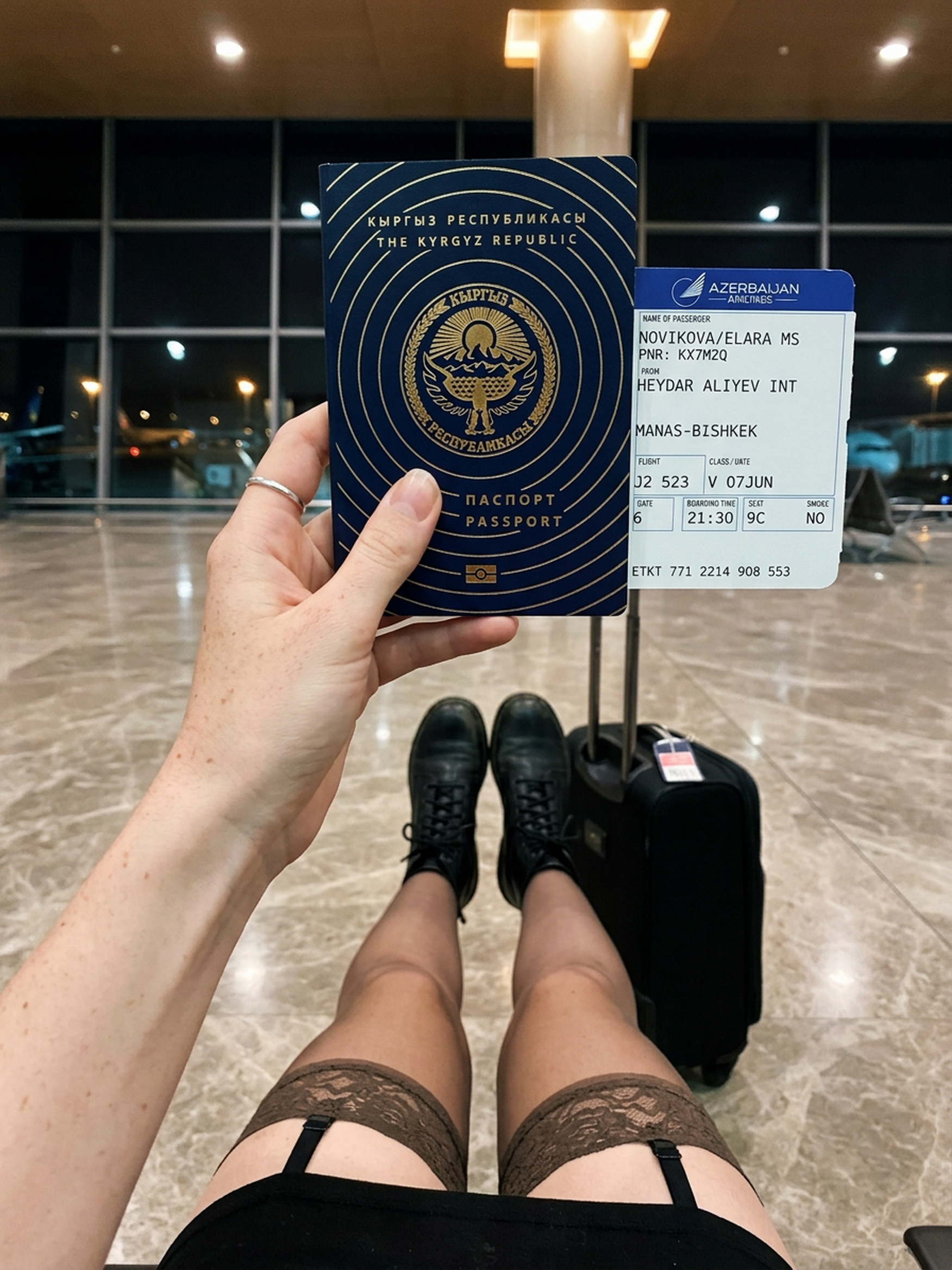 ←→
←→I gave the red Niva back this morning, washed, which is a small ritual I have started to trust. A borrowed car should be returned cleaner than it was lent, and the friend of a friend who handed me the keys two weeks ago took them back without inspecting anything, which I choose to read as the higher compliment. Then a taxi, then a counter, then the same stiff card stock as in Bishkek, printed the other way round.
Same form, opposite direction, and the small human differences that a form cannot hide. This one has a gate printed on it, six, because Baku prints what Bishkek prefers to shout. Boarding at half past nine in the evening. Seat nine C, aisle, which two weeks ago I would have called a waste. Going out I wanted the window over the water. Coming back I want to be able to stand up without negotiating with a stranger, and I want to sleep, and I no longer need the Caspian to prove anything to me.
It lands at Manas a little after three in the morning, which means the night belongs to the airline and the day after belongs to nobody. I know exactly how that arrival goes: cold air at the door that resets your whole nervous system, a marshrutka that smells of diesel and other people's holidays, and a courtyard where a car I actually own has been sitting under a coat of dust for a fortnight, sulking.
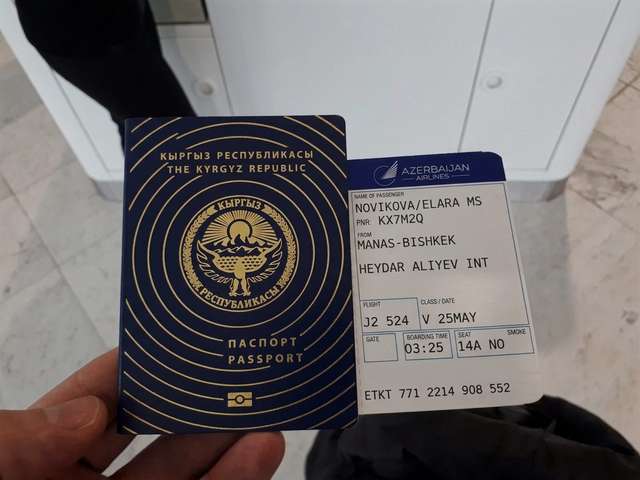
Two boarding passes, then, for one trip. The outbound one is already soft at the fold from riding in a notebook. This one will go in the same place and the two of them will end up filed together, out of order, in a drawer I genuinely intend to organise. That is what the record looks like when nobody is keeping it professionally. A pair of stubs, a direction each, and the fortnight between them held entirely in the difference.


One short email when a new book is out or a price changes. Nothing else, and no forwarding to anyone.