People who know my face but not my name
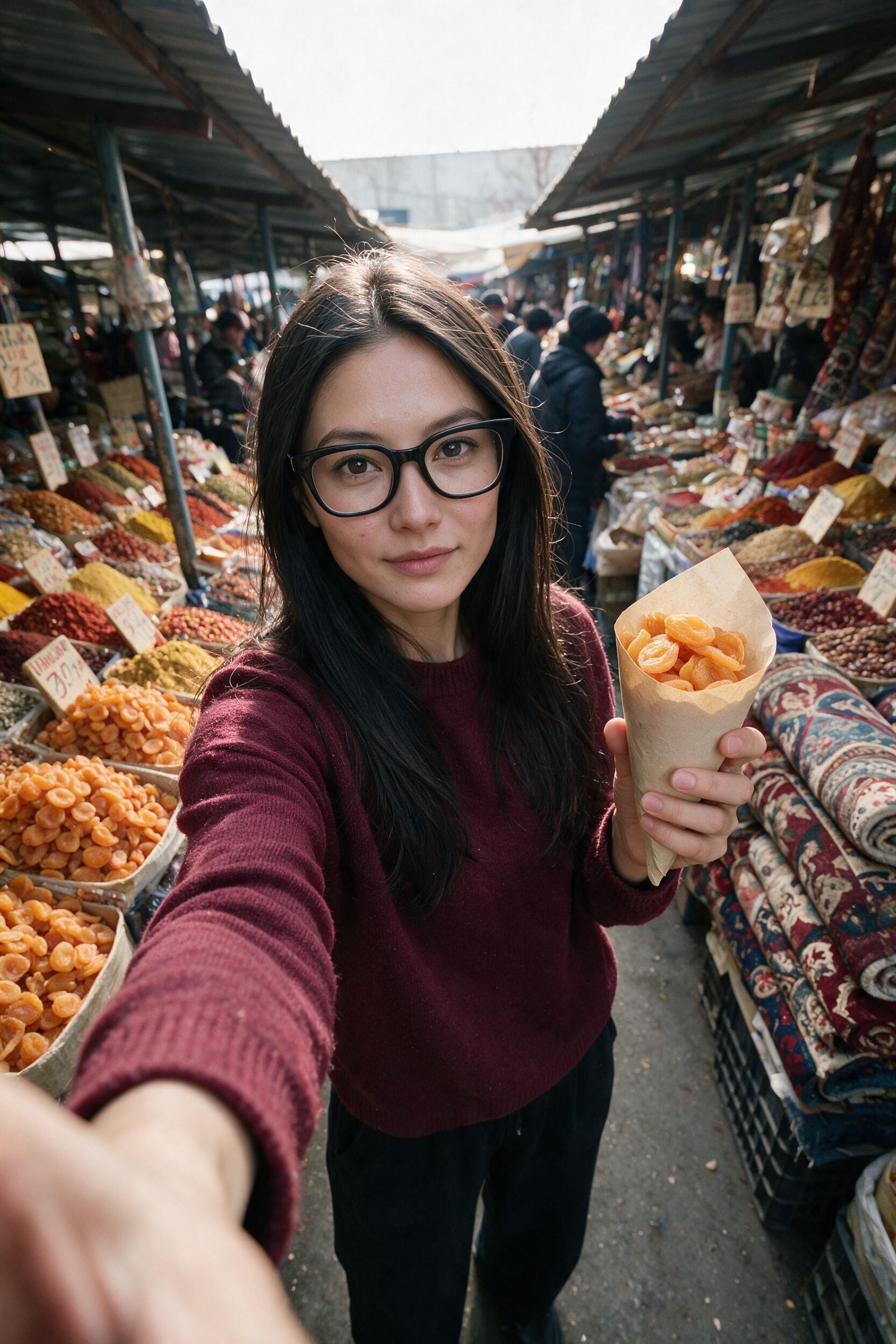 ←→
←→At Osh bazaar on Sundays the woman with the apricot stall sees me before I see her. She has already set aside a small pile when I reach her crates, the ones that are ripe without collapsing, and she names a price that is fair without performance. We have never exchanged names. She knows I buy for the week and that I prefer them slightly firm. I know she will scold me lightly if I try to take the oversoft ones out of pity. That is the whole contract, and it holds.
In my building there is a man on the floor below who only ever appears when the lift has broken again. We stand on the landing and agree that it is broken, that it was broken last month, that someone has called, that calling does not always help. He carries a folded newspaper. I carry my keys and a look of shared inconvenience. Once we rode the stairs in silence all the way up and parted with a nod that felt almost like etiquette from a stricter century.
Last week in a cafe near the university I nearly walked past a woman who once sat two rows over in a seminar I can no longer name. She said my face first, then a version of my surname that was close enough. We did the quick inventory: who still lives here, who left, who teaches now. The coffee went cold while we assembled a bridge from almost nothing. When we stood to go she said, “We should not wait so long,” and I agreed, and neither of us reached for a phone.
Aigerim and Dinara are the ones who would notice if I vanished for a week. Around them, though, is this wider net of minor recognition: faces that sort me into a category (regular, neighbor, former classmate) without requiring my biography. I used to think a city life should be either intimate or anonymous. It turns out there is a whole weather system in between, thin and real, and I move through it every week without writing it down.


One short email when a new book is out or a price changes. Nothing else, and no forwarding to anyone.